Tag: reading

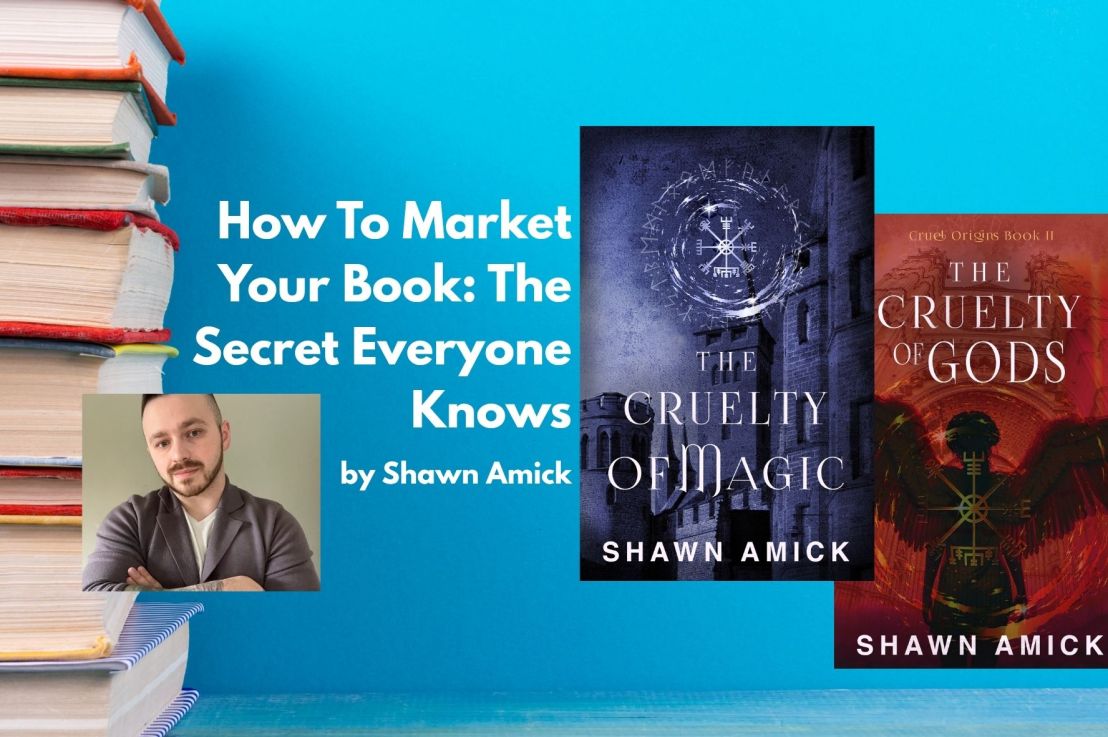
How To Market Your Book: The Secret Everyone Knows

How To Market Your Book: The Secret Everyone Knows

By Shawn Amick

This will probably not be your typical marketing advice, but I also haven’t had the typical career one might associate with being an author.

In short, here’s my message: inspiration is a fleeting emotion, but discipline is a reliable system. 

Writing and marketing both require discipline to be consistent. Inspiration is just how you get started. 

The first thing you need to do is define your value proposition; in other words, what are you giving the audience in exchange for them caring about what you have to say?

The Beginning

At the start, I knew I needed focus, so I picked three platforms: TikTok, Instagram, and Substack. These were primarily going to be the platforms I posted on every day to grow my community. 

How did it go? TikTok got all the focus, and I was horrible at everything else. There was a point where I abandoned every other platform for the sake of mastering TikTok, and I’d hardly say I’m an expert. 

I created a sign-up sheet and posted an announcement saying I would interview any author looking to grow their audience. It blew up. Hundreds of authors signed up within the first few weeks, and I instantly needed a team behind me to meet the demand. 

Those interviews continued for over a year, leading to the creation of a podcast and Discord server. Now, after some time, for my own mental health, I stepped away from this, but never stopped supporting other authors.

I just needed to find supportive vessels that took less time from my own family and work. So, I did spotlights and got people very excited for them. Once again, I didn’t gatekeep. Anyone could participate. 

I featured folks in newsletters, did partnerships with bookstores looking to carry indie books, and created sign-up sheets for everything I did to make a newsletter. All of this eventually led to constant introductions to professionals in the publishing industry. More importantly, it led to knowledge of the publishing industry, which I have always shared. 

My brand has always been transparent growth within the publishing industry. People follow me to learn so they can grow themselves. 

Did I ever claim to be the expert? No. I brought in the experts. I did interviews with Literary Agents and Publishers. I brought in editors with long tenures in the industry. More recently, I’ve opened discussions with distributors and warehousers to demystify the process of moving away from Print-on-Demand (POD) in favor of wholesale structures, though the latter is certainly a hard thing to accomplish due to financial barriers. 

Simply put, as I grow, so too does the audience of authors who follow me.

I share how to be successful as an author on the small scale—book signing events and how to schedule them—all the way to large-scale efforts like distribution, contracts, querying, gaining interest from literary agents, and tons more. 

My first day considering my brand, I knew one thing was true: authors read. Thus, I’ve tried to be of value to every author I know. Moreover, I made sure to be consistent. If you follow me across a multitude of accounts, you’ll see 5-10 pieces of content from me, daily.

I keep it close to the 80-20 rule: 80% of my content is about providing value to the audience, 20% is about my own product. 

What Happens When The Content Doesn’t Work?

If you pay attention to my content over a long period of time, you’ll notice one very important thing… it changes. 

My theme has always been the same—growing as an author. But how I’ve gone about that content has changed. I used to interview two authors a night, seven days a week. Now I have one huge BookTok festival planned for August with hundreds of authors looking to participate. 

I share more about publishing advice than I do about writing, but at one time I posted about the craft itself far more (this will be changing soon, new project in the works!) 

Your analytics are your friend, and your views scream a message. No views mean no interest. No engagement means no interest. If it’s not working, then try something new, and try often. 

My advice? Flood the market with content until something starts to work. Also, make sure you enjoy the content. When your brand is exhausting to maintain, then it will fail, trust me. There is a balance to be found between content you enjoy making and something the audience will resonate with.

It’s your job as a creative to find the compromise with your audience and to reliably deliver content. Every. Single. Day.

When Do You Stop Marketing The Book?

You don’t. Book two of my epic fantasy series releases on August 26th. I’m still talking about book one. I’ll still be posting and talking about book one when book three releases. And I’ll still talk about book one when my next project, an entirely different fantasy, is on query. And I’ll still be talking about book one of this current fantasy series when I get the next book deal, and still so when that book hits shelves. 

Did you know the Mistborn series by Brandon Sanderson didn’t hit a commercially recognized bestseller list until December 2024? That was all BookTok talking it up. The Final Empire was released in 2006. That means it took 18 years before one of Brandon Sanderson’s most well-known works hit a bestseller list, all because he never stopped talking about it, and BookTok heard him.
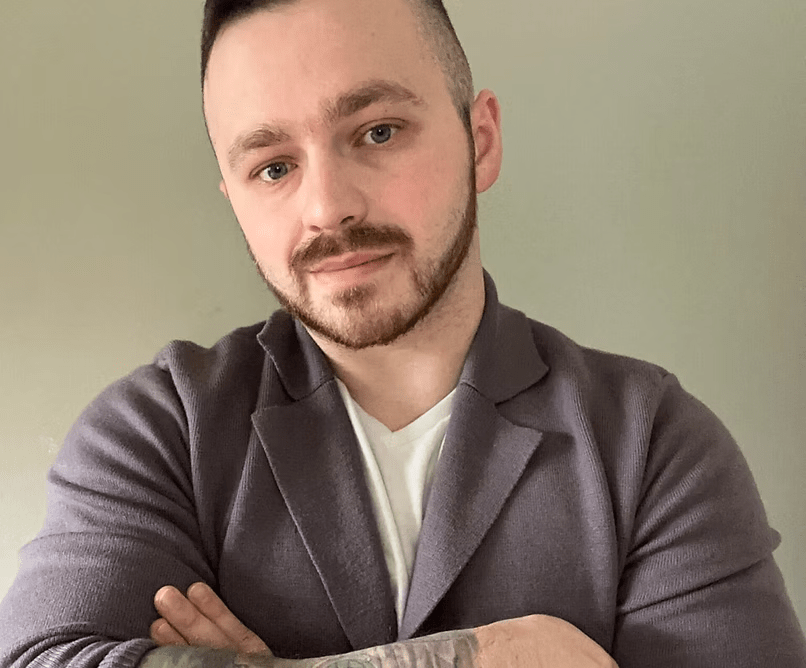
Shawn Amick is the author of the Cruel Origins series. The Cruelty of Magic, book one in the series, was initially self-published before being acquired by small, independent press—Conquest Publishing. Book two in the series—The Cruelty of Gods—is on pre-order for $0.99 and releases on August 26th. 


Check out his writing, projects, and more here! He’s launching a new Writer’s Group focused on growing your career as a professional writer soon.
Behind the Cover

Behind the Cover

By Emily Groff

Do you know the famous saying, “Don’t judge a book by its cover?” Of course you do. And while we tell ourselves we would never judge a book by its cover, deep down, we do. This is why creating the book cover is an extremely important part of the book publishing process.

When creating a book cover, you need to allow for creative freedom, with structure. The cover should capture the significance of the book. Providing too little direction to the designer will lead to confusion and possibly a cover that doesn’t align with the book’s purpose at all. On the same note, too many restrictions will stifle the creativity of the designer, and the cover will feel unnatural or forced. “The more creative direction you give your designer, the better” (Emotive Brand). Designers flourish when given clear brand guidelines and project goals, with room for creative freedom. Even with the same specs, every designer will create something unique, and that’s the beauty of creative work.

Most people think a book cover needs to have decoration, and that is what makes up the design of the books. The truth is that designing isn’t just about making things look pretty and having decoration; designers have way more work cut out for them. They have to think about a series of steps before creating the book cover:

  • Color theory and visual hierarchy
  • Psychology of imagery
  • Visual rhetoric
  • Typography legibility

Designers must be aware of typography legibility when designing a cover, meaning that they need to be aware of leading, tracking, and readability. Leading refers to the vertical spacing between lines of text, while tracking refers to the uniform spacing between characters within a word or block of text. Leading affects the readability of the text, while tracking impacts the visual balance and flows of words. Consumers pick up a book if the cover is readable and the text matches the aesthetic of the rest of the book. This is what our designers work so hard to accomplish.

Accessibility

Accessibility refers to the fonts and colors used on the cover. You may not think that these are important features of a book, but to some, it is extremely important. Visually impaired and neurodiverse users care and require fonts and colors on covers to match their needs. Fonts and colors are not important only for the attractiveness of the book, but for the consumers who are buying it.

Designers can only make those decisions if they are given input on content. Collaboration is key. Designers should be involved early in the process when back cover text and blurbs are being written. The designer fears too much text, and the reality is that no one reads a wall of words. It is important the designer be given text that is tight, clear, and purposeful, so that the design can support it.

Designers need to have control in the cover creating process. Their role in designing a cover is message alignment. They need to be sure that the cover they’ve created matches the purpose of the book. In order to do that, the purpose of the piece must be made clear. They also need control over brand consistency, including font, color, and logo usage. Each cover will be unique, but will share similar features to entice readers to experience something similar to what they’ve loved before. This all ties into their knowledge of the user experience and how people will interact with the piece.

While the general rule for businesses is three rounds of revisions, it is not the rule for book covers. For book covers, there will be as many revisions as needed until the author feels it. The cover is the author’s. The cover is what captures the essence of the book and makes the consumer want to pick it up off the shelf and hold it in their hands. The author needs to be sure that the cover matches their book. After all, that book is their baby. The designer will begin with three design concepts and then pull together the best elements for the final design. If the author approves, the cover is complete.

The process of creating a book cover can be a long and stressful process. Rude or overly controlling clients can derail the process. Having discovery calls to assess client vibes early is important to creating that healthy relationship and beautiful cover. To reduce stress in the long book cover design process, keep these things in mind:

  • Giving Feedback the right way
    • Be specific while remaining respectful. If something isn’t working, express that and say why.
    • Instead of saying you don’t like something, offer an alternative for something you don’t like asking, “Could we try this instead?”
  • Provide design briefs with clear goals and visual inspiration
  • Don’t micromanage once work begins- trust the process
    • If it’s finished, and still doesn’t feel like it’s a right fit, then it’s okay to turn down work.
  • Avoid spamming your designer with DIY Canva mockups mid-project. Let them use their creative genius on the information you’ve already provided!
  • Let creatives do what they’re good at- that’s why you hired them.

Using these helpful tips, you can be sure that there will be a healthy co-relationship between designer and author, and that the cover will not only be appealing, but will match the purpose and meaning of the book– a cover design success.

Reading Through the Seasons

Reading Through the Seasons

By Emily Groff

Do you love reading? Do you need help deciding what book to read off your long TBR list? Seasonal reading may be the right fit for you. What is more fun than reading books that fit with the season you are in? So slather on the sun block, put on your shades, and buckle in to plan your reading for the next year.

Why should you read seasonally?

Reading seasonally will add richness to your reading experience. It allows books to transport you into each new season. Feel more immersed in your reading by experiencing the reality of nature with the imagination of your books. As you look forward to each season change, you get to look forward to each new seasonal book.

Seasonal reading allows you to have variety in what you read, both in authors and in genre. Broaden your horizons and dive into each new world that the pool of literature gives. 

What books should you read?

Conquest and Wild Ink Publishing offer a variety of books that are perfect for each season.

For some, Fall is about pumpkin spice, chai, sweater weather, and the dropping of autumn leaves. For others, Fall is the magic, spells, mythical creatures, death, and mystery.

If you are looking for the magic and spells that is Fall these are your perfect picks:

Jinny Buffett’s father is dead. She is trying to start a new life: break from the loneliness that consumes her, but her mother is spiraling out of control and threatens her entire existence. It is her ancestors who arrive in a mist of magic, bringing the swamp and hope with them that come to save Jinny Buffett.

Callie Aigean drove thirty-six hours, carrying thirty-six extra pounds on her plus-size frame, staring down her 36th birthday- in less than thirty-six weeks. That’s the day she’s due to make her magical ascension into a full witch and take her place among the elite spellcasting community of Blue Crab Bay.

If you are looking for the death and mystery of Fall, read these books:

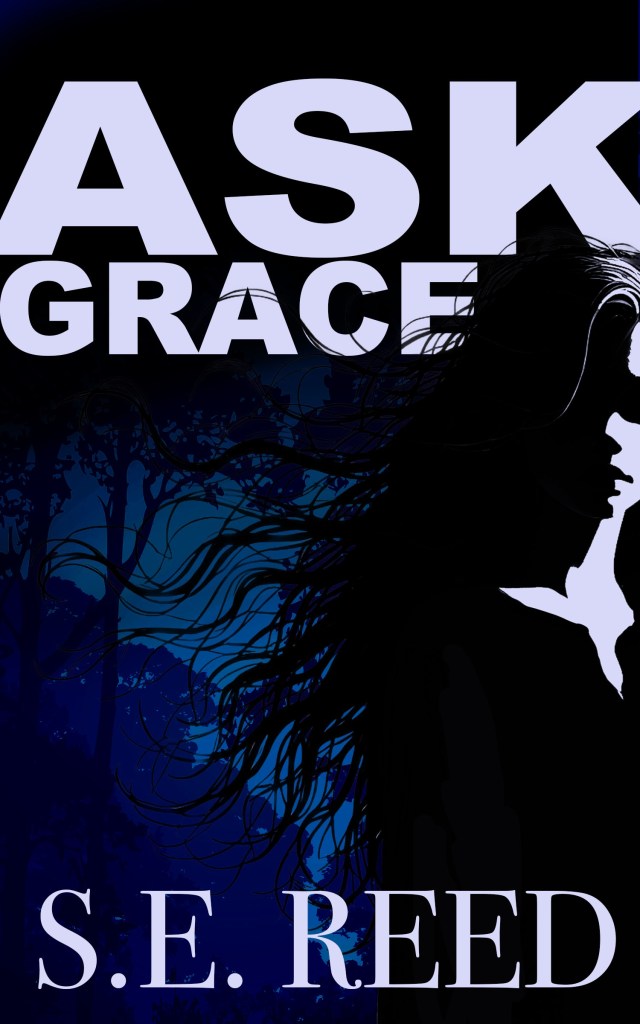
Grace Everly is not friends with her next door neighbor Gloria Sanchez. So when Gloria goes missing, and the only clue leads back to Grace, tensions run high! Seth, Grace’s boyfriend, goes missing, putting an even bigger target on her–and she starts experiencing stress-induced flashbacks of a kidnapping scene right out of some campy horror flick. Armed with new clues, Grace and her friends race against time to find Gloria and Seth, before the rotten-faced man from her memories turns Richmond Hill into a real life horror movie.

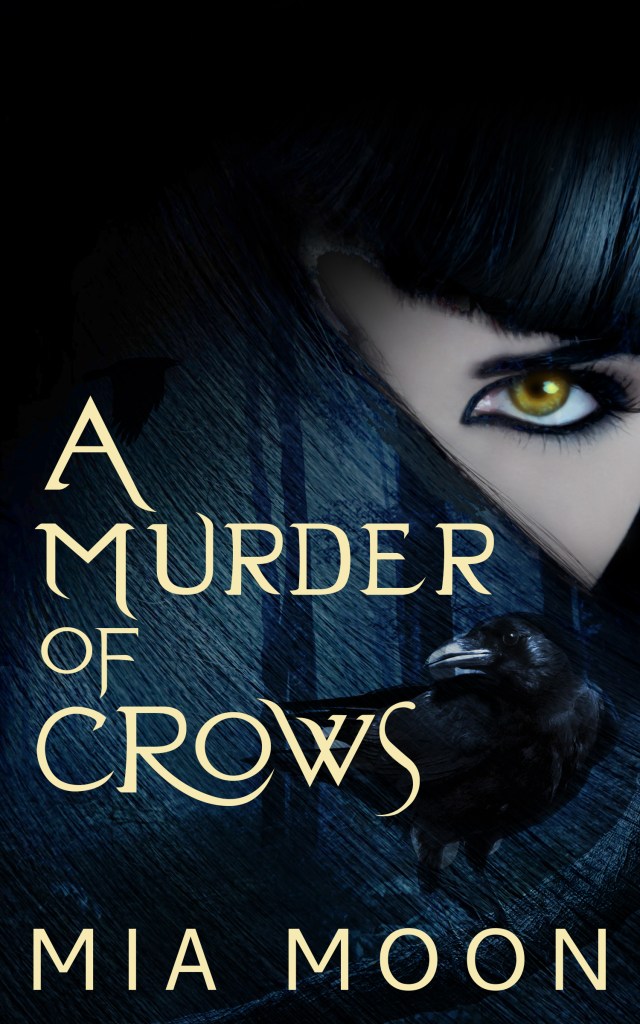
Ember Wildes comes from a family of witches. After the death of her mother, it was the right time to start a new life and learn more about the craft that her grandmother had taught her as a child. But a dark evil has befallen the town, leaving the bodies of murdered women on its shores.  After settling in town, Ember learns of these horrible murders and quickly finds herself at the center of the mystery.

If you want to read about mythical creatures, these are your perfect Fall picks:

Olivia Beckett has lived through thousands of lifetimes, dispatching miscreant supernatural creatures alongside her sisters as the mythological trio of Furies. Memories of her past lives begin to appear and haunt her, and she starts questioning everything she thought she knew about her life and her duty. In the midst of a brewing war between the factions of Creatures, Olivia goes against all the rules and falls in love with a human, only to realize he may be connected to her mysterious past. Can she have it all, or will she have to make the ultimate sacrifice in order to stop the war?

Caiden is a 200 year old vampire who has been dropped into a walled-off prison city for the world’s fantasy creatures. In his time there he will work with a courageous leader of rag tag elves, an ambitious warrior vampire, street-wise goblins, a hapless halfling, and finally a young and headstrong vampire girl called Alma.

After you’ve finished these fall reads, Winter will be just around the corner. Winter is full of snow, love, and holiday adventures. Here are our Winter picks:

After being roped into spending Christmas with her best friends and her alluring ex, Thando finds herself questioning her holiday spirit. For Jimmy Warner, Christmas means cold beers and comfort food, but reuniting with the captivating, yet prickly, Thando ignites memories of a fiery weekend they once shared. Pretty Unexpected is a Christmas romance novella weaved with drama, friendship, and wrapped in a touch of holiday magic.

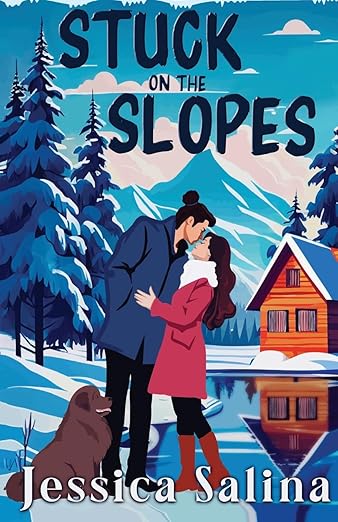
The cabin is heating up in this romantic comedy as a pro-athlete and corporate marketer dodge the tabloids and save a ski lodge. Professional athlete Juniper Hart was forced into retirement after a permanent injury. He acquired a failed Colorado ski lodge. Rachel Friedman looking for a raise begins working at the resort and begins to wonder if this was the right choice. Rachel needs to thaw Juniper’s icy heart so they can work together to save the lodge.

After the holidays, warmth seeps in and so begins Spring. Spring gives warmth of love and new beginnings. Any book can be read in Spring, but here is our choice of a Spring book:

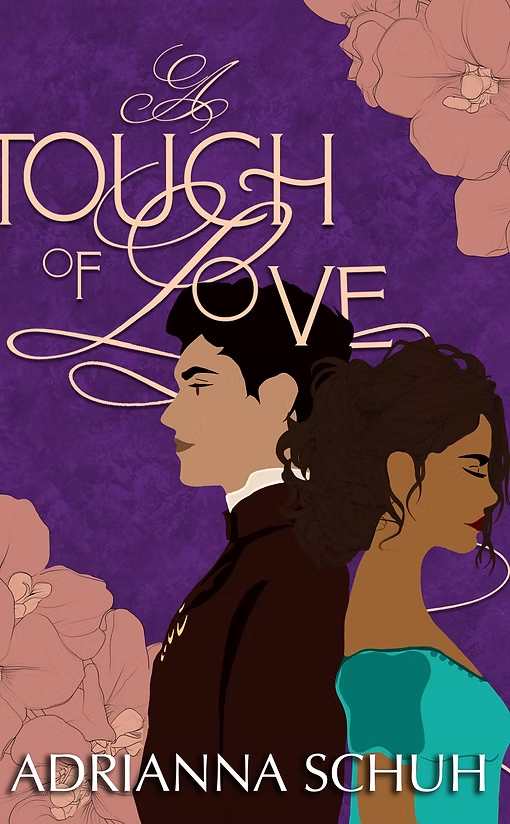
Set in 1890s New York, Elijah Jameson inherits a steel fortune, a fancy townhouse, and a free pass to enter New York City high society. While he doesn’t want this, he needs the position to give his sister the best life. Isabella Marin is a pushy and stubborn socialite who wants nothing more than to be far away from the social season. Instead of finding a suitable husband, she is locked in verbal sparring matches with Elijah Jameson, the boy she left in another life. No matter how much she likes Elijah, Isabella knows they can never be together. If he knew what she’d done, he would never look at her the same. Even though Elijah has fallen for Isabella, society will never see them as equals.

Adding a little more warmth into your life, here are our Summer picks:

Sixteen-year-old Ivey Des Jardins knows her summer is going to suck. Rather than working with her friends at a local Florida boutique, she’s been sent to Walloon Lake, Michigan, to work at her Aunt Lauren’s summer shop where she meets her handsome coworker, Rafe Torres,  and discovers a devastating family secret. Rafe has his own secrets that threaten his new romance with Ivey. With her Aunt Lauren grief-stricken, Ivey takes on the summer shop and sets out to solve her family’s mystery. But there are people who don’t want this mystery solved, and they’re on Ivey’s trail.

UnCensored Ink Interview – Riley Kilmore

UnCensored Ink Interview – Riley Kilmore

Hey everyone, 

Ian Tan here, lead editor and project coordinator of UnCensored Ink: A Banned Book Inspired Anthology, set to release this October 29. Here is the UnCensored Ink interview series to introduce you all to the incredible writers, as well as the local bookstores and libraries that gave them safe, creative spaces. Hopefully, you can put these incredible places on your to-visit list and feel inspired to support your own local bookstore, library, and indie authors.

Today, I’m with Riley Kilmore from Pennsylvania.

  1. You’ve written a fine piece for UnCensored Ink: A Banned Book-Inspired Anthology. Can you give us a synopsis? How did the idea for this piece come about?

An inquisitive farm boy in 1940s Appalachia encounters a peddler surreptitiously distributing banned books and is given a copy of John Steinbeck’s Grapes of Wrath.

Prior to writing The Tinker, I’d finished reading Ann Pancake’s Strange As This Weather Has Been, about an Appalachian family struggling in the shadow of exploitative mountain top mining. Pancake’s book was the 2023 One Voice One West Virgina Read, and she was the Appalachian Heritage Writer In Residence that same year. 

I was taking some Appalachian Studies classes at Shepherd University at the time, so I entered a (different) piece in the 2023 West Virginia Fiction Competition, which she judged, and I won. So her novel and body of work definitely inspired me. 

My winning piece, Mother, May I?—about a disillusioned Catholic caught in a Twilight-Zone-esque liminal space (a western Pennsylvanian convent-cum-Bread & Breakfast run by a handful of aging nuns)—appears in the 2024 Anthology of Appalachian Writers along with five of my photographs which were also selected for inclusion.

I originally wrote The Tinker as my entry piece for the 2024 West Virgina Fiction Competition, but didn’t place. However my sister, playwright DW Gregory (Radium Girls) did win this year! In fact, she also won the 2022 competition.

  1. Now, we would love to know you more! What do you enjoy doing in your free time, what is your favorite book quote, and how did you get into reading and writing?

Well, I used to run a lot in my spare time. That’s when I’d compose stories in my head that I’d later put to paper. Now, though, I mostly walk, but it’s still my “composition” time. 

As for a fav book quote, I have to wonder if any reader or author can honestly pick just one. I certainly can’t. So I’ll leave you with a quote from my 2024 debut middle grade adventure, Shay The Brave, which champions friendship, the courage to be your authentic self, and vegetarianism: “One is wise to hunger for friendship, but a fool to hunger for friends—no matter how good they may taste.”

That third part of your question begs a twist: how did reading and writing got into me?

I credit several things. One of them is a mother who made weekly trips to our local public library a part of our childhood. She also subscribed to numerous magazines—Time, Post, Life, National Geographic—and to the local papers, so that there was always current event news and information at our fingertips along with all the books containing fiction and poetry that were shelved right in our attic bedroom.

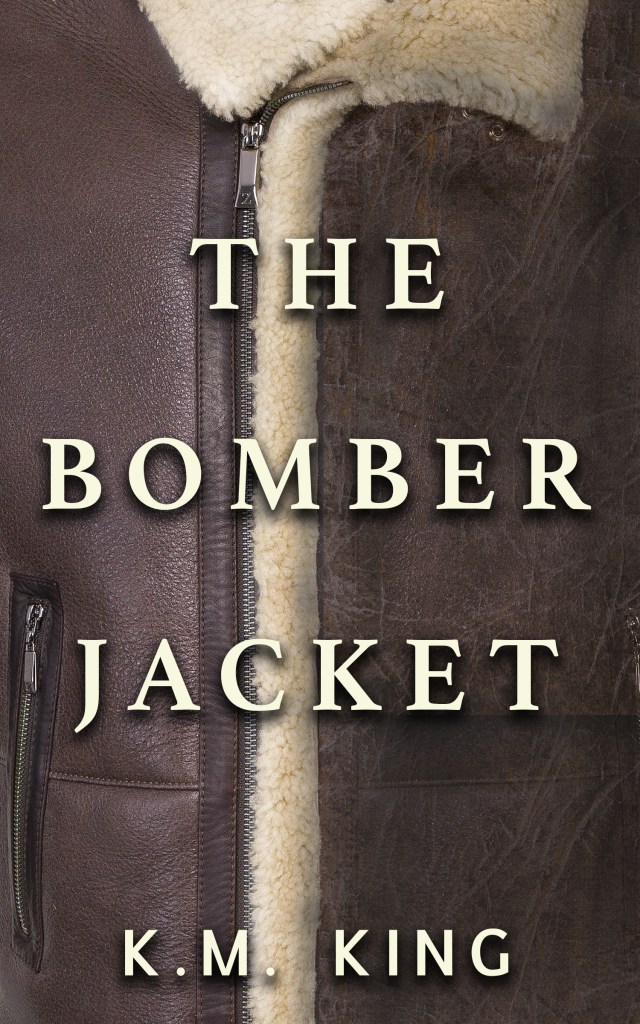
Another possibility is an inborn propensity for it—as in, “is there a writing gene?”—since I’m one of nine kids and the majority write, along with some in the next generation, as well. Not all are published, but I mentioned my award-winning playwright sister above, and our oldest sister’s debut novel just came out this year as well: The Bomber Jacket by K.M. King, also available from Wild Ink Publishing.

  1. Do you have a favorite local library or bookstore? Also can you remember bookstores and libraries from your childhood, if they are not the same as the ones now? 

I grew up in Lititz, PA, so my fav public library was, of course, the Lititz Public Library.

When I was born the library was set up in the old ballroom of the famous General Sutter Inn. From there it moved to an old house further down South Broad Street from our own place. That was my favorite location of the library because it was a house my parents almost bought, themselves, before deciding on the one I grew up in. So I loved imagining it being our family home when I’d go there and check out books each week.

The bedrooms—which weren’t accessible to the general public but which I and my sisters convinced the librarians to show us—had an ancient intercom system, which was really fascinating. After that we not only frequently imagined what it would have been like growing up there, but imagined calling back and forth to one another via those old intercoms. It certainly would have leveled-up Earl Hamner’s notion of simply shouting out “Good night, John-boy; Good night, Mary Ellen!”

The only “book store” in town back then—or what we called the bookstore—was Bell’s Bookstore on Main Street, only it was more of an early rendition of Staples marries a Hallmark Card shop. Lots of office supplies and cards, but not too much in the way of books. I loved to wander around in there when I was growing up, but Lititz today has a genuine book store and a great one, at that: Aaron’s Books.

It’s great for a host of reasons, but of course one of them is that they stock copies of Shay The Brave. Copies of Shay The Brave are also available at another Lancaster County indie book seller, which is the delightful Pocket Books Shop. 

  1. What do you have to say on the importance of sustaining bookstores and libraries?

Libraries launch imaginations. Towns without a library are like clipper ships without sails: sure, they can stay afloat, but their citizens aren’t apt to take in distant horizons, eh? And librarians? Well, they’re the captains who keep us on course—always sailing forward, never aft.

  1. Do you have any projects that your current and future readers can look forward to?

You bet! Check out my website, www.rileykilmore.com for updates, but here’s what’s in the offing: a companion workbook to Shay The Brave called Share With Shay, which uses prompts from the original adventure to encourage kids to do a little deep thinking of their own on important issues; a sequel to Shay The Brave called Alexy, Strong and Silent, which follows Shay’s sidekick from the first book into his own adventure of personal growth while simultaneously—just like Shay—redeeming others.

  1. Lastly, what platforms can we find you? (Social media and websites are all encouraged, this is to highlight and champion you guys)

Besides my author website listed above, readers friends can find me on facebook, on Instagram, on Twitter, and at my own Substack, where I write the (generally) weekly Monday Morning Literary Bric-a-Brac to which they can subscribe for free.

Map indicating Pennsylvania

Well, that was Riley Kilmore, everyone. It’s time to take a trip across the pond to the United Kingdom.

Riley Kilmore earned an MFA in Writing Popular Fiction from Seton Hill University in 2022. Her award-winning poetry and short fiction have appeared in numerous anthologies. Her debut novel, Shay the Brave, a middle-grade fantasy, is available from Wild Ink Publishing. A twenty-year veteran of the fire service, Kilmore has leaped from airplanes, sailed the world, been a cop, and braved the life of a homeschool mom. She resides on a sequestered mountainside farm in south central Pennsyltucky with one horse, one cat, a dancing goat, a beer-guzzling hound, and her husband of 36 years.

Purchase UnCensored Ink at Barnes & Noble
Purchase UnCensored Ink at Amazon

An Interview with K.M. King

An Interview with K.M. King

By Bruce Buchanan

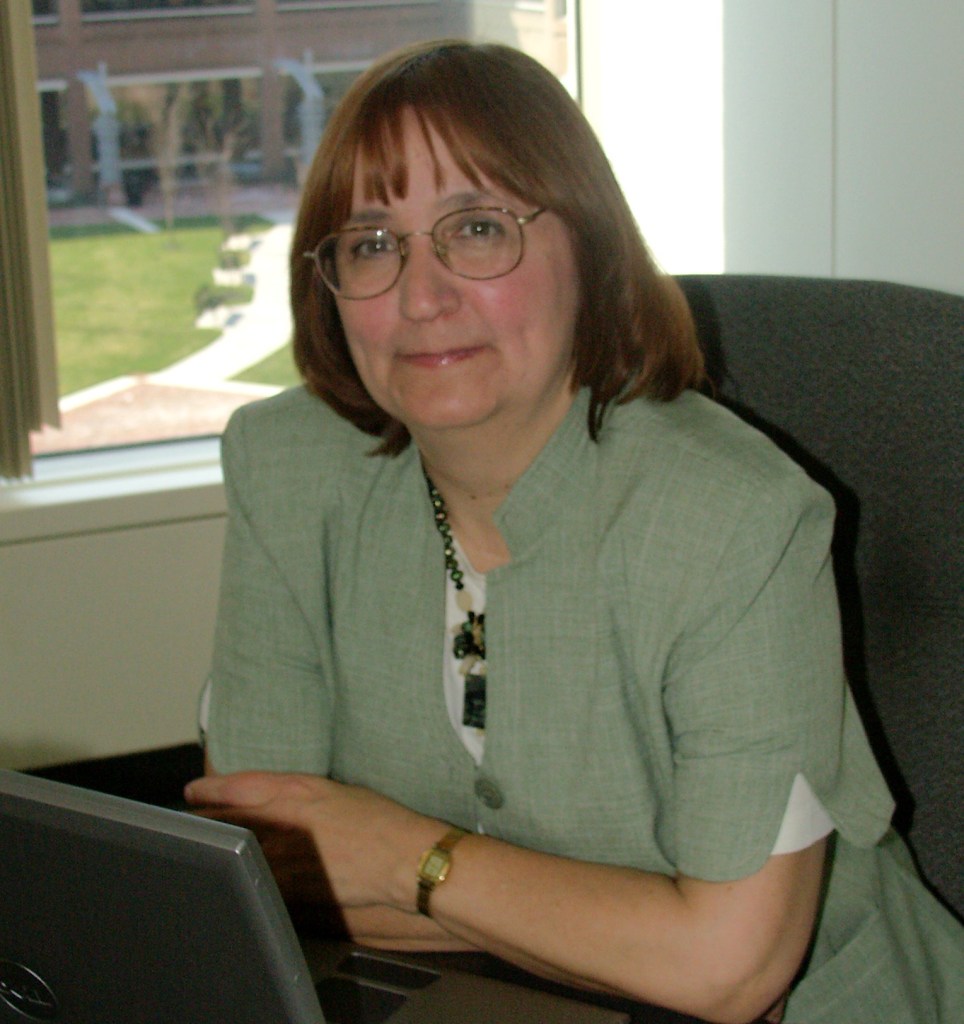
K.M. King has worn many hats—she’s been a journalist, a teacher, a business owner, a corporate trainer, a student of history, and a member of the U.S. Army.

She recently added one more line to her already impressive resume—Wild Ink author. Her novel The Bomber Jacket will be released on Aug. 20, 2024.

K.M. King has worn many hats—she’s been a journalist, a teacher, a business owner, a corporate trainer, a student of history, and a member of the U.S. Army.

When an American college student buys a World War II vintage bomber jacket, it sends here on a search to learn more about its original owner. Along the way, the veil between past and present becomes ever thinner.

You’ve said you fell in love with reading at a young age. Did that also extend to writing?

I always loved reading stories and creating stories in my head. The first writing I remember doing outside of schoolwork was in the little pink diary I got as a Christmas present in fourth grade. All through school, I was involved in writing for our school papers and was editor of our high school newspaper in my senior year. I loved all the writing assignments for English class. I had a hard time deciding whether to study English or history in college—history won.

As for writing fiction, that didn’t happen until I was in my mid-twenties. I was taking some business classes at a local college and signed up for a fiction writing class. I wrote a short story and got great feedback from my professor. The rest, as they say, is history.

It sounds like you’ve had some amazing career and life experiences. How have those experiences shaped your writing?

That’s a challenging question to answer. I think for me writing is so ingrained in who I am, I’m not always sure I can parse out what influenced my writing. Every job I’ve had involved writing, whether as a teacher, journalist, non-profit publication specialist, personal coach, or creator of staff development curriculum.

I’m essentially an introvert—like a lot of writers—and very self-reflective. I almost minored in philosophy in college. My journal, which I’ve kept from my early thirties, provides a space for me to ponder the inexplicable mysteries of life. I think I ponder those same mysteries in my fiction, through my characters, hoping they’ll give me the answers I haven’t found elsewhere.

How did the idea for The Bomber Jacket come to you?

I’ve always been fascinated by flying. Probably should have joined the Air Force instead of the Army! When I was stationed in Frankfurt, Germany, I used to go to the Frankfurt Airport and watch the planes come and go. Something about that planted the seed of a story about a pilot.

In 1997 and 2004, my husband and I took trips to Scotland, and among the places we visited was Drem Aerodrome, a former Royal Air Force base near Edinburgh. That seed, which lay dormant for more than two decades, sprouted into a Scottish bomber pilot from World War II. I began reading extensively about the RAF, and the characters crystallized during a trip to Scotland in 2011 with our oldest granddaughter, Zoe, who was 11 at the time.

I’m also interested in the idea that the veil between the past and present could be very thin. Spirits and ghosts have always fascinated me, and the possibility that spirits linger among us until they’ve completed whatever unfinished business holds them here helped shape the novel.

I am documenting the whole process of writing The Bomber Jacket on my website: www.kmkingauthor.com.

Were you interested in World War II history before you started this book?

Yes, definitely, both because I was a history major, and my father served in the Army in World War II. Like many of his generation, he never spoke about his experiences, except for a few succinct statements here and there when he was older. I’ve been reading World War II fiction and non-fiction for years and share my enthusiasm for history of all eras with my husband.

You’ve written other novels. What has been your biggest challenge in writing? And how did you ultimately overcome it?

I think my biggest challenge is I don’t just write in only one genre. I started writing novels in the early 1990s—a series of young adult fantasy books. Wild Ink is publishing the first of them, Jenna’s Journey: The Bronze Key in January 2025. I wrote The Bomber Jacket next; it’s World War II fiction.

I’m currently working on a three-book rom-com series with fantasy elements. I also have a mother-daughter generational story half-finished and the skeleton of an idea for a comic novel about a woman who gets obsessed with K-drama and K-pop. Nothing biographical there at all! 

I’ve yet to overcome this challenge.

My other challenge is imagining my books might attract the interest of a publisher, especially after 45 rejections in attempting to find an agent for The Bomber Jacket, let alone a publisher. I am astounded and incredibly gratified that Wild Ink has seen something worthwhile in my stories.

Getting published was always a dream, not a motivation for writing if that makes any sense at all.

What is your writing process like? And how has it evolved?

I have to say, my process is different for different kinds of books. But for every book, the motivation is the same: I have questions about life, about an experience I’ve had, about someone I’ve known, and I write to find the answers to those questions by giving them to my characters to grapple with. I don’t always like the answers they come up with; sometimes, I’m not even sure what question they are working out in their story. I often discover it when they do, sometimes at the end of the first draft.

With Jenna’s Journey, the story simply appeared, and I wrote it when it did. There were long periods of time when I didn’t work on it, except to edit what I had written. No wonder it took me ten years to write the four books.

With The Bomber Jacket, I did extensive research, character development and plotting, but still the characters sometimes did things I didn’t expect them to. Or the story took an unexpected twist or turn.

For all the books I write, I first tell myself the story. That’s the first, second and third draft. When I am satisfied that my characters have answered my questions, even if I don’t like their answer, then I’m ready to consider sending the story into the world and work with an editor or a writing group to hone it.

What tips would you give to new or aspiring writers?

I still feel like a new and aspiring writer, because every book is a new adventure and has its own unique challenges.

I’ve read and continue to read books on writing. I think some of the advice is awful. One famous writer, who shall remain unnamed, said unless you write every single day, you’re not a writer. Hogwash. Writing is unique to each writer– the process, the purpose, the story to be told. Discover what works for you.

I have learned that very often the first several chapters of a first draft are the backstory—what the writer is telling him/herself about the story. Finding where the story actually begins for the reader can take some work.

Also, work on your book for a while, have at least 75 pages or more written, and then join a writers’ group, but one with serious writers who give valuable and supportive feedback. Or find a developmental editor.

Anything else you want to mention, either about yourself or your novel?

I also teach journaling workshops and have written two workbooks which will soon be available on my website: Pen, Power & Possibilities: A Guided Journaling Experience to Expand the Horizons of Your Life and Time: Tyrant or Treasure: 11 Steps to Embracing Life in All Its Messiness.

Preorder K.M. King’s book, The Bomber Jacket, through Aaron’s Books here.

Interview by Bruce Buchanan

Bruce Buchanan is the communications writer for an international law firm and a former journalist. But he’s been a fan of fantasy and heroic fiction for most of his life. His influences range from the novels of Margaret Weis & Tracy Hickman and Terry Brooks to the Marvel Comics stories of Stan Lee, Jack Kirby, and Steve Ditko. Bruce has short stories appearing in the upcoming Wild Ink Publishing anthologies Tenpenny DreadfulsClio’s Curious Dash Through Time, and UnCensored Ink. He lives in Greensboro, N.C. with his wife, Amy Joyner Buchanan (a blogger and the author of five non-fiction books), and their 17-year-old son, Jackson.

Author Interview with Haddessah Anne Brice

Author Interview with Haddessah Anne Brice

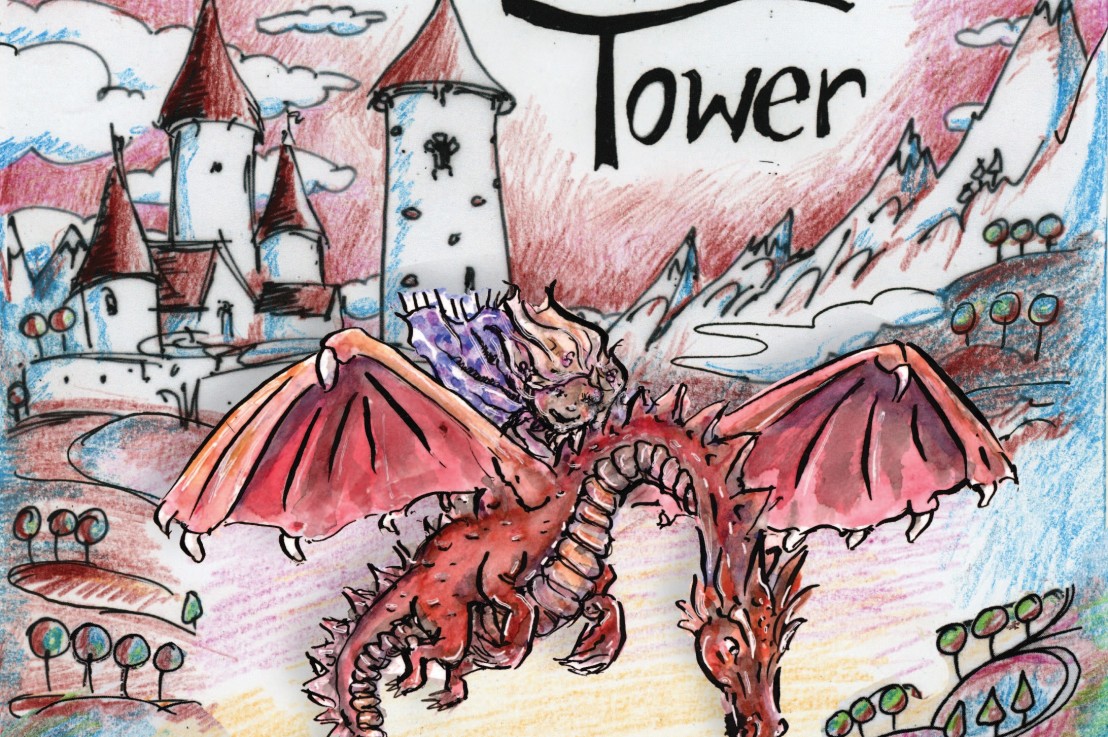
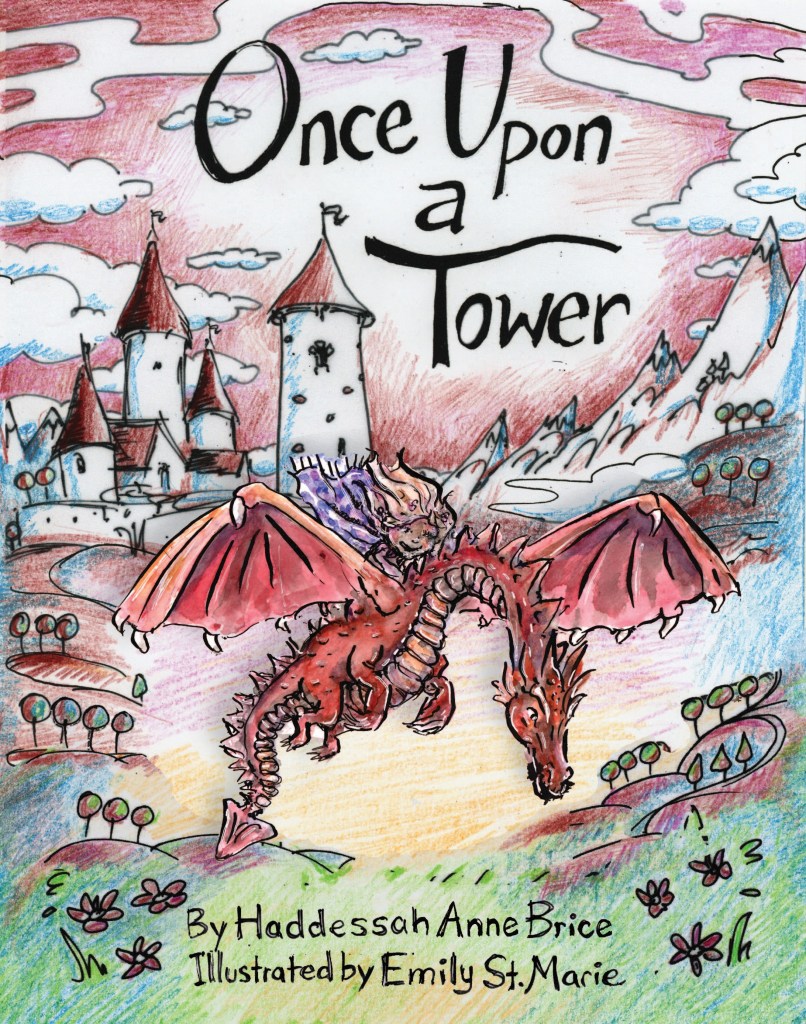
We are so excited to meet with one of our wonderful children’s author’s Haddessah Anne Brice, or as we like to call her, Haddie. Her children book, Once Upon A Tower, about a young princess under the thumb of her cruel parents, is available now for purchase! It was artfully illustrated by Emily St. Marie and captures the whimsy and magic of a powerful fairytale that will teach children to gather the strength residing within their young souls and tear down barriers holding them back from their true calling.

Once Upon a Tower With Haddessah Anne Brice Cover

Haddie, thank you for meeting with us today! Can you tell us a little about yourself.

Ummm… I don’t know where to start, and don’t like talking much about myself. But I’ll brag on my friends and Godkids for hours! LoL 

What type of material do you usually write? 

That depends. I dabble in a lot of things, but mostly I write kid’s books and poetry in various genres.

 What does your writing and revision process look like?

If the story isn’t working, I go back to the beginning and work my way through it until I figure out what the characters are trying to say that I missed. This typically happens every few chapters. So by the time I show it to Abby and Brittany, I have literally done everything I can with it and need another set or two of eyes to help me dig deeper into the story.

 What is the hardest part about writing, in your opinion?

Getting what’s in my head, onto the page. I have two sayings that I use equally as often. 1. I wish I could run a patch cord from my brain to the computer, so then all I’d have to do is edit. 2. I can’t edit what isn’t on the page. Type ANYTHING!

 What is your favorite thing about being a writer? 

I’ve been a story teller since I could talk and a writer since I learned to read and write. The written word and the images your particular set of word choices creates are my drug. I am addicted to stories.

 What advice do you have for new/debut authors? 

Read A LOT! Write fanfic and RP as practice for new techniques you want to try out. Don’t hold yourself to a higher standard than you would others. If you would be understanding of someone else’s gaff, be understanding toward yourself for the same gaff.

 Do you have any links or resources you’d like to share about writing or for your own materials? 

I tell anyone who’s interested in ANY kind of writing, that they need to read “Noble’s Book of Writing Blunders (and how to avoid them)” by William Noble.

I’ve read several books about writing but that one doesn’t read like a textbook and it changed my life (as far as my writing goes).

Do you have a favorite quote from a book?

“I could no sooner choose a favorite star in the heavens!” Danielle De Barbarac ~ Ever After

6 Tips on Being an Author

6 Tips on Being an Author

What exactly is “being” an author? Well, we are all authors, believe it or not. When we write emails, texts, and make grocery lists, we are all authoring words. But, to be an author of a story, now that’s something else entirely. Or is it? We’re going to stop you there and say no. Being an author, simply means you are putting words on the page to say something of meaning, something valuable to your intended audience. 

Every author gets into the business for different reasons. Most of us author types do it because we have characters swirling in our minds and want to put them on paper to share with others. Some of us do it because we love to teach and share ideas. And there’s a few who get into it for the money…

Pause for laughter. 

So, none of us get into this for the money. And if we did, we are in the WRONG profession. Sure, there are authors who pay the bills with their words. But they are few and far between. Writers are artists. As the saying goes, something about starving artists, am I right?

But seriously, it is important to take your craft seriously. 

So, check out S.E. Reed’s 6 Tips on Being an Author for the best ways to take your writing game to the next level. 

Write

Okay, yeah, that makes sense. But, seriously. Every day you have to write something. Anything! Just write! You could write a letter. You could write a song. A poem. A short story. Or the first (or last) chapter of a murder mystery! It doesn’t matter, just pick a word count and commit to it for one week. Then another and another. I promise. You’ll find your voice and your style if you just keep writing.

Personally, I write anywhere from 2-10k words every day. Sometimes it’s cringe worthy hot garbage. And sometimes it’s so freaking good it makes me laugh and cry and get goosebumps.

Just write.

Tell People You’re Writing

Yes. Do it. Don’t be scared! I promise, it’s thrilling. Plus, it’s very helpful to start learning how to summarize what you are working on. Look at the back cover of your favorite book. A nice and tidy little summary that gives you a quick visual. It hooks you. Learn to do that.

Plus, once you have fans who are vested they will want to know how your story ends! And no one wants to disappoint the fans.

Read a Book

This might sound counterproductive– to put down the pencil and pick up a book. But, the more you read and understand what kind of books you are drawn to the easier it will be to determine what kind of writer you want to be.

Do you love reading #YAbooks or #Fantasy or #Romance? Or are you into magazines, journals, non-fiction stories about animals? The best writers love the worlds they live in. So what do you love? Not sure, head to the library for some inspiration.

Plus, who doesn’t love the smell of books?

Don’t Compare Yourself to Others

Every writer is on a different journey. Yours is special. Unique. Just like your writing! Just because I can write 10k words in one session doesn’t mean a damn thing.

You have a story to tell. So tell it!

Learn to block out the noise. Not every debut author is debuting their first book. It might be their tenth try that finally landed the big deal.

Just keep writing.

Find your Purpose

So you have an idea. A theme. A vision. But, you still aren’t really sure where to begin. It can help by developing a high-level view of what you are writing.

For example– let’s say you want to write a fiction story geared towards middle grades readers. Start by writing the back cover. The soundbite. Tell the reader who your main character is, what (mis)adventures he/she/they will go on and a couple of surprises they might find along the way.

From there, you can write the basic outline, you know– the roadmap of your story and how it ends. (When in doubt use the who, what, where, why and when method).

Ask for help

Most people love to give advice. “Writers” are no different! There are all kinds of online communities with aspiring authors, writers, bloggers, journalists, script writers, etc. Find your people. That place you feel safe to ask whatever!

Then ask away! Ask how to transition scenes. Ask about the character arch. Gather up some Beta Readers and find out if they think your heroes are heroic enough. Are your villain’s too scary? Is your work YA or New Adult? Should it be longer, shorter, does chapter five need a punchier twist?

When you ask for help, it makes you a better writer.

And remember… YOU are already a writer.

Cheers!