Tag: novel writing

The Hidden Gems of the Publishing World: Why Indie Publishers Might Be Your Best Bet

The Hidden Gems of the Publishing World: Why Indie Publishers Might Be Your Best Bet

By Torina Kingsley

In the ever-evolving publishing industry, authors have more choices than ever before. One option that has gained significant traction recently is working with an indie publisher. Independent publishers, often smaller than their traditional counterparts, offer a range of benefits that can make them a great option for lots of authors. Whether you’re a first-time writer or a seasoned author looking for a more personalized experience, an indie publisher might be the perfect fit.

Here’s why indie publishers are great:

1. Niches Don’t Scare Them

One of the most significant advantages of working with an indie publisher is the level of creative control you retain over your work. Unlike traditional publishers, who may ask for changes to make a book more commercially viable in the wide marketplace, indie publishers aren’t afraid of niches. Books that might be overlooked by larger publishers due to their niche appeal often find a passionate audience when published by an indie publisher with expertise in that area.

Many authors who’ve partnered with indie publishers have praised the freedom to maintain the integrity of their story, especially when it comes to niche genres or unconventional narratives.

If your book caters to a specific niche or a less mainstream audience, an indie publisher might be better equipped to market your work effectively. Indie publishers often specialize in particular genres or market segments, allowing them to target and reach the right readers more effectively.

2. You’re Not Just a Number

Indie publishers typically work with a smaller number of authors, which means you’re more likely to receive personalized attention throughout the publishing process. From editorial feedback to marketing support, indie publishers often provide a more tailored experience.

Authors frequently cite the close working relationship with their indie publisher as a key factor in their book’s success.

3. Faster Turnaround Times

The traditional publishing route can be notoriously slow, with timelines stretching from months to even years before a book sees the light of day. Indie publishers, on the other hand, are often able to move more quickly, getting your book to market faster.

Many indie publishers operate with streamlined processes, allowing for quicker decision-making and fewer bureaucratic delays. This efficiency can be particularly beneficial if your book is time-sensitive or if you’re eager to start building your author brand.

4. More Author-Friendly Terms

Indie publishers often offer more flexible and author-friendly contracts compared to traditional publishing houses. This might include better royalty rates, shorter contract terms, and the ability to retain certain rights to your work, such as audio or foreign rights.

Indie Publisher vs. Vanity Press: How to Tell the Difference

Not all publishers are created equal, and it’s important to understand the difference between an indie publisher and a vanity press.

What is an Indie Publisher?

An indie publisher, short for independent publisher, is a small, often niche-focused publishing house that operates independently of the major publishing conglomerates. Indie publishers typically offer traditional publishing contracts, meaning they don’t charge authors to publish their work. Instead, they invest in the production, marketing, and distribution of the book, earning their profit from book sales.

  • Key Characteristics:
    • No Upfront Costs: Indie publishers do not charge authors to publish their books.
    • Editorial Support: They provide professional editing, cover design, and other services as part of the publishing process.
    • Revenue Sharing: Authors typically receive royalties from book sales, and the publisher covers the production costs.

What is a Vanity Press?

A vanity press, on the other hand, is a company that charges authors to publish their books. Unlike indie publishers, vanity presses often make their profit from the fees paid by authors, rather than from book sales. While vanity presses may offer similar services to indie publishers—such as editing, cover design, and marketing—these services come at a cost, often with no guarantee of quality or distribution.

  • Key Characteristics:
    • Upfront Fees: Vanity presses require authors to pay for the publishing process, often with significant costs involved.
    • Limited Distribution: Books published by vanity presses may not have the same reach or distribution as those published by traditional or indie publishers.
    • Quality Concerns: Since vanity presses make their money from authors rather than book sales, there may be less incentive to ensure the book’s success in the market.

How to Tell the Difference:

To distinguish between an indie publisher and a vanity press, pay attention to the submission process and the financial arrangements.

  • Submission Process: Indie publishers typically have a selective submission process and do not require any payment from the author. Vanity presses, however, often accept all manuscripts—provided the author is willing to pay.
  • Contract Terms: Review the contract carefully. Indie publishers offer traditional contracts with royalties paid from book sales. Vanity presses, on the other hand, will likely include fees for services like editing, design, or marketing.
  • Reputation and Reviews: Research the publisher’s reputation within the industry. Indie publishers often have a track record of producing quality books and supporting their authors. Vanity presses may have mixed or negative reviews, particularly regarding the value of the services provided.

Do You Need a Literary Agent to Work with an Indie Publisher?

One of the first questions many authors ask when considering publishing options is whether they need a literary agent to work with an indie publisher. The answer isn’t always straightforward and largely depends on the specific publisher and your own goals.

When a Literary Agent is Beneficial:

While it’s true that many indie publishers accept direct submissions from authors, there are still benefits to having a literary agent. An agent can help negotiate the best possible contract terms, ensuring you retain valuable rights and receive favorable royalties. Additionally, agents bring industry expertise and connections that can open doors to marketing and promotional opportunities you might not access on your own. If you’re new to publishing or unsure about the nuances of publishing contracts, having an agent can provide peace of mind and ensure you’re not missing any key opportunities.

When You Might Not Need an Agent:

Many indie publishers pride themselves on being accessible to authors without representation, offering straightforward contracts that don’t require extensive negotiation. If you’re confident in your ability to evaluate a contract or if you’re working with a smaller press that offers fair and transparent terms, you might choose to go it alone.

Having a literary agent has advantages, but it’s not always necessary when working with an indie publisher. Evaluate your own comfort level with contract negotiations and consider the specific publisher’s reputation and submission process before deciding whether to seek representation.

While there’s no one-size-fits-all answer to the question of how to publish, the benefits of working with an indie publisher are clear. From retaining creative control to enjoying personalized attention and flexible contracts, indie publishers offer a compelling alternative to the traditional publishing route. If you’re looking for a partner who values your vision and is committed to your success, an indie publisher might just be the perfect choice.

Torina Kingsley has always dreamed of becoming a published writer. By the time high school came around, her mind was swirling with tales ready to be told. She finds inspiration for her stories from viewing things from a different perspective, including THE KING’S DECREE, a spin on the well-known Russian folktale, The Princess Who Never Laughed.

Kingsley believes that a great story needs to be relatable and completely captivating, dropping the reader into a whole new world. When she isn’t writing thought-provoking and socially conscious young adult stories, Kingsley teaches music and loves working with her students. She lives with her husband, two kids, and two rescue dogs in the Chicago area where she enjoys reading and spending time with her family.

An Interview with K.M. King

An Interview with K.M. King

By Bruce Buchanan

K.M. King has worn many hats—she’s been a journalist, a teacher, a business owner, a corporate trainer, a student of history, and a member of the U.S. Army.

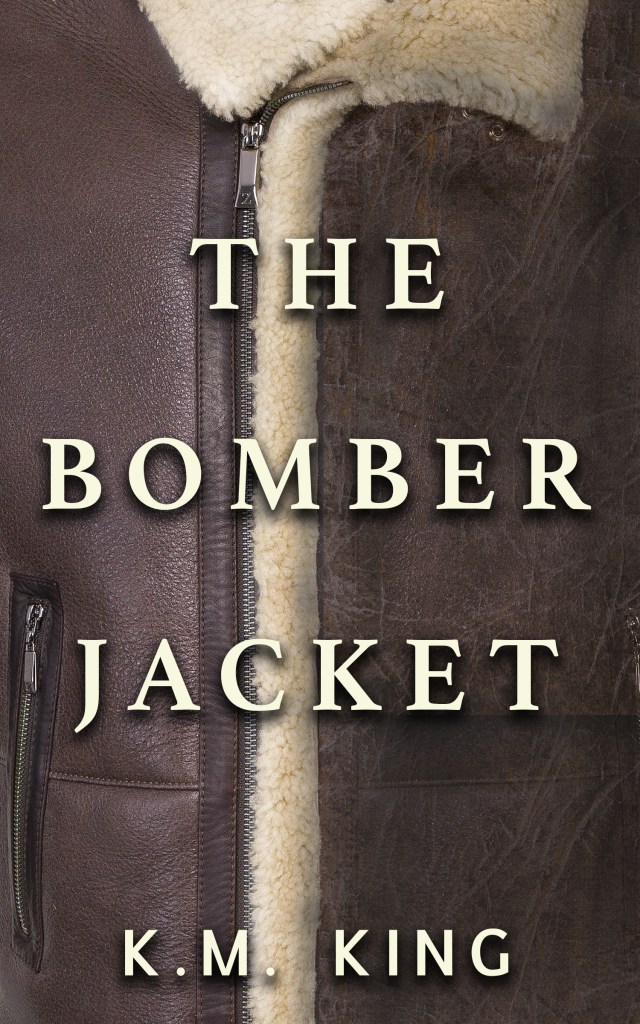
She recently added one more line to her already impressive resume—Wild Ink author. Her novel The Bomber Jacket will be released on Aug. 20, 2024.

K.M. King has worn many hats—she’s been a journalist, a teacher, a business owner, a corporate trainer, a student of history, and a member of the U.S. Army.

When an American college student buys a World War II vintage bomber jacket, it sends here on a search to learn more about its original owner. Along the way, the veil between past and present becomes ever thinner.

You’ve said you fell in love with reading at a young age. Did that also extend to writing?

I always loved reading stories and creating stories in my head. The first writing I remember doing outside of schoolwork was in the little pink diary I got as a Christmas present in fourth grade. All through school, I was involved in writing for our school papers and was editor of our high school newspaper in my senior year. I loved all the writing assignments for English class. I had a hard time deciding whether to study English or history in college—history won.

As for writing fiction, that didn’t happen until I was in my mid-twenties. I was taking some business classes at a local college and signed up for a fiction writing class. I wrote a short story and got great feedback from my professor. The rest, as they say, is history.

It sounds like you’ve had some amazing career and life experiences. How have those experiences shaped your writing?

That’s a challenging question to answer. I think for me writing is so ingrained in who I am, I’m not always sure I can parse out what influenced my writing. Every job I’ve had involved writing, whether as a teacher, journalist, non-profit publication specialist, personal coach, or creator of staff development curriculum.

I’m essentially an introvert—like a lot of writers—and very self-reflective. I almost minored in philosophy in college. My journal, which I’ve kept from my early thirties, provides a space for me to ponder the inexplicable mysteries of life. I think I ponder those same mysteries in my fiction, through my characters, hoping they’ll give me the answers I haven’t found elsewhere.

How did the idea for The Bomber Jacket come to you?

I’ve always been fascinated by flying. Probably should have joined the Air Force instead of the Army! When I was stationed in Frankfurt, Germany, I used to go to the Frankfurt Airport and watch the planes come and go. Something about that planted the seed of a story about a pilot.

In 1997 and 2004, my husband and I took trips to Scotland, and among the places we visited was Drem Aerodrome, a former Royal Air Force base near Edinburgh. That seed, which lay dormant for more than two decades, sprouted into a Scottish bomber pilot from World War II. I began reading extensively about the RAF, and the characters crystallized during a trip to Scotland in 2011 with our oldest granddaughter, Zoe, who was 11 at the time.

I’m also interested in the idea that the veil between the past and present could be very thin. Spirits and ghosts have always fascinated me, and the possibility that spirits linger among us until they’ve completed whatever unfinished business holds them here helped shape the novel.

I am documenting the whole process of writing The Bomber Jacket on my website: www.kmkingauthor.com.

Were you interested in World War II history before you started this book?

Yes, definitely, both because I was a history major, and my father served in the Army in World War II. Like many of his generation, he never spoke about his experiences, except for a few succinct statements here and there when he was older. I’ve been reading World War II fiction and non-fiction for years and share my enthusiasm for history of all eras with my husband.

You’ve written other novels. What has been your biggest challenge in writing? And how did you ultimately overcome it?

I think my biggest challenge is I don’t just write in only one genre. I started writing novels in the early 1990s—a series of young adult fantasy books. Wild Ink is publishing the first of them, Jenna’s Journey: The Bronze Key in January 2025. I wrote The Bomber Jacket next; it’s World War II fiction.

I’m currently working on a three-book rom-com series with fantasy elements. I also have a mother-daughter generational story half-finished and the skeleton of an idea for a comic novel about a woman who gets obsessed with K-drama and K-pop. Nothing biographical there at all! 

I’ve yet to overcome this challenge.

My other challenge is imagining my books might attract the interest of a publisher, especially after 45 rejections in attempting to find an agent for The Bomber Jacket, let alone a publisher. I am astounded and incredibly gratified that Wild Ink has seen something worthwhile in my stories.

Getting published was always a dream, not a motivation for writing if that makes any sense at all.

What is your writing process like? And how has it evolved?

I have to say, my process is different for different kinds of books. But for every book, the motivation is the same: I have questions about life, about an experience I’ve had, about someone I’ve known, and I write to find the answers to those questions by giving them to my characters to grapple with. I don’t always like the answers they come up with; sometimes, I’m not even sure what question they are working out in their story. I often discover it when they do, sometimes at the end of the first draft.

With Jenna’s Journey, the story simply appeared, and I wrote it when it did. There were long periods of time when I didn’t work on it, except to edit what I had written. No wonder it took me ten years to write the four books.

With The Bomber Jacket, I did extensive research, character development and plotting, but still the characters sometimes did things I didn’t expect them to. Or the story took an unexpected twist or turn.

For all the books I write, I first tell myself the story. That’s the first, second and third draft. When I am satisfied that my characters have answered my questions, even if I don’t like their answer, then I’m ready to consider sending the story into the world and work with an editor or a writing group to hone it.

What tips would you give to new or aspiring writers?

I still feel like a new and aspiring writer, because every book is a new adventure and has its own unique challenges.

I’ve read and continue to read books on writing. I think some of the advice is awful. One famous writer, who shall remain unnamed, said unless you write every single day, you’re not a writer. Hogwash. Writing is unique to each writer– the process, the purpose, the story to be told. Discover what works for you.

I have learned that very often the first several chapters of a first draft are the backstory—what the writer is telling him/herself about the story. Finding where the story actually begins for the reader can take some work.

Also, work on your book for a while, have at least 75 pages or more written, and then join a writers’ group, but one with serious writers who give valuable and supportive feedback. Or find a developmental editor.

Anything else you want to mention, either about yourself or your novel?

I also teach journaling workshops and have written two workbooks which will soon be available on my website: Pen, Power & Possibilities: A Guided Journaling Experience to Expand the Horizons of Your Life and Time: Tyrant or Treasure: 11 Steps to Embracing Life in All Its Messiness.

Preorder K.M. King’s book, The Bomber Jacket, through Aaron’s Books here.

Interview by Bruce Buchanan

Bruce Buchanan is the communications writer for an international law firm and a former journalist. But he’s been a fan of fantasy and heroic fiction for most of his life. His influences range from the novels of Margaret Weis & Tracy Hickman and Terry Brooks to the Marvel Comics stories of Stan Lee, Jack Kirby, and Steve Ditko. Bruce has short stories appearing in the upcoming Wild Ink Publishing anthologies Tenpenny DreadfulsClio’s Curious Dash Through Time, and UnCensored Ink. He lives in Greensboro, N.C. with his wife, Amy Joyner Buchanan (a blogger and the author of five non-fiction books), and their 17-year-old son, Jackson.

The Facts and Fantasy of ‘Bestselling’ Author

The Facts and Fantasy of ‘Bestselling’ Author

by Marla Miller

Los Angeles author Joe Ide, a frequent speaker at conferences and seminars, is delighted with the success he has enjoyed since selling his first novel, IQ at age fifty-eight, delighted and making no bones about this when he addressed a room filled with writers at a recent Southern California writers conference. Few writers reach the heights of bestselling. Part of the magic motivating us to remain seated at our writing place includes nurturing the fantasy that our stories will someday resonate, too.

The dream of becoming a bestselling author is perfectly fine to dream. After all, at our core, writers are dreamers. But is this why we write stories? For fame and fortune? The answer is no and if chasing fame/fortune provides the only motivation, this segment of writers eventually moves on to other ventures.

Craft vs Business

We write stories because we have to write them and why Joe Ide’s keynote so resonated with me. In his time at the podium, Ide delivered many terrific tips about creating characters from our everyday living, echoing what we know about our tribe: at our core, writers are nosy. I videoed what I could and had to hear more so I attended Ide’s Sunday morning workshop. He did not disappoint. Ide talked craft, the creative side of publishing, co-mingling solid craft ‘pointers’ with the business side of publishing, sales and making money. Again, he pulled no punches, straight talk from his own experience about what bestselling means in terms of dollars and cents.

Defining Publishing ‘Advance’

Joe Ide’s  latest novel, The Goodbye Coast: A Philip Marlowe Novel garnered a six-figure advance. Sweet, right? Absolutely, and Joe wasn’t complaining as he broke down what the six-figure sum meant to his bank account. Some writers, likely those new to our tribe, don’t know that getting an advance from a traditional publisher requires the author to earn back that sum in book sales before seeing any more money from the publisher. Since Ide’s novel centered on a famous person, Raymond Chandler’s ‘Phillip Marlow’ character, permission to use this name came with a price. Raymond Chandler’s estate had to be negotiated with before Ide could publish his novel.  I don’t know what the estate required but when I negotiated with the Women’s National Team to write All American Girls: The US Women’s National Soccer Team (with full access to the team) that sum was 50% of a very nice advance offered by my publisher, Simon & Schuster. Joe Ide pointed out other facts: his agent’s take of 15% as well as Uncle Sam’s portion. All of a sudden, that six figure advance has a bit of a different context in reality.

Why Writers Write

Even before traditional publishing took a pummeling from the arrival of the worldwide web, writers have nurtured fantasies about bestselling books, national book signings, film options, TV interviews and oodles of money. None of these fantastical imaginings are rooted in facts. I share this story often in my workshops, a story told by one of my writing mentors, the founder of the Santa Barbara Writers Conference, Barnaby Conrad, a multi-published, bestselling author in fiction and nonfiction. In the early 1990’s, as we gathered for the opening night SBWC ceremonies, Barney announced that this SBWC session had attracted the greatest number of conferees in its (then) 20-year history. He asked us to look around the packed auditorium brimming with 400 writers and so we did. Then he said, “…At the most, one to three writers sitting here will be offered contracts from New York publishing.”  The audience let out an audible gasp to which he replied, “We write stories because we have to write them.”
Wisdom shared from a man who had enjoyed a storied career himself, Barnaby Conrad.

So, write on. That’s what we writers do.

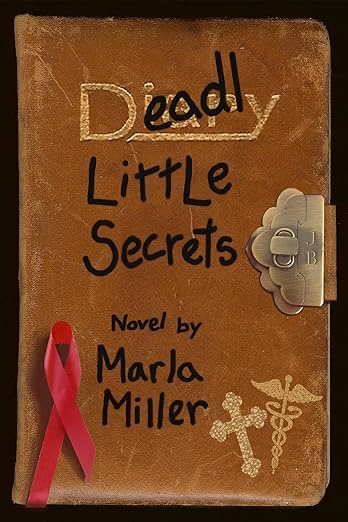
Marla Miller segued to the writing life in midlife. Her writing credits includes editor-in-chief of a lifestyle magazine and books published by traditional and independent publishers. Her e-novel, Deadly Little Secrets is available on KDP. Her novel, SweetSpot: Now and Then, whose setting includes a writers’ conference, will be published by an independent press in Fall 2024.  Since 2003, she has delivered workshops at The Santa Barbara Writers Conference and The Southern California Writers Conference.

Where to find Marla Miller:

https://linktr.ee/Writersmama

MarlaMiller.com 

TikTok Twitter & Instagram:@writersmama

Medium

Facebook: Hooking Readers

Substack: writersmamasubstack

Amazon Author Page: https://bit.ly/4avJTRX

An Interview with our Editor-in-Chief

An Interview with our Editor-in-Chief

Abigail here! Brittany McMunn and I talked daily. Truth be told, she’s probably tired of me at this point. But she humored me for this interview. I’m currently teaching a course on editing and coaching for the SNHU MFA program, and I knew she would have some amazing insights to share with my students. She did not disappoint.

Here’s the interview…

What brought you here?

Since my hair-brained idea at the start of 2021 to change my MHA a year into the program to something I was more passionate about, my MFA journey has been one of the best things I’ve ever done. It provided me with a creative outlet and gave me back a sense of identity I had lost after running up the corporate mountain, being a wife, and a mother for more than a decade prior. But most importantly, it gave me the structure to help others find their kernel of success, whatever that may look like for them.

I was recently asked to interview for MFA students at my alma mater and there was no way I was going to turn it down!

What made you decide to start editing?

I’ve always had a keen eye for the small details. However, editing is more than just picking out the errors & opportunity gaps in craft; it’s about bettering the other person. I love to teach and learn, and editing provides me with both of those things in droves.

How did your coursework with SNHU’s MFA program help you achieve your goals of editing?

The MFA program at SNHU gave me structure and intention. The things I was editing before SNHU were based more on the stylistic choices I had as a reader than on what was foundationally appropriate for the context and material. SNHU gave me the confidence to build a business on my knowledge and provided me with the framework to understand industry terms, inner workings, and methodology. 

Do you do freelance work or do you work for a publishing company? 

I started out as a freelance editor through an LLC I started while in grad school. I have since taken on a position with Wild Ink Publishing as a managing partner & editor-in-chief as well as launching my own publishing company, in collaboration with Wild Ink, in May of 2023. I still offer freelance work as pro bono editorial assessments one, because I just simply love it, and two, because I not only feel I have a lot of knowledge I have a passion to share but because I learn so much in return.

What skills are necessary to become an editor?

Editing requires both technical and personal skills in equal measure. As a role that puts you directly in the path of another’s persons creative vision, you not only have to be versed in the subject matter and know where to research topics if you are unsure but you also have to contain very healthy levels of empathy, compassion, and the ability to listen. Editors are very technical and analytical individuals, but don’t forget edges blur and not everything is going to fit into a predefined box the industry has created for it. 

What is most important to remember when working with authors?

Authors are artists, and just like any artist, their vision is their own. Regardless of whether an editor agrees with it or enjoys it, it is their job to ensure that vision is conveyed in the most accurate and clearest way possible. Take their soggy sand castle and build a metropolis of brick and mortar. 

Which type of editing do you prefer and why? 

For me, it depends on the genre. I am an emotional reader, so any genre that causes me to feel something at my core is my favorite to developmental edit. Those genres that I wouldn’t pick up and read for pleasure, such as literary or science fiction, are the ones I prefer to line edit. It is easier to separate myself from the content and focus on the technique of the writing if I’m not immersed in the story so deeply that I overlook the grammatical and syntax opportunities. 

You are an Editor-in-Chief; what does that mean? What do you do in that role?

It means everything that goes array is my fault. Okay, not literally, but a lot of it. As an EiC, I have final approval of all material content, formatting, and typesetting that leaves the safe haven of the publishing company before it enters the world for mass consumption. Editing is not a one (wo)man show as there is a whole team of freelance and staff editors who I must ensure remain on schedule with the publishing projects. Publishing timelines are set approximately 1 year in advance, so it is imperative that delays do not happen unless otherwise unavoidable so as to not cause a horrendous domino effect to the other dominos in layout, formatting, cover design, publicity, etc. I also set the timelines for editing based on genre and word count and provide the second set of eyes when or if an author does not agree with another editor’s critique. 

What should MFA students know about the publishing business?

The publishing industry is exceptionally saturated, more now than ever. Thank you, BookTok. This means standing out like the Mount Everest of Zits through continued and persistent efforts and a unique style/tone is what it’s going to take to be recognized. Agents and publishers are very particular about what they will accept because they want to ensure it sells successfully in accordance with market trends.

However, that being said, there are new agents and publishers coming onto the scene just as quickly as authors right now. There is a perfect fit for you and your story; just remain true to yourself and keep at it until you find your path. Whether that path is traditional Big 5 publishing with an agent, indie publishing with self-representation, or self-publishing; all of these avenues have shown to bring authors immense success. Do not let the lack of immediate success or overnight stardom deter you from writing and putting your creative vision into the world. You will find fulfillment in your efforts by the level of investment you put into it. 

Brittany McMunn

Author | Editor | Writer | Entrepreneur

Brittany has been an avid reader since before she could remember. The dusty bounds bought from local flea markets and thrillers lining her grandmother’s bookshelves were her place of peace as a child.

As an editor with a deep passion for helping writers achieve their dreams, Brittany saw the need novice writers had for someone to assist them in refining their works. This need is what drove Brittany to create an online writing community for MFA students aspiring for publication, as well as branching out into freelance editing through her LLC, The Paraphraser.

Brittany has an undergraduate degree in communication and has earned her Master of Fine Arts in Creative Writing, as well as being a member of the Sigma Tau Delta English honor society. Brittany enjoys genres such as paranormal, fantasy, contemporary, thriller, and young adult fiction all with heavy romantic elements.

Pride at Wild Ink and Conquest

Pride at Wild Ink and Conquest

By S.E. Reed

Celebrating Pride Month by sharing some of our favorite Wild Ink and Conquest books that feature LGBTQ+ characters.

Adorned in Ice by Kylie Wiggins

Fear was not for the weak but for the intelligent who knew they were up against an unpredictable foe.

Eliza Hawke, the ice-wielding Princess of Keruna, has been married off to Will, the earth-wielding Prince of Mineros. The cruel and unfeeling place that is Mineros cares about power over anything else. As Eliza’s days of forced betrothal go by, Will leaves his mark with bruises and veiled threats. Yet, through Eliza’s misery, she finds solace within thePrincess of Mineros, Nissa.

Nissa, is a beam of light even on Eliza’s darkest days. It is not until Will’s coronation is almost in his grasp, Eliza and Nissa hatch a daring plan of escape. If the Prince is allowed control over the largest army in Catalina, then all will surely be lost.

As the two fight desperately to unite the kingdoms in their war against the Prince, a tale of danger and betrayal unfolds every step of the way.

Fate’s Fury by Shaelynn Long

Pansexual Olivia Beckett has lived through thousands of lifetimes, dispatching miscreant supernatural creatures alongside her sisters as the mythological trio of Furies. Memories of her past lives begin to appear and haunt her, and she starts questioning everything she thought she knew about her life and her duty. In the midst of a brewing war between the factions of Creatures, Olivia goes against all the rules and falls in love with a human, only to realize he may be connected to her mysterious past. Can she have it all, or will she have to make the ultimate sacrifice in order to stop the war?

The Funeral Director’s Wife by Lindsay Schraad Keeling

Brooklyn Blatrix takes on a new job at the local funeral home after being dumped and fired in the same week. She strikes up a relationship with her supervisor, Brantley McAffey, in a hopeful attempt to make her ex-boyfriend jealous. However, Brantley has a secret he’s been keeping from everyone – a secret he’s willing to kill for. Brooklyn is about to find herself in the trenches of a trial by media before the year is over.

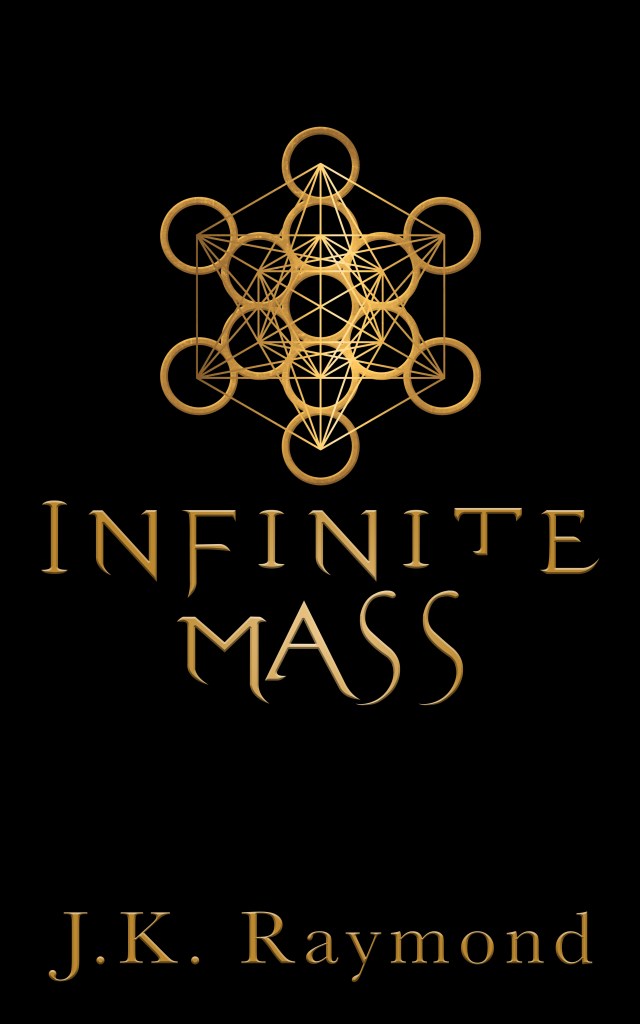
Infinite Mass by J.K. Raymond

“Hi there kittens, It’s Karma. I just helped Morna save the Omniverse from yet another impending apocalypse. It wasn’t my first, but funny thing about this turn on the merry go round, it was in fact my last! I’ve been at this game a long while. I’m not a stranger to these lands, I’d go so far as to say most of you lovelies know me. But do you? Karma is neither male nor female, she is whatever he wants to be, whenever they choose to be…get it? Got it? Good! But I’ve retired and now I’m just plain old Jane the bisexual human. A human that gets ravaged every night by their transgender boyfriend Loki.  Don’t get your runes in a twist. How did you expect a shapeshifter to identify? I bet you never even thought about it did you…just a trickster was all, right? Anyhoo, since it’s technically my first Pride Month as a queer human, I thought I’d wish you darlings a happy Pride! And let you in on a little secret…Karma’s always been on your side.”

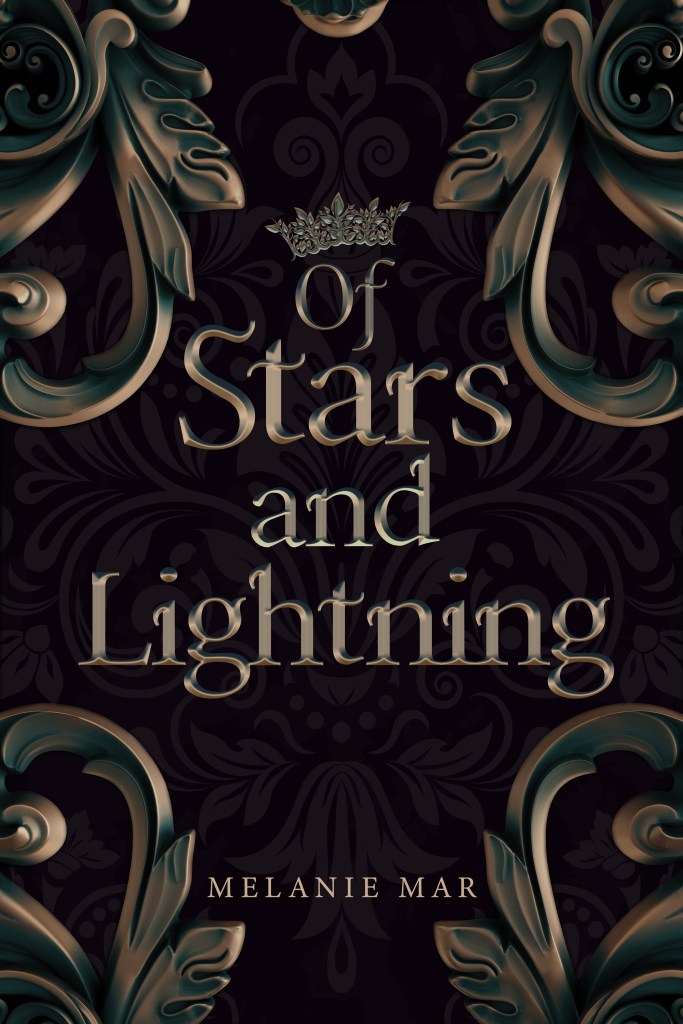
Of Stars and Lightning by Melanie Mar

Sol Yarrow didn’t ask for much. A nice day for hunting. A peaceful shift at her gods-awful job. A steaming bowl of her aunt’s famous stew. Easy. Simple.


After twenty-five years of simplicity, everything she thought to be true is rewritten when four strangers come to Yavenharrow and take her back to the kingdom of Rimemere, a shielded land inhabited by ruthless Elemental Magic Wielders. A land only known through rumors and bedtime stories.


A kingdom where her mother was Queen. A kingdom, by order of succession, now belonged to her. What would a human with no magic and a short temper have to offer the Wielders? Sol didn’t think much.


Her Court thought otherwise.

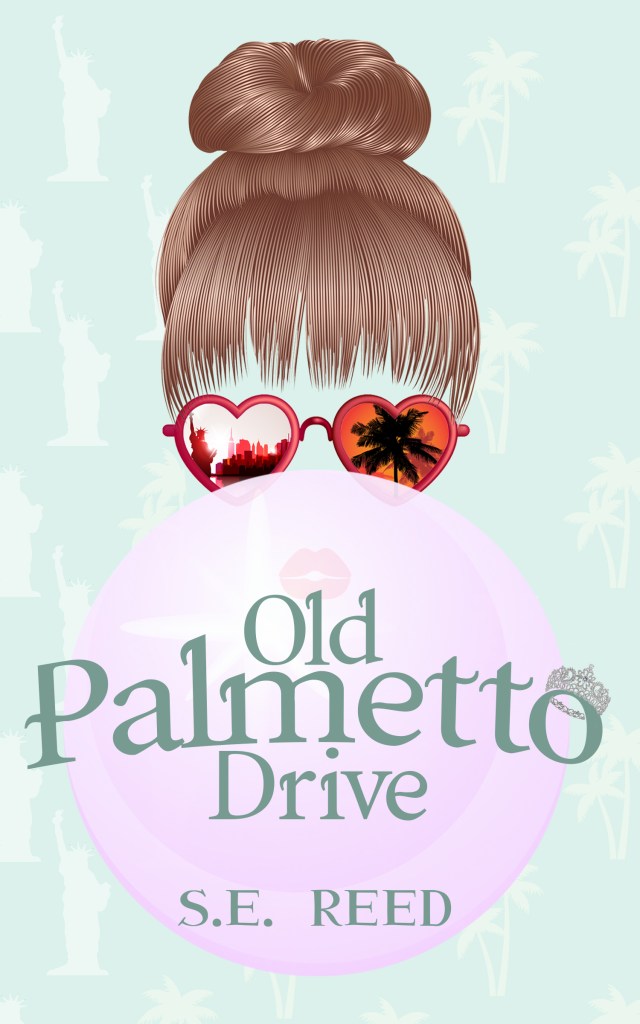
Old Palmetto Drive by S.E. Reed

LGBTQ+ teen socialite Rian Callusa’s privileged NY life is over! Following her parent’s nasty divorce, and the death of her aunt & uncle, Rian’s mom drags her kicking and screaming all the way to Everglades City. Who cares if her new home is a mansion when it’s in the middle of nowhere without a nail salon or shopping mall in sight? And friends? Hell might as well freeze over before Rian would hang out with her hillbilly cousins.

The news that her Dad won’t be returning to New York after his job abroad crushes any hope Rian had of moving back to the Big Apple. So without a plan B, Rian explores the swamp and learns her cousins aren’t as backward as they first appeared. She even falls head over heels for a cute vintage-loving local girl named Justine. Now that she thinks about it, this might turn out to be the best summer of Rian’s life! Until her cousin Travis gets drunk at a party and confesses the dark truth about what really happened on Old Palmetto Drive, sending Rian into a tailspin of fear and self-doubt.

The Physician by Magdalene Dietchka

Jake Perlman’s fate changed forever as a child when a dam broke on the way to school, washing his bus over a bridge. Before the Angel of Death could claim him, a Shepherd named Omiel stole Jake from his fate. Now as a Stolen in his adulthood, Jake uses his powers under Omiel’s guidance to assemble his coterie, a group of Stolen with abilities like his.

Yael Taube learned in her youth she would become a Companion, the soulmate to a Stolen. After an unfortunate event finds Yael in the presence of her Stolen, Jake, things take motion.

Jake and Yael learn of their fates and see hope for their future. However, pulling the coterie together is anything but easy. Between their shared trauma, doubt in their fate, and evil beings called Sirens trying to harm them, the coterie’s future is anything but certain. Despite the Shepherds’ direction, there are dangers ahead. If the Stolen and their Companions come together too soon, it could lead to their undoing, but the world and the coterie are counting on their success.

Total Solar Eclipse of the Heart: Flash Fiction and Poetry

Total Solar Eclipse of the Heart: Flash Fiction and Poetry

Those That Thunder Takes 

Stan Nesbit

Beneath its wing I trembled, the beat of my heart a cacophony in my ears. she held me so close, the warmth and grit of its scaly feet clutched around my arms. Her head hung, with an eye turned up towards the heaven in wait. Hours ago she found me, plucked me from my home. 

“Where could he be?” my wife’s voice sang in my mind with visions of her stumbling through the grass and wildflowers in bloom. Far above that bird, I stole fleeting glimpses of the sun that dimmed. A vast cosmic mouth, hungrily gulping it down like a plump field rat in the jaws of a snake. As it greedily snatched the sun away, I could hear the faintest of rumbles growing in the gullet of that massive bird. Building eagerly as we watched the sun slip away. 

And as night took day, that rumbling turned to a thunderous caw of expectant bliss, deafening all else. All at once, the beat of my heart faded, and so too did the sing-song voice of my wife as the chill set in. It was so cold, a chill that seeped from the deep ache in my chest as my thoughts slipped away, and that horrible cawing fell silent, my body jerked and twitched with each elated nip of that thunderbird’s jaws into me. As sleep took me, I glimpsed upon the sun with slitted eyes, its beauty breaking night once more as I fell into oblivion.


The Vampire & The Hunter 

Jessica Salina

She’d forgotten what the sun felt like.

The moon was safe. Even when danger roamed under the cover of shadows where the moon’s light did not reach, she bared her fangs. The moon did not burn against the deathlike pallor of her skin. The moon did not illuminate her secrets, allowing her to drink blood in peace.

But when the shy man with golden hair and a smile that brightened up a room found her one night, he did not stake her heart. Instead, he offered a blood bag.

As she drank, they sat beneath the moon’s glow. He spoke like birds sang. Sun-kissed, his skin was warm to the touch in a way she hadn’t felt in centuries.

With time, she hoped he’d offer her his neck. She dreamed of how warm his blood must be, with all his time in the sun. Its rays seemed to emit from him every time he smiled or laughed. It reminded her of when she was human, when she could emerge during the daylight without risk of burning alive.

She’d gotten so used to his warmth that when he lured her away from the shadows and into the day, she almost didn’t realize how the blue sky—so much brighter than she remembered—swallowed her whole. As her vision flashed to white, she almost didn’t realize how the sun that gave him life devoured her own.

She’d forgotten what the sun felt like until he came along. And then, she felt nothing at all.


Made of Fire and Cheese

Melanie Mar

I used to look at the sky and wonder out loud,

what was beyond the dreamy, blue nothing and its cotton clouds.

The moon was of cheese, and the sun was of embers,

both engraved in a feeling I long to remember.

The stars twinkled their red and blasted their blue,

forever feeding the minds in forms of a muse.

The night and the day would talk in their codes,

but always made sure to light the same North.

It’s funny how now that North is hidden in haze,

and the stars are nothing but lingering planes.

The sun blazes and blinds, leaves fire in its wake,

but it seems like it’s almost begging for the pain.

The moonlight became for lovers and secrets,

likely the one thing that will never breach them.

The bare sky is now jarring, but clouds threaten rain,

and everyone knows we can’t welcome those stains.

Lately I wonder if both can be true.

Can the stars wink their greeting while I cry at the moon?

And so what if the sun begs things to flee,

surely sometimes we can smile up with glee.

The blue skies may never reveal what they truly hold,

but maybe that mystery is what makes chaos gold.


Non-Fiction

Ollie Shane

There have been eclipses since the beginning of Earth’s ellipsis. I remembered this as I walked out the front yard to see my first one. The southern california weather was normal: blue sky, shaded palm trees, a light breeze. I was here to see the “ish” in normalish–the black blip of the sun and moon together. I remember being told not to look directly at it: the internet would have a field day with our president doing the same. In this moment, I  thought of Orpheus and Eurydice: Hadestown was a year away, so I remembered D’Audelaire’s telling. He couldn’t obey because of what catastrophes it took to get him here. He could not imagine more to come. But now he was in the stars: if he could try, could he see me, with some wonder and dread, seeing the unnatural portends I could in a box that used to hold my possessions and would again?


The Full Moon

Avery Timmons

The yard was bathed in moonlight.

He liked nights like these, when everything was still and the full moon perched high in

the sky. He would lift his face to the star-speckled sky, just taking in these rare moments of quiet. He had never believed in moon rituals or anything supernatural; his wife always warned him how the full moon brought out strange creatures, but he brushed her off. He had been doing this every month for a long while, and he had never run into werewolves or other beings she

adamantly believed in. He never felt anything but recharged after standing under the full moon; it was his safe place.

But tonight, he heard a growl.

His eyes snapped open. He looked at the tree line at the yard’s edge, staying still as

something shiny caught his eye, like two small moons. A coyote, maybe—they didn’t get

anything bigger than coyotes around these parts, and while he didn’t want to have a run-in with a coyote, he knew he wouldn’t be meeting anything worse.

Right?

Another glimmer caught his eye, and his breath caught in his throat. He took a step back, only for his foot to catch on a branch. He collided with the ground, but he barely noticed the pain jolting through his tailbone—not when the moonlight caught a gleaming mouthful of sharp teeth.

His fear turned into his wife’s voice in his head as the creature crept closer:

Watch out for the werewolves.


Solar Eclipse

Brianne Córdova

A hush falls over the crowd, and newfound darkness cools my skin. 

Tiny fingers squeeze my hand. “Mommy, the sun! It’s hiding.” 

“Make sure you’re wearing your glasses, or else you’ll end up like me,” I tease. 

“I am.” Her small voice pitches in awe. “I wish you could see it, too.” 

I smile at her and see galaxies. Her happiness, a supernova, her heart, the sun. In her hands she holds my soul like a black hole, inescapable and infinite in its love. Her laugh is starlight sprinkled in the black, her innocence a comet streaking past. 

Fleeting. 

And I am suspended in time, a moment of zero gravity before the weight of reality pulls me into its atmosphere and stings the back of my eyes. 

These memories are my eclipse, the halo of light breaking through the blackness. Rare. Beautiful. Brief. The smooth contours of the engraving they leave on my heart will be the only witness of their existence, saying, I was there. I held my universe in my palm while she gasped in admiration

If only she realized the cosmic wonder she beheld was a shadow of the multitudes within her. 

“Don’t worry,” amidst the darkness, I squeeze her hand in return, “I’m not missing a thing.”


Shadow Life

Rebecca Minelg

He slaps the eclipse glasses back on his face and runs outside again. Crescent shadows pepper the back porch as he gazes up, rapt, fingers already shaping the scythe in the sky. He rushes back to the kitchen table, filling another box in his progression study.

Were there eclipses when I was a child? Why don’t I remember them? The 3 R’s were more important, apparently. I slide another pair of glasses onto my own face. Maybe we spend our lives trying to give our children the things we never had, but that doesn’t mean we have to live vicariously. We could just live.

I study the sky and the shadows at my feet, as fascinated by science as he is in this moment. I shiver as the last wisps of sunlight fade, the birdsong abruptly silenced. A strange wind sweeps across my skin. “Come here, buddy!” I shout as the corona flares. “This is so cool!”

He grins at me, then looks skyward. “Yeah, it is!”

We stand together until our shadows reappear, growing across the porch and anchoring our feet back to the earth.


A Night Under the Stars (in Aunt Laura’s Truck)

Bruce Buchanan

“That’s the Big Dipper—see? Those stars make the handle, and those are the cup.”

Aunt Laura aimed a wrinkled but deceptively strong hand up to the dark, clear sky. “Okay…I think I see it,” I said. It was a fib. I thought the clear, dark sky just looked like a million pinpricks on a giant Lite Brite. I couldn’t make any order or pattern out of it.

But that was okay; I wanted to hear what Aunt Laura would say next. 

I’d finished first grade a few weeks earlier, and my parents were stuck working late—an occupational hazard for nurse anesthetists. So I spent this Carolina summer night in the bed of my Aunt Laura’s white pick-up truck, looking at stars and listening to her stories under the sweetgum tree.

And did she have stories! From thrilling historical adventures to personal accounts of Great Depression hardships to spooky-but-not-too-frightening ghost stories, Aunt Laura kept me entertained with nothing more than a flashlight and her imagination. She told me her sons, who grew up and moved away years earlier, once found Revolutionary War relics in the sprawling soybean field beside her house. And then she held up the Mason jar containing musket balls, metal buttons, and tattered canvas.

I snacked on my bowl of dry Froot Loops and soaked up every tale. Then the headlights of my parents’ Chevy Malibu obscured the stars. I knew Mom and Dad were exhausted, but I wish I could’ve stayed for one more story.


Mother

Greg Jones

Mother

My sun is a slowly closing eye

Her heart rages

I imagine her roar

calling out to the black emptiness 

for eons past

and when at last she blinks out,

her molten heart turn to ice

I will recall fondly her warmth on my face,

as I spin round the void,

and regret the days I ever shielded her from my eyes.

Stare hard , my friends.

We will all be blind before long


A Cosmic Kiss

Julie Krohn

The sun, our star, the beacon of light to our world by day.

The moon, our satellite, the silver nightlight to our dreams at night.

Once in a blue moon, these two meet, just briefly, to dance in the celestial heavens and kiss under the midnight sky. Our little moon. Our giant sun. How impressive are the odds these two could align perfectly from our viewpoint to provide a spectacular cosmic show?

In the path of solar eclipse totality, under the bright blue sky, scarce white puffy clouds line the horizon.  Schools are closed, friends gather, and expressways become congested. Tourists book hotels, gas prices increase, and grocery shelves become empty.  We dig out our special solar eclipse safety glasses and sit outside in parks, backyards and even on rooftops to get a glimpse, just a moment in history, when the world goes dark, and these two celestial beings align. 

As the air becomes chilled, dark shadows creep over the land.

Day meets night. Shadow meets light. 

The sky turns black and bright diamond-like sparkles shine from the brilliant stars above.  

In the moment of totality, the sun and moon overlap and kiss the midnight sky with a ring of fire.  A meeting of celestial beings. A kiss in the heavens.


What If I Can’t Be a Hero?

Melissa R. Mendelson

I feel like an idiot sitting here by the water and waiting for the solar eclipse.  What stupidity to even dream that when this eclipse comes and goes, that I would become different?  Yet, what if I did change?  Would I change for the better, and if I gained some kind of power, wouldn’t I then become a target, envious by some and feared by others?  I should go inside.  But I can’t.  It’s growing darker, and the water nearby almost speaks to me.  Something is happening.  I feel something, a change, I think.  Please, God, just let me be different.  Give me some kind of ability that I won’t feel helpless every damn day as the world breaks apart around me.  There goes the sun.  There goes the water.  Stillness.  Darkness.  Yet, I remain.


Fibonacci Poem: Solar Eclipse

LindaAnn LoSchiavo

“Don’t
look!”
they say.

Our urge is
to seek out the strange —
defy beauty’s awful logic.


There be Monsters 

J.K. Raymond 

Facing brightened eyes, 

under sunlit skies, 

Humans stumbled through the days. 

Among cheery smiles, 

who passed them by, 

with “Hello’s” and “Good day’s”. 

There be monsters in the sun. 

Pretenders that thrive in the light. 

With pick pocket lies and alibis. 

Every coin set in their sights. 

And so, the beat went on. 

Sun shining down, on weary brows, 

Souls toiled through the days. 

Some had nothing left to give, 

and began to fade away. 

But mother moon had been watching, 

and disapproved of what she’d seen. 

Fifty, fifty had been the deal, 

but not what she received. 

These creatures that returned to her, 

at the end of every day, were used up 

With no honor left to pay. 

No will to wish upon a star, 

or linger in their lovers’ arms. 

No dreaming of tomorrow. 

Without the honor of these gifts 

The moon would more than wane 

Without the worship in our play 

She’d simply drift away 

So, a Titan embraced humans, 

who were fading far too soon. 

And tucked them under cover. 

In the silverest of rooms. 

While plying them with honeyed cakes, 

and healing herbal teas, 

she read to them “Goodnight moon,” 

before she turned away to leave. 

The triple goddess of the moon, 

pulled the night across the day. 

Then strolled down to the Otherworld. 

And gathered the demons’ names. 

Then cast the lot away.                                                                                                                         

The mother, maiden, and the crone, 

Drowning them in the river Styx,  

‘Til it flows the other way. 

There be monsters in the dark, 

And monsters in the day. 

Waiting in the crossroads,  

is the goddess Hecate. 
Meet Your Heroes!

Meet Your Heroes!

by Greg Jones

I’ve heard it said to “never meet your heroes.” However, there are certain people who impact your life in such a profound way that it would be a disservice to yourself and to them if you didn’t seek them out when possible to have the chance to maybe engage on a more personal level. I personally believe, in this ever-distancing world, that these encounters are more important now than ever.

A literary hero might be the most elusive of all.

I had the good fortune of meeting Clive Barker at a Harry Schwartz bookshop in Milwaukee about 20 years ago. It, to this day, plays on repeat on the highlight reel of my life.

To say he is a major influence in my life is a vast understatement. At 14, when I first read his short horror fiction, I knew this was something unique and special. His writing brought poetry and elegance to a genre that was sorely lacking in those qualities up to that point. It has influenced and inspired my art and my writing ever since.

To those not familiar with Mr. Barker, he was very prolific in the 80’s and 90’s, moving from horror to dark fantasy to full adult fantasy novels. In 2012 he fell into a coma after a dental procedure left him battling toxic shock syndrome, which has affected his health ever since. He recently posted that he would be doing a handful of personal appearances throughout 2024 and then focusing entirely on various unfinished projects.

This news came the same evening as my final cover reveal for my upcoming horror poetry collection from Wild Ink. I learned that he would be coming to Chicago at the end of March and I made arrangements to make the trip.  

I arrived at the convention center with a framed photo of the two of us from that first Milwaukee meeting as well as a binder containing a selection of my strongest poems, a copy of the cover art for my book and an emotional letter explaining what a profound effect he has had in my life. Two hours later we would meet for the second and, most likely, last time.

He shook my hand and said ‘’Hello” and I was taken aback at the frail man before me. It was emotional to say the least.

I showed him the photo of the two of us and he commented how we were both “children” back then. We reminisced on the picture and then I asked him if I could give him something. I handed him the folder and told him about the pending publication and that it would not even exist if it weren’t for him. I could see he was affected by this and he shook my hand again.

He leafed through the pages and asked me how long I had been writing poetry and “why” I had started writing. Again I told him “because of you.” He said he was honored and actually asked ME to autograph the sampling for him. I was astounded. It was surreal as I signed my name to a dedication to him!

He asked my wife if she was proud then asked her if “I” was proud, to which we both responded, absolutely. He ended by saying what a huge accomplishment this was. Before I left I shook his hand again and told him my contact information was included inside and if he ever felt the urge to send along any words of encouragement or advice I would be forever grateful.

I left deeply moved and affected and filled with many feelings. Validation, pride, hope, and a bittersweet sadness knowing this might be the last time I ever speak to him. It was a complete full circle moment for me and I am beyond grateful for his words and attention and just for being the genuinely decent human being I remember from 20 years before. I hope on some level it meant as much to him as it did to me.

I have been fortunate enough over the years to meet or have interactions with many of the people I look up to and respect. It is a gift to share these moments with individuals who have moved or inspired you and I would encourage anyone to take that chance if it presents itself.


Born in 1970, I grew up,  in my opinion, in the pinnacle of all things. The best films, music, comic books and those fantastic 80’s horror novels. No matter where my mind wandered it eventually found it’s way back to something with a monster in it. I spent my adolescence hunched over a drawing table, occasionally writing and living my life in pursuit of personal creative goals. In my current role at the local library I am surrounded by books all day and inspired daily to keep creating my horror inspired poetry.

“Meet Me in the Flames” is my first published work and I am diligently scribbling away on a new poetry collection as well as a series of short stories.

When not reading, writing or working on some kind of art you can find me listening to old country records, watching anything remotely creepy or traveling the globe in search of the perfect mountain sunset.

I live in Wisconsin with my loving wife of 30 years and my three amazing daughters all of whom contribute to my writing with editing skills and strong stomachs.

Don’t Quit Your Day Job (and Why That’s a Good Thing!)

Don’t Quit Your Day Job (and Why That’s a Good Thing!)

By Bruce Buchanan

Making full-time living writing fiction is living the dream—but for most authors (even ones with book deals), being a writer means working a day job. 

If you are one of those writers, you are in good company. Octavia Butler wrote by night and punched the clock at a potato chip factory by day. T.S. Eliot worked at a bank, even after publishing “The Wasteland.” Charlotte Brontë served as a governess to wealthy British families; her experiences in this job helped her write Jane Eyre.

When I’m not clicking away at the keyboard on my next YA fantasy book, I’m…clicking away at the keyboard in the corporate communications realm. Like many other colleagues, I chose a career that allows me to use my writing skills, albeit in ways that don’t involve a magic-using princess or a blacksmith’s heroic son. I know writers who are English, writing and drama teachers (both on the high school and collegiate levels), librarians, editors, and journalists.

But plenty of other fiction authors have day jobs that don’t focus on writing or literature. One author friend manages a medical facility, putting her master’s degree in healthcare administration to good use. Another author I know recently retired as a funeral director and now is the office manager for her family’s small business. And one talented horror writer I’ve met delivers online orders from restaurants. She keeps a notebook in her car so she can write between deliveries. 

Balancing any job with a writing career requires strong time management skills, though. Conquest Publishing novelist S.E. Reed recently gave a great presentation on “Tips for Busy Writers” at the Writer’s Workout Virtual Conference. S.E. juggles a full-time career, three school-age kids, and a flourishing writing career, and she shares some best practices on how writers can manage their time.

My personal tip is to carve out a short amount of time every day for writing. I do a 20-minute daily writing sprint. This means no social media, no TV, no distractions—just head-down writing for 20 minutes minimum. You’ll be surprised at how much you can get done in an intensive burst if you eliminate distractions! 

Once you figure out how to balance your work with your writing, there’s a big upside in having a day job. Writing gets to be your passion project—the thing that you love to do. You can write what you want when you want to write it. 

Obviously, if you are working with a publishing company, you must keep their deadlines and commercial considerations in mind. But it is liberating to know your next meal or your family’s mortgage payment doesn’t depend on writing a story. Even the best jobs invariably become responsibilities (as one colleague put it, “It’s why they call it ‘work.’”) Writing doesn’t have to be that way—it can remain something that brings you joy.

I’ll give the last word to Kurt Vonnegut, who sold cars in addition to writing some of the most enduring works of the 20th Century:

“Practice any art, music, singing, dancing, acting, drawing, painting, sculpting, poetry, fiction, essays, reportage, no matter how well or badly, not to get money and fame, but to experience becoming, to find out what’s inside you, to make your soul grow.”

Bruce Buchanan is the senior communications writer for an international law firm by day. His debut YA fantasy novel, THE BLACKSMITH’S BOY, is coming soon from Wild Ink Publishing. A longtime lover of fantasy and heroic fiction, he lives in Greensboro, N.C. with his wife, Amy, and their 17-year-old son, Jackson. Follow him at @BBuchananWomble and @brucebuchanan7710.

The Writer as a Tortoise.

The Writer as a Tortoise.

by Sheelagh Aston

It is estimated that 97% of people who start writing a novel never finish it. So, congratulations on finishing the first draft of your MS.

Do not underestimate the achievement and enjoy the satisfaction of writing THE END.

Celebrate. You deserve it.

Now what?

You will be eager to get it out there in the world.

Here is some advice – DON’T.

Jericho Writers estimate the chance for a new writer to get an agent is 1 in 1000. The most common reason for rejecting an MS given is poor presentation or the story needs more work/editing done on it for an agent to send out on submission or a publisher to take on.

Few agents or publishers have the time or inclination to undertake several rounds of edits.

As for self-published novels. The biggest compliant by readers is many novels feel underwritten and contain grammatical errors in them.

 JK Rowling rewrote the first chapter of HP & the Philosopher’s Stone 15 times. As a writer your may find you have more in common with the tortoise and not the hare of the children’s Aesop’s fable. The tortoise took their time, did not rush, and won the race. The bragging, puffed-out hare failed to stay the distance.

Learning to be a tortoise, not a hare, is a key skill for a writer. One not often discussed at writers’ courses or conferences. Many writers simply learn via the school of hard knocks.

Developing a process for ensuring your work is the very best it can before you send it out for submission or to print takes time and a lot of patience. For many new to writing it can also be confusing – just check out the number of editing services and writing courses advertised on the internet. Yet they emphasise how important it is to take your time and get the MS up to publication standards.

It will take you time to work out a process that suits you and your budget. (if you have one) and to find people you can entrust your precious work for critiquing and editing.  What is offered below is a framework that can be done for little money and will enable you to reach a point where you can have confidence that whether you go down the traditional or self-publishing route your manuscript is the best it can be for the next stage of it journey to publication.

  1. Put the 1st draft in a drawer and leave it there for at least three weeks – longer if you can. Give yourself time to distance your giddy emotions from writing it so when you come back to it, you can look at it with a fresh eyes and clearer head.
  2. Go through a hard copy with a red pen– yes it means printing and paper but it is easy to miss things when reading material on computer screen. You will catch more typos, notice issues about the overall story’s pacing, plotting and characterisation if you read a paper version. You can make notes in the margin.
  3. As you go through it write a scene/chapter breakdown of the story. This will help if you need to move scenes or chapters around, check your timeline works and, if you are writing more than one POV, ensure everyone gets a turn. It can be a quick reference to locate what happens when (believe me you will get confused at some point)
  4. When you have done your revision find 2-3 people who will read it (called beta readers) – not friends or relatives. Joining a writers’ group, in person or online can help this – you may have to return the favour – and this in turn will help you develop your inner-editor’s eye for your own work. There are online critique groups you can join as well. Critique.com is one. A search on Yoututbe to find writing webinars will throw up zillions on various aspects of writing including editing and critiquing that can help you. 
  5. While waiting for feedback research the different types of editing in case you need one later i.e. the differences between developmental and line editing. (This is where it can get expensive – understanding the different types of editorial services will help you chose the right one for your MS and discuss your need with an editor.)
  6. Clunk or Chime? – When you get all the critiques back go through each beta reader’s feedback. Note their consensus on issues with the story – plot, pacing, world building as well as what they liked. Mark up your revised copy. Put it in the drawer again to rest for a couple of weeks. You may not agree at first with their observations. It is tempting to discard the feedback. When you go through the marked-up MS with the feedback keep what ‘chimes’ with you. If something still ‘clunks’ with you either do nothing with it or ask for clarification from the person who gave it. It maybe they have mis-understood something or you have not written a scene or plot point clearly.
  7. By this stage you should have a robust MS but hold back the hare inside you. Go through the MS once more (or twice) Eliminate all the ‘weasel words.’ ‘Weasel words’ are weak works i.e. adjectives, ‘glue words such as, but, just so, very. Most grammar checkers have a faculty that can help you with this.
  8. Put the new revised draft back in the drawer once more. Go off and write something else. Start working on your submission package and submission list. When ready return to the MS. Do the tweaks you need to do.

What you decide to do from this point is up to you. You can start submitting to agents and publishers, get a professional editorial assessment carried out to ensure it is ready to go out for submission or you may decide to self-publish.  

Whatever you decide you will have a MS that supersedes the original version you started with, you will have grown as a writer and the next 1st draft will benefit from what you have learnt.

Happy Writing.

Sheelagh has been writing since she could hold a pen. Her novels weave together suspenseful plots with exploring how people find their inner worth and place in the world. When not writing novels, she freelances for radio, magazines, and anthologies for a wide range of genres. Her gothic horror story Little Redd Cupcake with be published by Wild Ink in the Anthology Penny Dreadful later this year.

Social media links:

www.sheelaghaston.com

X @aston_sheelagh

 Facebook: https://www.facebook.com/sheelagh.aston.9

The Art of Writing a Book Blurb

The Art of Writing a Book Blurb

There often comes a point during the publishing process in which you will be asked to write a #BookBlurb. Now, don’t start panicking just yet. You’ve been doing this for years (even if you didn’t know it). 

Everytime a friend asks you about a movie and you give them the quick rundown– the main character and all the exciting parts. Or when someone asks you about a book you just read, again, you can quickly tell them the theme, characters and what happened. 

THAT is a blurb! In 150 to 300 words, you were able to quickly pitch the story. 

The heart of the book blurb is its ability to capture the attention of a reader who is scrolling the latest releases online. And as an author, one of your goals should be to master the art of writing an eye-catching book blurb. One that will get your potential audience to stop scrolling and pay attention.  

We’ve condensed the steps down into their simplest terms. Because if you over complicate a book blurb, you’ll lose the reader’s attention. 

First, you’re going to hook the reader, by writing down a few sentences to set the scene and the tone. Perhaps two strangers meet in the night and fall madly in love. 

Second, you need to tell us about the main characters. Who are these strangers and what about them is so special? 

Last, you want to ramp up and describe the conflict! When tragedy strikes and our strangers turned lovers are forced apart, they must fight for everything they believe in. 

Now, sometimes it is easier to see something in action, before trying to do it on your own. So take a few moments and check out this perfectly executed 149 word book blurb for The Bone Below, a dark fantasy by Sylwia Koziel. Releasing with Conquest Publishing in April 2024. 

Nelka, born to a small village in Nidora, meets Kazimir, a passing traveler. Each time Nelka leaves her cottage, she seems to bump into this stranger who teases her relentlessly, and ignites feelings she wasn’t prepared for. 

When Nelka’s sister becomes ill, Nelka leaves the safety of her village, and Kazimir, to find a cure.  As trouble becomes imminent, Nelka is taken prisoner and held hostage by the foreign King and Queen. Their son and soon to be King, Prince Andrius, has plans and Nelka is exactly what he needs to set them into motion. 

Each day Nelka spends in the castle with Prince Andrius brings her closer to a truth she didn’t know had been hidden, while pushing her farther from the village farmer of her past.

The Bone Below is a journey of self-discovery, first love, and learning about one’s place in a vast world.

If you enjoyed learning about writing a book blurb and reading our example, go ahead and read some of the other amazing book blurbs at Conquest Publishing and Wild Ink Publishing. Then, take the time to write a book blurb for your own book! Even if you’re still #Querying or in the editing phase or just starting out, having a quick blurb to tell your family and friends will be highly rewarding. 

Cheers!