Tag: fiction

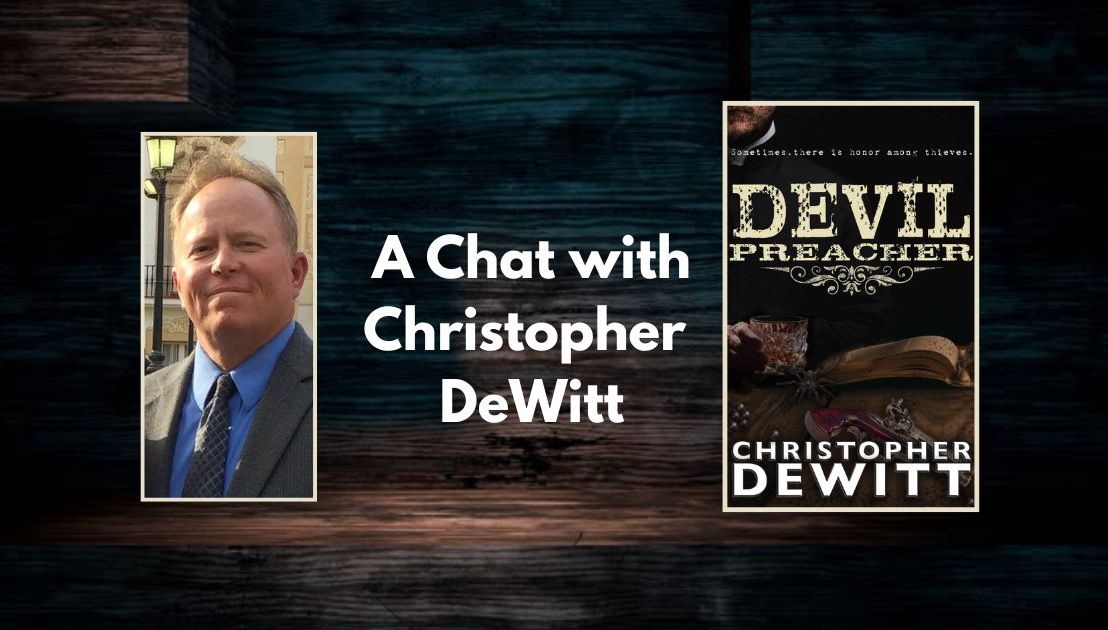
Talking with William J. Connell

Talking with William J. Connell

by Abigail Wild and William J. Connell

What sparked the idea for your current Wild Ink book?

    My current book is “Masks of Death.” The idea for it came from people who read drafts of my upcoming book, “Race with the Black Death.” People liked “Race” but had questions about the protagonists and the events leading up to the story. I thought I had set up enough hints about the past, but when I discussed it with friends, they suggested it could be its own story.  Thus, Masks of Death was started!

    How do you approach writing on days when inspiration feels thin?

    Different ways. Sometimes I put it aside and address my legal work, or exercise, or have fun with family.  Basically, walk away from writing fiction.  If I have stretches with “Writer’s Block,” then I might sit down and start writing a scene that is clear in my mind.  Doing that often helps me work both forwards and backwards around the scene. At that point, the story will write itself.

    What part of your book changed the most during revision, and why?

    In both books, it was the characterization of the protagonist turned antagonist, Elizabeth Malatesta. She is a sentient flesh eater, what is called a “Zombie” in some circles. I envisioned her as a ruthless antagonist, and a bit crazed by her sickness. While writing the first book with backstory, I began to see her more as a person who was manipulated and conflicted.  Even when she’s turned into the full-on villain, I found moments to show she retains a shred of humanity.  I found what I think are interesting ways to show this. She is cold and calculating, but on occasion will show a sliver of mercy. Elizabeth  has a sense of fairness, but it is fairness from her viewpoint.

    What do you hope readers carry with them after finishing your work?

    I hope readers find these books to be exciting reads, and that they become immersed in the world of western Europe during the Black Death plague. The story is fictional, but I sprinkle it with known characters from literature of the period (all in the public domain, of course). The superstitious elements are fantastical, but I tried to depict what everyday life was really like during the period, along with the very real and frightening effects of what they called “The Great Mortality” – minus the fleshers, of course. 

    Is there a scene or moment in the book that feels closest to your heart?

    There is a scene where Elizabeth finds a young flesher, a girl, who is sentient, like Elizabeth, though not as strong. The child does not really accept she is “undead.” This is one of the scenes where Elizabeth shows traces of her humanity.  The child was going to disappear after the scene, but in writing it, she became too strong a character. She remained a significant secondary character throughout the book (and if I am not giving too much away, she is there I the third and final book as well).

    What book or writer shaped your voice in a way you still notice?

    Really hard to pick one. I am fascinated by supernatural/horror themed stories set in the past, like “The Masque of the Red Death.” I think the books in the “Black Death Tales” series are influenced by Edgar Allan Poe and Giovanni Bocaccio, who wrote “The Decameron.” That book is a collection of stories written during the time of the plague and offers fascinating insights into life during that time.

    What are you working on now, and how is it taking shape?

    I am working on the final edits for “Race with the Black Death.” I really love the action and pace of the story. There are two races going on with two distinct groups, both  of whom are just trying to survive as the plague spreads in a northwest direction. I hope readers like the world-building and get caught up with the characters! I also hope we get enough readers to bring the survivors back in Book 3, which concludes the “Black Death Tales” series!

    Meet William J. Connell here.

    A Chat with A.J. Hooks

    A Chat with A.J. Hooks

    When I first sat down with AJ Hooks to talk about Eugenesis: Inception, I felt that spark you get when a writer knows exactly what world they are building and is bold enough to follow it wherever it goes. His debut sweeps you into the life of Maria Guevara, a brilliant genetic engineer who finds herself pregnant under circumstances that refuse to make sense. One moment you’re in a quiet Spanish town, and the next you feel the walls shift around you as Maria realizes she is not alone, not safe, and not entirely in charge of her own future.

    Hooks writes with a confidence that caught my attention. He blends science with the unsettling tension of conspiracy. The story moves quickly, yet it lingers in your mind long after you close the book. I found myself leaning in as he described how the idea took shape. It started with a simple question about genetic engineering, and then it spiraled into a full exploration of legacy, secrecy, and how far people will go to shape the world in their image. You can purchase Eugenesis: Inception here.

    What sparked the idea for Eugenesis: Inception?

    Eugenesis: Inception grew out of my interest in what might be the dangers of bio/genetic engineering if it was used for nefarious ends and, more generally, the question of the nature of humanity in the face of accelerating technology. Also, I wanted to explore the complicated terrain of personal identity vs. family/group heritage.

    How do you approach writing on days when inspiration feels thin?

    When I get stuck I will first wait a day or two and take some walks in nature, as I feel it’s often the case that my unconscious is still chewing something over that’s not quite ready. If nothing comes after that, I will go to a separate table in a different room and start working on (or re-working) the outline for the next chapter or two. When I’m writing I feel more in a nonlinear flow (right brain?) state, almost letting the characters lead me on, but when outlining I’m more in a plotting/linear (left brain) state. If the writing is stuck or drifting, it helps sometimes to zoom back up to the overview and re-examine/re-arrange some skeletal plot and action points which I can use to then dive back in and guide my flow.

    What part of your book changed the most during revision, and why?

    The character arc of a secondary antagonist. I originally thought I would have him transform towards the end and fall in love with the main character. About a third of the way through the book that changed though, as I had developed a sympathetic supporting character and, as I was writing, it just seemed natural that he and the main character were drawn together and [SPOILER ALERT] ultimately fell in love. My lesson from that is often your characters and their emergent character development will sometimes lead you in story choices rather than the other way around.

    What do you hope readers carry with them after finishing your work?

    A curiosity about what it really means to be human and a realization that we will always need to be careful about how new technology is  deployed and used when humans are involved. Because there will almost always be misguided, or just plain bad, people that will eventually use it in the wrong way.

    Is there a scene or moment in the book that feels closest to your heart?

    Probably the climactic scene where the main antagonist [SPOILER ALERT] meets his end. It’s a scene imbued with historical parallels and irony, and happens in a place that I have personally  visited and where there are powerful, tragic historical echoes. It’s also a bittersweet scene because another character, one that we have been rooting for, [SPOILER ALERT] dies in the process of protecting the main character.

    What book or writer shaped your voice in a way you still notice?

    The narrative non-fiction of Hampton Sides (Blood & ThunderThe Wide, Wide Sea) and the novels of Stieg Larsson (The Girl With the Dragon Tattoo, etc.)

    What are you working on now, and how is it taking shape?

    I’ve recently finished the sequel to Eugenesis: Inception, and it’s with the editor and is targeted for a 2026 release. It’s called The Second Becoming. And I just started working on a collection of 3 short (~ 30 pages each) stories with a loosely unifying theme. I’m enjoying the challenge of distilling the essence of a story into a shorter format and writing in a different POV.

    I wanted to send a warm thank you to A.J. for these amazing answers. THANK YOU!

    Go check out A.J. Hooks here.

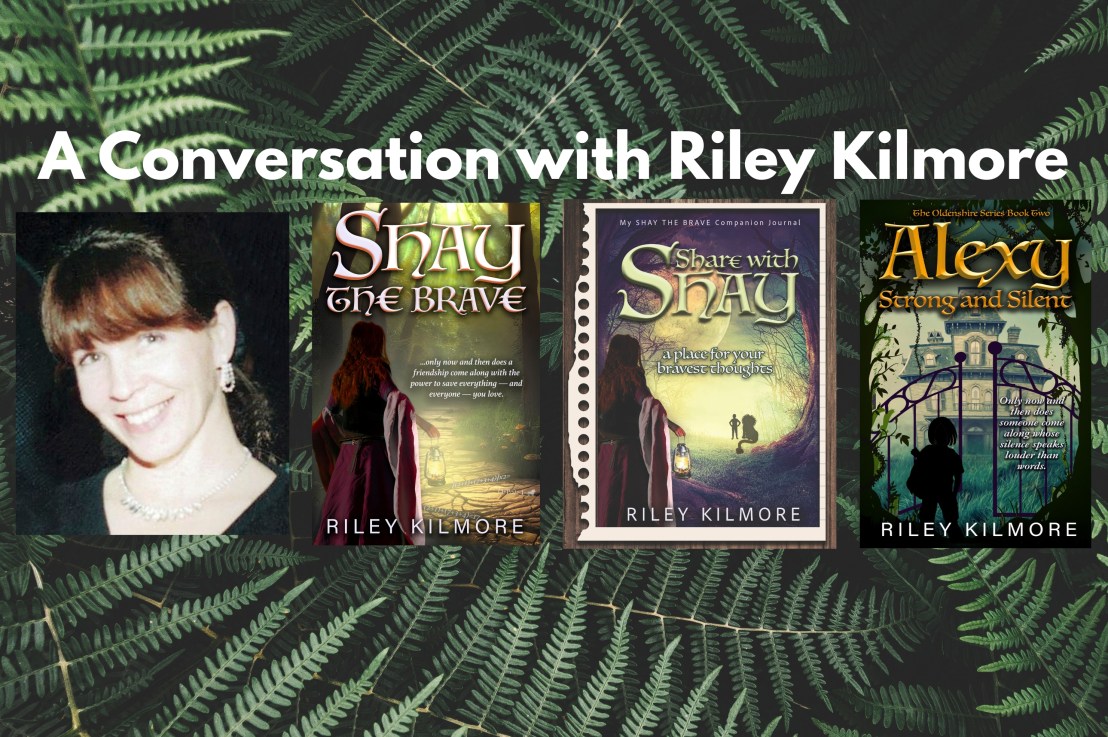
    A Conversation with Riley Kilmore

    A Conversation with Riley Kilmore

    By Emily Groff

    While a wide variety of hats have topped Riley Kilmore’s head across the years, the only one you’ll see these days is that of an author. Kilmore has worked as a police officer, as an EMT and firefighter, has driven a forklift in a flooring factory, and even served as the Administrative Assistant to the president of a chemical waste management firm. Still, throughout the years and changing jobs, Kilmore was always writing.

    “I don’t think there’s any kind of work that doesn’t ‘mix’ with a career as a writer,” Kilmore told me. “People driven to write will find ways to fit it into their lives no matter what else they do.” Kilmore went on to express the belief that varied employment experiences can inform an author’s writing—often in ways not always apparent on the page.

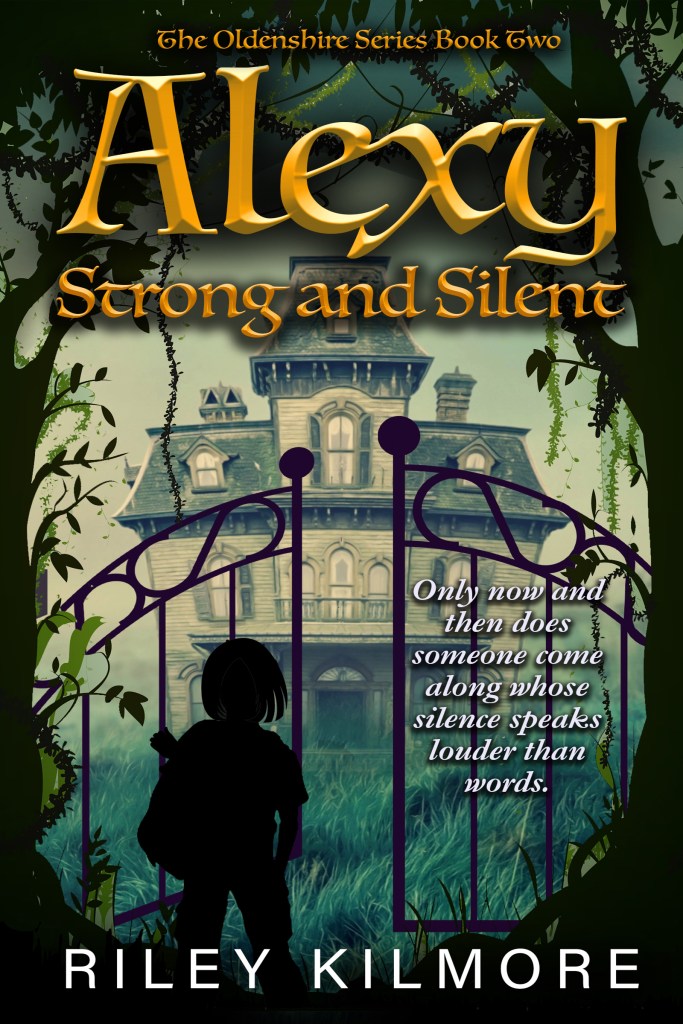
    The published author of award-winning poetry, essays, and short stories in multiple genres, Kilmore also served as a regular columnist for several online publications, including The Illuminata, a Sci-fi/Fantasy webzine. These days, Kilmore is most recognized as author of our particular favorites, Shay The Brave, a middle grade fantasy, and its newly released sequel, Alexy, Strong And Silent. We want them to be your favorites too, so let’s dive into this interview to learn more about the author and these fantastical books.

    When did you first know you wanted to start writing? What got you interested?

    Most authors are going to tell you they knew they wanted to be writers from the moment they picked up a pencil and learned to scratch out letters on a piece of wide-ruled paper in grade school. It’s a common refrain, but it’s really not an origin story. I think perhaps there are more pointed ways to ask this question. Maybe, “What was the first story you attempted to write as a child?” and “What was the triggering incident that drove you to try to recount it as a story?”

    I’m pretty sure I still have some of those earliest writings—opening chapters to books that ended up stillborn—but the lives of the lost remain with us and continue to inform our work. One early story, Sada of Onada, featured a lonely kid convinced she was an adopted alien. Another story, Shibboleth, was inspired by a biblical tale about a fortress that recognized enemies by their inability to pronounce carefully crafted passwords. My spin  on it was that the “enemies” had a lisp. The story was going to be an allegory about discrimination.

    Recalling these early attempts at storytelling, I’m able to draw a thread through to today and see that most of my writing throughout my life has centered on themes of not fitting in. Prevailingly, across genres, my stories feature characters who, in one way or another, couldn’t (or wouldn’t) toe the lines societies draw for their (accepted) members.

    Tell me about each of your books: Shay The Brave, Share With Shay, and Alexy, Strong And Silent.

    All three books are part of the Oldenshire Series, a set of quirky middle-grade fantasies that, while clearly not set on Earth, take place in a pre-industrialized time reflective of our own Medieval period.

    Shay The Brave takes place in the village fortress of Oldenshire itself, and features a feisty protagonist animal lover (young Shay) who wants everyone to stop eating meat. Hers is a family of means, but she is against classism and ablism—her pal is Alexy, the laundress’s son, who also happens to be mute. The story is an allegory promoting animal rights, intercultural friendship, and trans dignity: a small book filled with big ideas.

    The Share With Shay Workbook invites young readers to project their own ideas and creativity over the world of Oldenshire, especially as it reflects social issues at play in the real world. The workbook is a great companion to Shay The Brave, offering hundreds of prompts that encourage kids to ignite their imaginations and delve into their own origin stories—both cultural and individual.

    Alexy, Strong And Silent is the second installment in the Oldenshire Series. The story follows the sidekick from Shay The Brave as he must venture afield from the only home he’s ever known and face a larger, crueler world. This second story takes place in the town of Indusdorp. Perhaps think of it as an Oldenshire take on Oliver Twist meets Jumanji. While Shay isn’t featured in the second book, she does appear, as do other beloved characters from Book One.

    How did you get the idea for each of these books?

    Shay was a filler book to engage my spare time during my MFA program. My thesis novel was a sweeping 400-page Sci-Fantasy family saga with anticolonial themes, so I wanted to try something different. Honestly, I didn’t know what, so I just sat down at my computer, pulled up a blank page, and decided to write whatever occurred to me. No plan. No outline. I ended up writing a chapter a day, and in three weeks Shay The Brave was born. In a way, it felt more like a channeled story than one I wrote. The workbook was the brainchild of Abby Wild, owner of Wild Ink Publishing. The idea for Alexy came from Shay. It was Abby’s idea to expand Shay The Brave into a series. How I approached that was up to me, so I decided there was more to Alexy’s story to be told, more of his character to unfold. He deserved a book of his own.

    Why should readers read your book? What is your target reader for each book? Why did you choose to write for this audience?

    I’ve written eleven books, yet Shay The Brave was my middle grade debut. My other works are geared  more for young adult, adult, or YA-crossover readers. That said, I do market Shay The Brave as having been written for “kids from nine to ninety-nine,” because it appeals to readers of all ages, especially fans of books like Lewis Carroll’s Through The Looking Glass or Lemony Snicket’s A Series Of Unfortunate Events.

    I think I eventually gravitated toward writing for younger readers by realizing how deeply influential books were in my own formative years. Authors who most influenced me include Mark Twain, Louisa May Alcott, Marguerite Henry, Lewis Carroll, and Helen Garrett. By reaching out to younger readers, authors have an opportunity to plant seeds of better and broader thinking in the coming generations. Writing for young audiences is an act of hope, an investment in the future, and a declaration that young minds are the fertile landscape whereon our entire world’s survival hinges. Writing for young readers (and for the adults who will be reading our works to them) is a way to pass on tidbits of wisdom we’ve garnered along the way.

    Do you have a specific genre that you write in? Why this genre? Do the books you read tend to influence this?

    Throughout my teens and early adulthood, I did read a lot of sci-fi and fantasy, so yes, the books I read definitely influenced my writing. I’d say the bulk of what I’ve written through the years could be considered one or another sub-category of fantasy. I’ve written novels in other genres as well; they simply haven’t found their way to publication yet (i.e.: romance, family drama, western). In more recent years, I’ve actually been reading fewer and fewer works of fantasy or sci-fi—probably because I feel I can simply imagine more engaging stories on my own. For instance, I’m no fan of dystopian or vampire or zombie stories, and nowadays a lot of work seems to center on those sorts of things. Frankly, my first and lasting love has always been non-fiction, especially history and biography, yet I have no driving desire to write non-fiction like I do fiction. Go figure!

    You write in multiple different formats—poetry, short stories, novels, etc. Which format is your favorite and why?

    I can’t claim a favorite. Each form of storytelling fills a different need, in the writer and poet as well as for the reader. One can’t replace another. Poems that are most memorable pack a strong emotional punch; they leave us feeling something. You might call them “emotional snapshots.” Short stories that stick with us the longest tend to have unexpected endings, twists that leave us thinking something. I’d categorize them as “cognitive snapshots.” But novels are entire photographic albums in word form. The most memorable ones run us all up and down an emotional flagpole while at the same time making us think—usually about things we didn’t show up prepared to think about at all.

    What is your writing process like? Do you have any particular tips, methods, or writing strategies that help you?

    My personal “process,” if one can call anything I do a process (Inner monologue: Is flying by the seat of your pants a process?), is to walk a lot. I used to run a lot, but now it’s mostly walking. This is my development time, the space and place where my stories and poems are seeded and begin to grow. Then, at night, that sweet twilight between lying down and falling asleep becomes the fertile ground wherein those seeds shoot up, spread out, and blossom. Finally, the following day, I sit at my computer or take pen in hand and gather the harvest, weaving it into words on a page that garden of ideas, smells, sensations, emotions, images, events, and conversations.

    As for tips or strategies, my take is pretty straightforward: you do you. Do whatever works best for you as a writer. I’d suggest the way to discover that is by sampling many different approaches. Try writing at different times of the day. Write in different kinds of light. Write in different rooms and locations. Explore a variety of mediums (pen and paper; computer; audio recordings). Maybe try writing to music, then while wearing sound-cancelling headphones. Eventually, you’ll discover your personal writing sphere, which will lessen your writings fear.

    Tell me a fun fact about yourself.

    As a teen I was once runner-up to the Chicken Corn Soup Queen in my hometown. That’s probably a pretty small club. Also, at both my wedding and my police academy graduation—unbeknownst to me until it was all over—I had my hat on backward. That’s embarrassing (you’d have thought someone might say something, but no!). Also, I have some vision issues, so I’ve pulled a number of what I call my “Mr. Magoo” stunts. I once mistook a fellow shopper for a mannequin and began feeling up her outfit, admiring it; I nearly had a heart attack when she moved. Another time I gave an extended lecture to an up-ended mop in the corner of my kitchen till I realized it wasn’t my daughter quietly sulking there.

    To learn more about Riley Kilmore visit https://rileykilmore.com/.

    Meet Bruce Buchanan

    Meet Bruce Buchanan

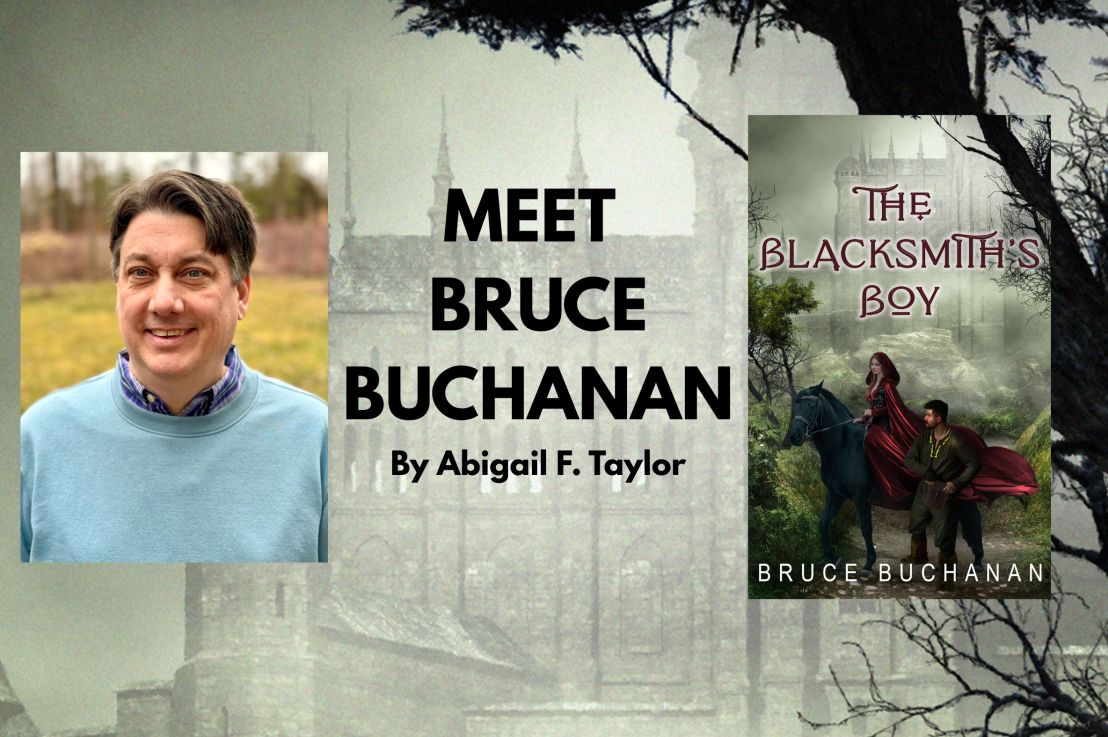
    By Abigail F. Taylor

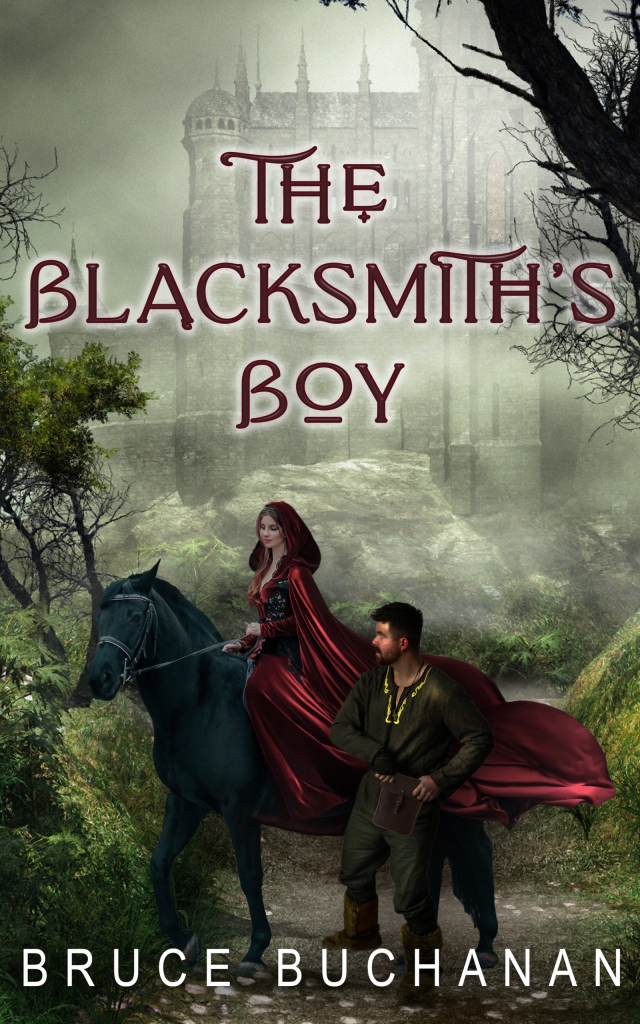
    In anticipation of his upcoming YA debut, I sat down with Bruce Buchanan, an Associated Press award-winning author. What unfolded was a fascinating chat into his process, the characters & worlds he creates, and how he made his start. His next two books, THE BLACKSMITH’S BOY and THE CERULEAN BLUR are both signed to Wild Ink Publishing.

    1. Do you remember the first story you wrote? How old were you?

    I’ve always loved making up stories as well as reading them. When I was in elementary school, I used to write and draw my own comics. Now, I’m a terrible artist, so I named my hero “Stickman” to explain why he and everyone in his world were stick figures. That’s all I could draw!

    2. In your upcoming novel, The Blacksmith’s Boy, Bok comes from the peasant class and later meets a friend in Isabella, who is a member of the royal family. How important does class play in the narrative, and how do you think it mirrors the growing divide in today’s society? 

    Class divisions are both a big plot point and a key theme of The Blacksmith’s Boy. In the fictional country of Imarina, people are born into one of three social classes: Noble, Landowning, or Serving. According to Imarina’s centuries-old laws, people in the Serving Class can only hold certain jobs and only own a small amount of land. Most notably, only members of the Noble Class can be born with the ability to perform High Magic—sorcery, in other words. At least, that’s what everyone in Imarina has been taught to believe.

    Bok comes from the lowest point on the social ladder. Isabella is literally at the top—she’s the Crown Princess. But circumstances throw them together, and they develop a deep and strong friendship. However, Bok is always aware of those class differences.

    Isabella is a reformer at heart. But her desire to make Imarina a fairer place for the Serving Class isn’t as easy to make real as she’d hoped. I’ve always thought that speculative fiction works best when it says something about the real world, and I think readers will understand those parallels when they read the book.

    But The Blacksmith’s Boy is first and foremost a fantasy adventure! The other stuff is there for those who want to think about it. But if you just want an exciting adventure, you’ll (hopefully!) find it here.

    3. Are there places in The Blacksmith’s Boy that you found difficult to write? How did you push through?

    Not so much scenes, but I originally had the idea for this book years ago! I started a draft when my son was young, and life got in the way. More to the point, I didn’t have the time management skills I needed to be a novelist then. I wrote a few chapters and some notes back then and put it aside.

    I came back to my unfinished (very) rough draft and notes in early 2023. I kept a little bit, changed a lot, and added a ton. This book has been through so many drafts and revisions, but I finally got it to where I’m happy with it. After all these years, I’m going to share my debut novel with the world. It honestly doesn’t seem real sometimes.

    4. You’ve written a fair few short stories as well. How do you know when a story will end up as a short or as a novel? 

    Good question! I don’t have a formula, really. It’s more of a gut feeling of, “How many words do I need to tell this story?” I do outlines before I start writing either a short story or a novel. But my novel outlines are much more detailed, for the simple fact there’s so much more to write.

    I like writing short stories as a break between bigger projects. You get that satisfying feeling of finishing a piece in just a few days, whereas a novel will take months (or longer).

    5. Your next novel, The Return of the Cerulean Blur, is set to hit the shelves next year! What challenges did you have transitioning from a high fantasy world to a modern-day one with superheroes? Would Bok and Isabella ever catch a drink with Susan Murphy, or would it be like Oil and Water?

    For starters, The Blacksmith’s Boy is written in third person past tense, while The Return of the Cerulean Blur is in first person present. So that was a change – as I wrote the second novel, I found myself slipping back into third person past because I’m so used to it.

    But The Return of the Cerulean Blur was a lot easier to write, because it is rooted in the real world. Susan Murphy is a parent, works at an office job, has to pay the bills, etc. These are things I certainly can relate to a lot more than being a Serving Class healer or a crown princess! 

    And I love the idea of Bok and Isabella meeting Susan for a drink. Despite the age gap (Susan is mid-40s, while Bok and Isabella are both 19), they’ve all had to look deeply inside themselves to figure out what they’re made of. And all three are genuinely good people who want to do right by others.

    6. The protagonists in your books are fighting against impossible odds. What would you like readers to take away from the experiences they’ll face? 

    To me, what makes a hero is their willingness to try to do the right thing, even when it is hard. Whether they succeed isn’t as important as the effort. Bok and his friends get put to the test. They fall short sometimes, but they learn and grow. Hopefully, readers will enjoy and appreciate the ride!

    7. What writing advice did you receive at a young age that has stayed with you throughout your journey?

    Keep writing. You only get better at writing by writing. It’s so easy to get discouraged, but don’t give up. You have stories to tell, and only you can tell them.

    Abigail F. Taylor, Texas Poet & Novelist.

    abigailftaylor.wordpress.com

    Getting to Know Wild Ink Author C.R. Reece

    Getting to Know Wild Ink Author C.R. Reece

    By Emily Groff

    Knowing you want to be a writer but fearing that you may not be good enough is exactly the thought that ran through Courtney (C.R.) Reece’s mind. While it took time to overcome her fear, she has officially become not only a writer, but a published author (one of the three things she loves). The other two are spending time outdoors and with her family.

    Courtney has three dogs, two beautiful daughters, and a loving husband. Her world is writing and being a stay-at-home mom. She was gifted in teaching high schoolers English, but loved spending time with her kids and writing more. It felt only right to be doing the things she loved most. Meet Me in the Woods is her first YA novel, and we can’t wait for you to read it.

    Tell us what your book Meet Me in the Woods is about.

      Meet Me in the Woods is about a teen girl, Lowen, who accidentally breaks an ancient curse that brings quite a few supernatural beings to her doorstep, including Sebastian and Wesley–two faces found in nineteenth-century photographs. She, along with two of her best friends, using alchemy, telepathy, and witchcraft, must figure out who is following Lowen and murdering teen girls who look just like her, before Lowen becomes the next victim. 

      How did you begin writing Meet Me in the Woods, and what gave you the idea?

        The idea came to me while hiking in the woods with my dog, Teddy. Being alone on the trails can be a little unsettling, so I let my mind play out my most outlandish daydreams. I would spend hours plotting while walking through the woods, and then would go home and draft those ideas.

        Why should readers read your book? What is your target reader for each book?

          I think readers will be surprised by the depth each of these characters encompasses. It truly is an ensemble cast of vulnerable, slightly broken souls who are still finding their own unique ways to care for others. This book is meant for young adults, 13-18. 

          What are you most excited about with the release of Meet Me in the Woods?

            I’m excited for readers to (hopefully) experience the quaint and slightly creepy town of Moon Creek the way I imagine it in my head. My hope is that someone will connect with one of these characters and feel a sense of being seen and valued in the process.

            When did you first know you wanted to start writing? What got you interested?

              If you ask my mother, she’d say I’ve known my entire life. As for me, it’s taken me a while to believe in myself enough to go for it. I’ve always had my nose in a book and have always written for myself, but only in the last few years have I pushed myself to write novels.

              What genre do you tend to write in? Does it differ from what you typically read?

                Meet Me in the Woods is a YA Paranormal Romance, but my second manuscript is Women’s Fiction with Speculative elements, and my third is an Adult Crossworlds Fantasy. All three may seem very different, but they all contain magic and all focus on women facing their literal and metaphorical ghosts. I love to read everything, but I am drawn to Fantasy and Women’s Fiction the most.

                What is your writing process like? Do you have any particular tips, methods, or writing strategies that help you?

                  I am definitely a panster, no matter how much I want to be a plotter. Even if I create an outline, I inevitably end up veering so far off course, so I’ve learned to embrace the magic of surprise. The method that works best for me is to write from beginning to end, giving myself a word goal each day. I use Save the Cat Beat Sheets to make sure I stay on course with a sound structure, and then I let ideas flow.

                  Tell me a fun fact about you.

                    I have eleven tattoos, and the orca on my arm is my favorite. 

                    Click here to find locations to purchase Meet Me in the Woods.

                    Learn more about Courtney (C.R.) Reece here, https://wild-ink-publishing.com/courtney-reece/

                    An Interview with author Sarah Floyd

                    An Interview with author Sarah Floyd

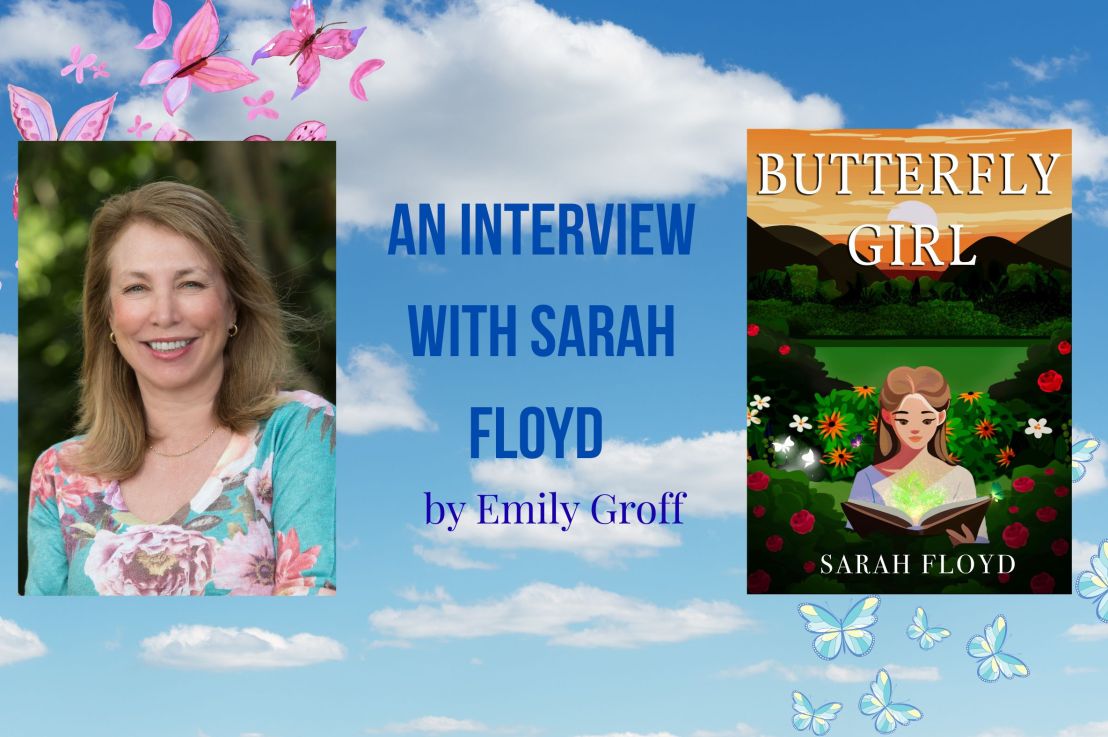
                    By Emily Groff

                    Publishing your work means putting your heart and soul out into the world for everyone to read. It’s a scary process, but it is also a fantastic process that brings connection and joy. But what happens if your publisher shuts down and can no longer sell the book you worked so hard on? Sarah Floyd experienced this and feared what this meant for her book. Would no one get to read it anymore?

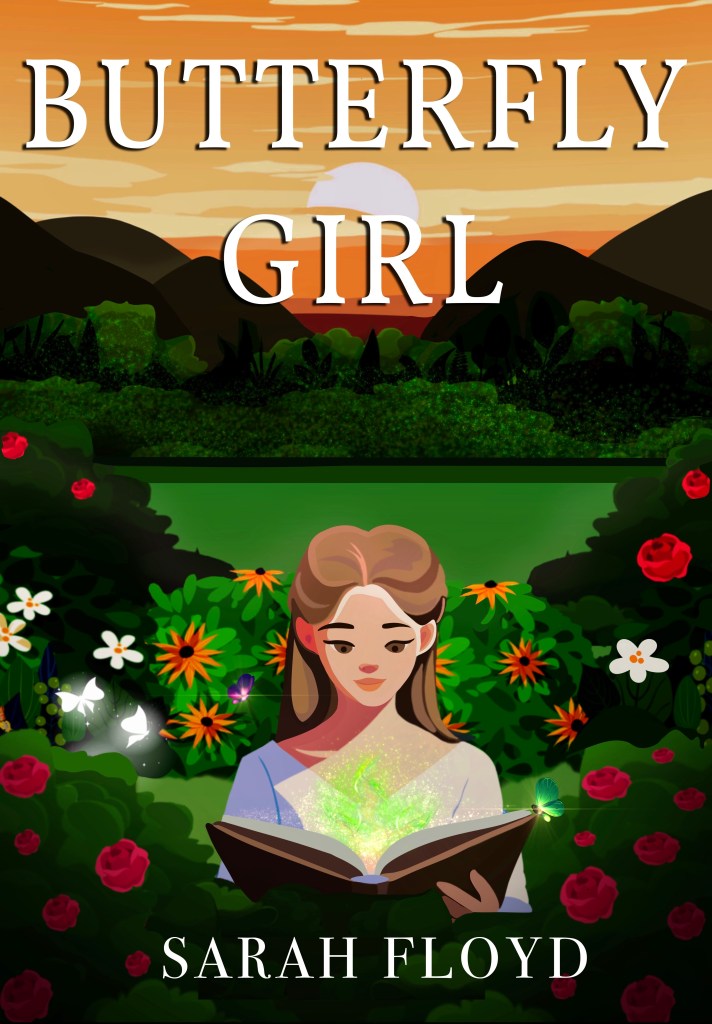
                    Our favorite publisher, Wild Ink Publishing, made sure this would never happen. Securing the rights for Floyd’s Butterfly Girl, they made sure the re-release was even more special. With what seemed like all hope lost, Butterfly Girl made its comeback and is ready to hit the shelves of stores near you. Learn more about Butterfly Girl and its author in this interview with Sarah Floyd. 

                    When did you first know you wanted to start writing?

                    My dream of becoming a writer started in childhood. I loved to read, and if you had asked eight-year-old me what I wanted to be when I grew up, my response would have been “a children’s book author!” But, I landed in Communication Studies instead of English Lit and moved into professional sales after graduating from college. I have always loved to write, and I wrote ads and brochures for my real estate career. However, I didn’t start writing books until after my son was born, when I began reading to him. At that point, I took a break from real estate and started helping my husband part-time with administrative tasks in his home office, a flexible job that allows a lot of free time for writing. My first published book was a children’s picture book, Ten Clever Ninjas. Butterfly Girl came next, and my new novel, Survivor Mountain, will be released later this year.

                      Tell me about your book Butterfly Girl.

                      Butterfly Girl is a coming-of-age, middle-grade novel about family, friendship, and finding the courage to chart your own course.

                        In the summer before seventh grade, Oregon farm girl Meghan McCoy-Lee discovers there’s magic in the sap of her family tree. She follows instructions in her great-grandmother’s journal… and grows leathery wings! When Meghan’s story goes viral, her absentee mother swoops back into town with superstar plans for her Winged Wonder Girl. Grandpa says stay on the farm and ignore the paparazzi, but her charismatic mom wants her to leave for Hollywood and start a new life together. The popular girls at school wouldn’t miss her– they want her gone, like yesterday– she’s getting way more attention than they are. One thing is certain: Meghan is going to make up her own mind, and with the help of her friends, she may even find a way to bring the popular girls down a peg or two. Then Meghan must decide if a Hollywood life with the mother she longed for is worth leaving the friends who stood by her, and Grandpa, who loved her before the whole world knew her name.

                        How did you get the idea for this book?

                        Butterfly Girl, or at least the idea of flying, has percolated in my mind for as long as I can remember.  As a child I often dreamed of flying, and on one particularly windy day in kindergarten, I ran across the playground with my umbrella open and lifted myself two feet off the ground! It was thrilling, but my teacher didn’t think it was a great idea. Later, as a fourth grader, my friends and I tried to levitate. During lunch period, we would sit cross-legged on our school’s tall lab tables, eyes closed in meditation, whispering “light as a feather” and waiting to float toward the ceiling, mind over matter. And in sixth grade, we created wings out of cardboard and duct tape and ran down the hills of San Francisco, where I grew up, flapping our arms and trying to fly. None of our attempts were successful, but there was a delicious sense of almost flying, that the secret was ever so slightly out of reach. That secret, that mysterious missing ingredient, is magic—and magic is the secret ingredient that gives Meghan wings in Butterfly Girl.

                          Why should readers read your book? What is your target reader?

                          I think many of us wish we could fly, and Butterfly Girl takes us there… but it’s a deeper story too, of self-acceptance, courage, and finding the strength to be your authentic self. The target audience is ages 9-13, but many of my readers are adults. I think one of my reviewers, YA author Bruce Buchanan, said it best: “Kids of any age will love it– even those of us who haven’t technically been kids in quite a while!”

                            What are you most excited about with your release of Butterfly Girl?

                            Butterfly Girl was actually released by a smaller publisher back in 2019, but that publisher experienced a distribution collapse and was unable to consistently fulfill orders. I was thrilled when Wild Ink acquired the rights! They have now republished Butterfly Girl with an editing update and a beautiful new cover, created by one of Wild Ink’s talented artists, the amazing Melanie Mar. It’s a wonderful feeling to see this story, the book of my heart, find such a strong and dynamic publisher.

                              What books/genres do you tend to read? Do these books/genres influence the genre that you write?

                              I mostly read YA and MG, but I like adult books too, as long as there’s no graphic horror or extreme violence. I don’t read fiction at all when I’m writing, to keep my own voice and themes clear in my mind. Instead, I re-read my favorite books on craft, such as Blake Snyder’s Save the Cat, Orson Scott Card’s Characters & Viewpoint, or Donald Maass’ The Emotional Craft of Fiction. If I need inspiration, I re-read Stephen King’s On Writing, Anne Lamott’s Bird by Bird, or I revisit Julia Cameron’s The Artist’s Way. When I’m reading these books, my subconscious somehow merges “craft” with “story” and I’m able to deepen my own characters, ramp up the stakes, and tighten the turning points.

                                What is your writing process like? Do you have any particular tips, methods, or writing strategies that help you?

                                My writing process is slightly bonkers. When I have a great idea in the works, it starts to take over my life and I work hard to find balance. Butterfly Girl literally woke me up at 5:00 every morning, demanding to be written. I navigated daily life distracted by thoughts of magic spells, wings, frenemies, farming, paparazzi, and first crushes. I became a master list-maker and relied on timers to pry myself away from the manuscript to take care of my family and other responsibilities. Some days my head was so full of characters chatting with each other and plot points twisting and turning that I could hardly fall asleep at night!

                                  For writing strategies, I’m a combination of “plotter” (plotting with an outline) and “panster” (writing by the seat of my pants and letting the story develop spontaneously). I write a long narrative summary to capture the overall story (“plotting”), and then I dive in and free write the first draft (“pants-ing”). When the first draft is complete, I refer to screenwriter Blake Snyder’s Save the Cat beat sheet to make sure the pacing is on target.

                                  Tell me a fun fact about yourself.

                                  I’m a certified scuba diver! It’s the closest I can get to the sensation of flying. There’s a line from Butterfly Girl that says, “It’s like swimming on the wind. Easy once you get the hang of it.” Scuba diving is fun and challenging, and it’s the closest I can get to the sensation of flying. But instead of birds and butterflies, there are dolphins and tropical fish. I love it!

                                    To learn more about Sarah Floyd, visit https://wild-ink-publishing.com/sarah-floyd/, sarahfloydbooks.com, or connect on X/Twitter: @kidlitSarah.

                                    Meet S.E. Reed

                                    Meet S.E. Reed

                                    By Emily Groff

                                    You may be wondering, “What is the best way to write a book?” The answer is simple: by doing. How do those two add up, you may ask? Inspiration. Doing is the inspiration– there is a setting, there is a plot, and there is an adventure. ‘Doing’ is the most impactful way to write a convincing story. Even if we know it’s fiction, we always live in that make-believe world, pretending it’s our own. So, do ‘it’, whatever ‘it’ is, and convince us that we are living ‘it’ too.

                                    Doing for Reed takes multiple forms. S.E. Reed has lived in all five regions of the United States and has used her adventures to help her write, to help her craft. She does multiple jobs–cooking, teaching art, being a seamstress, being a swim coach, a healthcare administrator, and a wife and mother. Reed has lived multiple adventures in all the places and jobs she’s done. Can we say that these adventures, the truth she’s shared, are how she became a multi-award-winning author? Let’s find out in this interview with Wild Ink author Shelby (S.E.) Reed.

                                    When did you first know you wanted to start writing? What got you interested?

                                      I started writing stories in elementary school. I think my first “book” was about a cat. I’ve always been an avi reader and had a big imagination. So it makes sense that I use creative writing as a major outlet in my life.

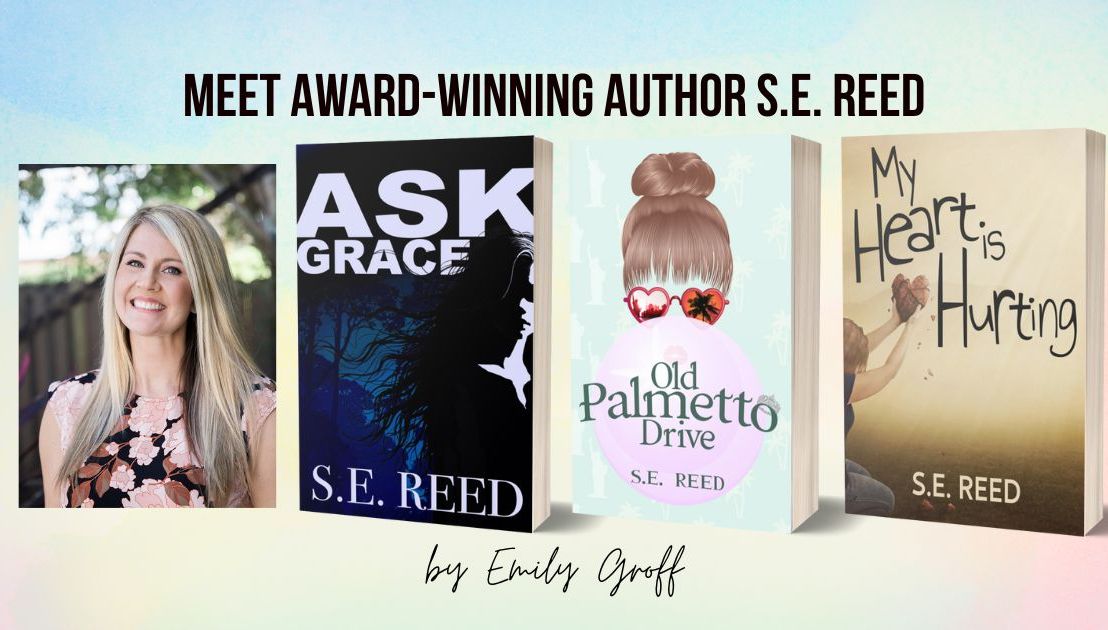
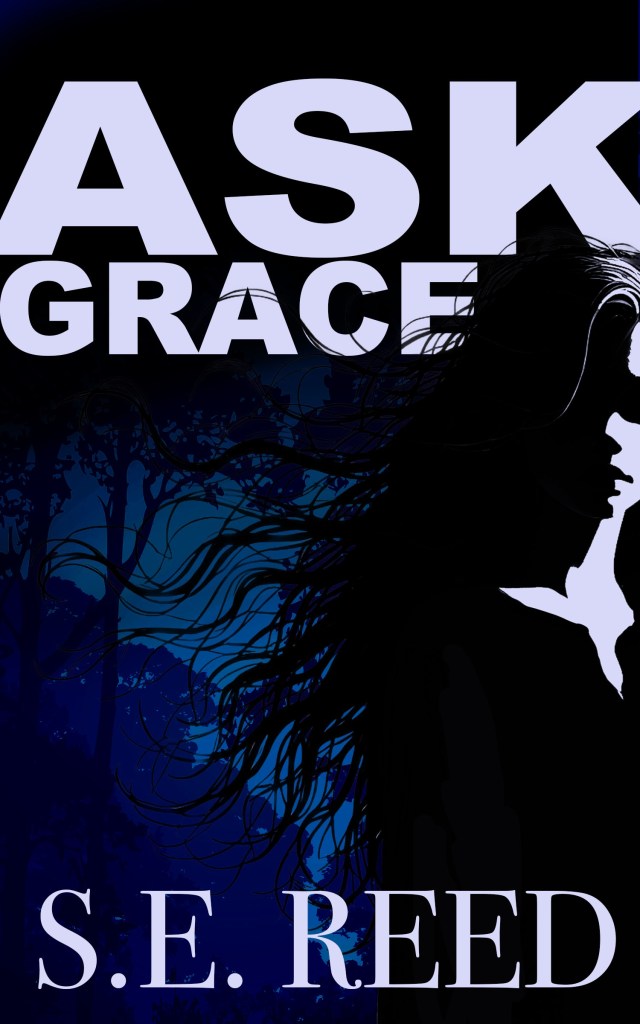
                                      Tell me about each of your books: My Heart is Hurting, Old Palmetto Drive, and Ask Grace

                                        All three books feature a young, female protagonist facing a major hurdle in her life that she has to overcome.

                                        •  In My Heart is Hurting, Jinny is brilliant, lonely, and looking for friends. It’s in the school bookclub that she finds her friends and a boyfriend she never knew she needed. But when her Mama spirals out of control and threatens her entire existence, it’s Jinny’s Everglade ancestors who arrive in a mist of magic, bringing the swamp and hope with them.
                                        • In Old Palmetto Drive, Rian is fierce, spoiled, and learning how to fit into a new place. While Rian spends time in the Everglades with her cousins, Travis and Sam, and falls head over heels for vintage-loving Justine, she learns it isn’t just her mom keeping secrets. They’ve all got secrets too. Until one fateful night, the dark, murky waters of the swamp decide to tell the story about what really happened on Old Palmetto Drive.
                                        • In Ask Grace, Grace is scared, angry, and wants to understand what is happening inside her mind. Her next-door neighbor, and enemy, Gloria, goes missing, and the only clue leads back to Grace. Seth, Grace’s boyfriend, goes missing, putting an even bigger target on her, and she starts experiencing stress-induced flashbacks of a kidnapping scene right out of some campy horror flick. The kind her and her friends spoof on their weekly podcast. Armed with new clues. Grace and her friends race against time to find Gloria and Seth, before the rotten-face man from her memories turns Richmond Hill into a real life horror movie. One they can’t spoof on their podcast.

                                        How do you find the ideas for your books?

                                          I have teenage kids, so many of my YA novels have been inspired by my kids or things they’ve said or situations they’ve described. Usually my ideas start as a seed (someone says something or I see something and it sticks in my brain) and from there it starts growing, taking shape, developing and expanding until there’s enough that I can flesh out a plot for a book. I used to sit down at that point and start writing the MC and see what they were doing. Now I sit down and write out a high-level outline for the entire book from start to finish.

                                          Why should readers read your book? What is your target reader for each book?

                                            I think I write books that are highly readable with characters that you can’t help but cheer for. My novels with Wild Ink are intended for readers aged 13-18, however, I believe they can be enjoyed by adult readers as well. A great coming-of-age story generally transcends age and gender, because as humans we can all relate to those  kinds of growing-up feelings.

                                            What are you most excited for with your release of Ask Grace?

                                              It’s always exciting to have a new book released–because maybe it will help me find new readers who will come back to read some of my other novels. I experimented with breaking the 4th wall in this novel, which is new for me. (That’s when the main character speaks directly to the reader). I thought it might be interesting in this book because Grace (the MC) is an unreliable narrator, so when she talks to the reader it creates a sense of trust or maybe mistrust for her. You decide!

                                              You have won a series of awards for your books. What did this feel like for you? Do you have an award you are most proud of?

                                                Writing and publishing can be a very solitary activity. People read my books and maybe (if I’m lucky) will leave a short little review, and that’s my only temperature gauge to know “how I’m doing” so to speak. So winning awards is exciting, because it’s a boost, it’s someone (or a group of people) saying my writing is good! Worthy! I feel seen and heard as an author. And no, I’m not sure I’m more proud of one award over any other. Each award has provided different opportunities– I’ve been invited to the Florida state capital to receive an award in front of a huge audience, I’ve been given prize money, my book has been sent on a world-wide book blog tour, and other opportunities.

                                                You are a multi-genre author. How do you change your writing for each genre style? Do you have a favorite genre to write in?

                                                  I’m a character-driven author, so when I come up with an idea and a main character, they usually dictate the type of story I write. Whether it’s young adult contemporary or adult romance or new adult science fiction. I change my style to conform to the characters and the story they are telling or participating in. I can see it in my head and hear them, so I just tell it. No, I don’t have a favorite genre. I’m currently in my thriller era.

                                                  You have lived in all five regions of the United States. Do you have a favorite region? Does each region you have lived in have any influence on your writing or setting?

                                                    Yes, I’ve lived all over and driven all over the country. It’s so interesting to see the regional difference in things like architecture, food/restaurants, people, music and more. The south is my favorite. I’m a big fan of the weather, landscape, food, and designs. All of my Wild Ink books are set in the south, in either Florida or Georgia. So yeah, I’d definitely say that my writing has been influenced where I live.

                                                    What is your writing process like? Do you have any particular tips, methods, or writing strategies that help you?

                                                      My novel writing process starts with an idea. Over the years I’ve learned to heavily outline and draft the novel from start to finish before I start writing. My first few published books were written without an outline. Another strategy I use is word count tracking. Probably because I’m a bit of a numbers and data nerd. So I like to use a spreadsheet and track my daily word count, it is motivating to me. 

                                                      Tell me a fun fact about yourself.

                                                        When I was in college I was a DJ. I had turntables, a mixer, records, the whole nine-yards. My club name was DJ Barbie, and I used to go to parties and play, and travel around the PNW to go to raves.

                                                        To learn more about Shelby (S.E.) Reed, visit her website, https://www.writingwithreed.com/ and sign up for her newsletter https://www.writingwithreed.com/subscribe.

                                                        Getting to Know D.L. Broom

                                                        Getting to Know D.L. Broom

                                                        By Emily Groff

                                                        Have you ever wondered what it feels like to become a debut author? D.L. Broom has always been a voracious reader and has awaited her chance to write. She held many different careers through the years, the primary one being an early elementary educator, but she is most excited for her new career as an author who touches the hearts of all who read her words.

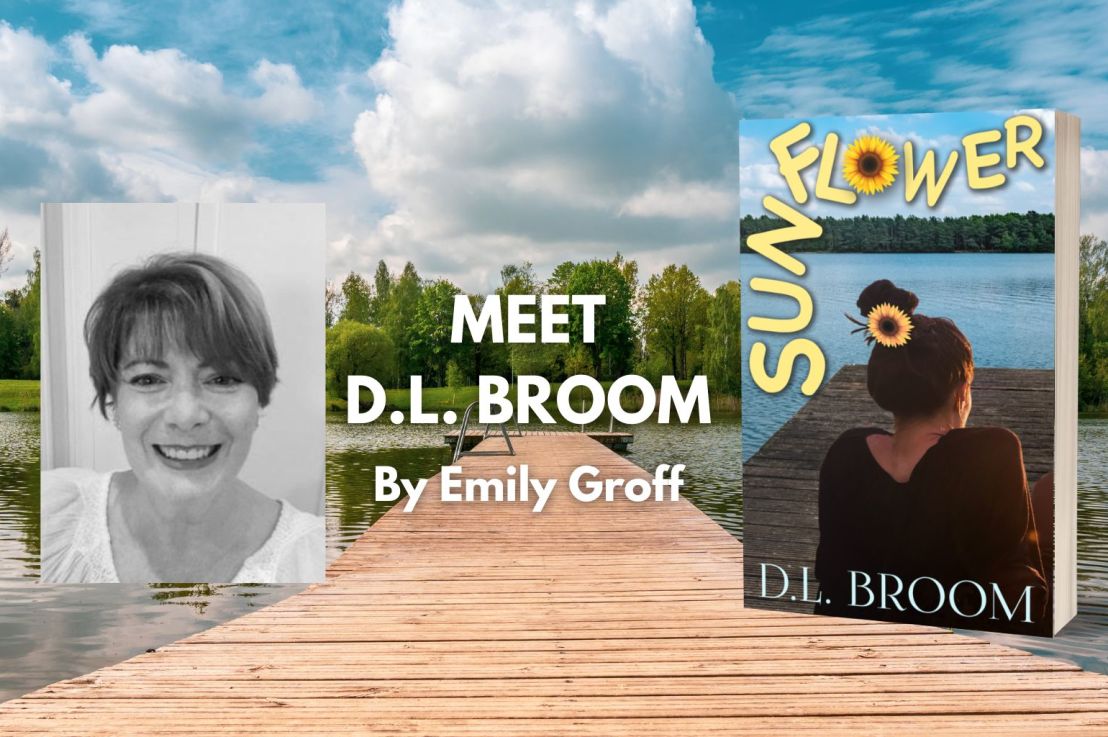
                                                        Broom reads thrillers, light, and sci-fi, and enjoys writing historical fiction and horror. You may be wondering how she came about publishing a young adult novel, a genre out of her usual comfort zone. Look no further. I had the pleasure of interviewing Donna Broom and learning more about her debut novel, Sunflower.

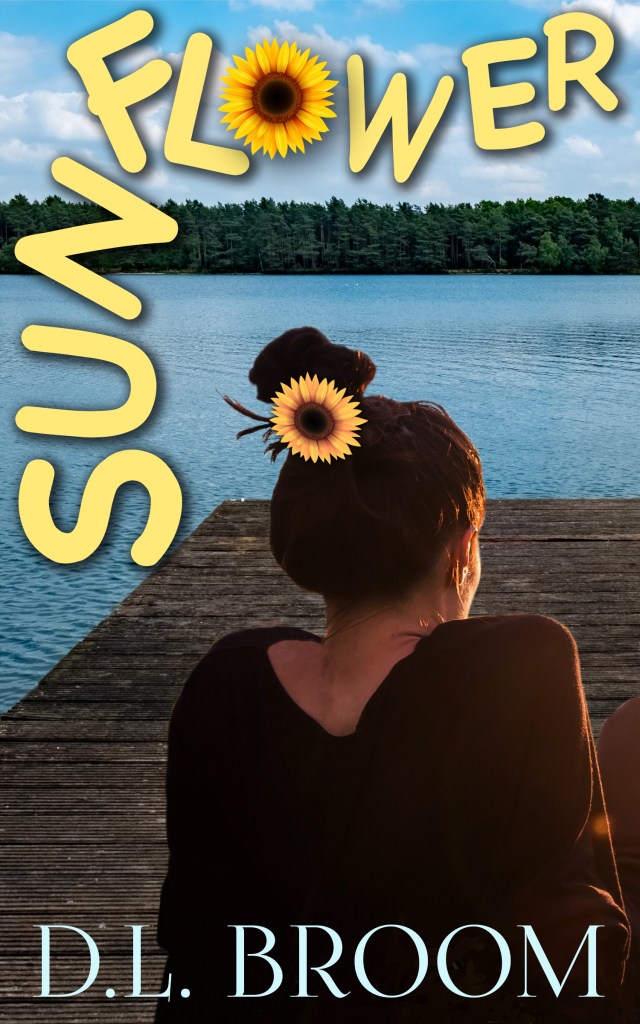
                                                        Tell us about Sunflower, your Wild Ink Publishing debut novel. What is this book about, and how did you come up with this story? Why should readers read this book?

                                                          Like most people in my age group (Gen X), I read all the Nancy Drew and Hardy Boys mysteries. I love the cozy mystery format even though I also enjoy authors like Jo Nesbo, Preston & Child, and Freida McFadden who write much more intense stories. I’m also sensitive to my writing being authentic. Teens have access to incredibly written, hard-hitting, topical novels that aren’t my life experience. I wanted to give the YA audience a fun, cozy mystery with a bit of sweet romance that harkens back to the Nancy Drew series. This YA mystery explores what happens when a girl’s boring summer job turns into a dangerous search for answers to a tragic family secret.  I’m excited to offer Sunflower to the world!

                                                          You are a debut author with Wild Ink Publishing. What was this experience like?

                                                            Working with Abby and her team at Wild Ink has been wonderful! I spent almost two years in the querying trenches, completing my MFA at SNHU in 2022, and she took a chance on me and Sunflower. I love working with fellow SNHU grads (and instructors) and the journey has been so exciting and rewarding. I can’t believe my novel is actually out!

                                                            When did you first know you wanted to start writing? What got you interested?

                                                              I’ve wanted to write since I was a child, but I didn’t have the confidence to go the distance. I wrote occasional stories through the years, but I always ripped them up and disposed of them. I will say that children these days have so much more support for their writing. Teachers have the training and resources to give children writing opportunities, and authors come in to give advice through workshops and assemblies-it’s amazing!

                                                              How did you begin writing Sunflower, and what sparked the idea?

                                                                My Sunflower project started after a compilation of opportunities. I was working at an Atlanta private school when the children’s author, Jack Gantos, came by and not only did an incredible assembly for the students, but also did a teacher workshop that I was lucky to attend. He outlined his process for writing children’s books and made it feel so attainable. I highly recommend his book, Writing Radar. The second opportunity came when my husband and I traveled to Boyne City, Michigan, to visit with great friends. I had never been to the state of Michigan, let alone any of the Great Lakes. I was blown away by the beauty of the region. When we visited the sweet town of Walloon Lake, I was just charmed, and my idea of a teen girl coming to the town, meeting a cute boy, and solving a mystery just popped into my head.

                                                                You read thrillers, light sci-fi, and enjoy writing historical fiction and horror. How did you tie in these interests to Sunflower, or is Sunflower a whole new genre for you?

                                                                  A totally new genre for me. I’d never read what was considered Young Adult when I was growing up; I’d jumped right to adult novels because that’s what was on the bookshelves at home. It never occurred to me that I’d write a YA novel until I thought of Ivey’s story. I was in the middle of my MFA and working on a historical novel as my thesis project when I decided to switch to YA. SNHU has so many experienced instructors in the YA world, I felt Sunflower had a better chance of publication than my historical fiction project at the time. I’m still working on the historical novel, which centers on my Irish ancestor who was hanged for treason in 1798. I’m also working on the second book in the Sunflower series and a futuristic sci-fi. 

                                                                  What is your writing process like? Do you have any particular tips, methods, or writing strategies that help you?

                                                                    Gosh, I feel like I’ve tried everything from outlining extensively to writing streams of consciousness. When writing Sunflower, I decided to have short chapters, so I made an outline using the chapter numbers and wrote a sentence or two about the chapter content. When I got stuck midway through the manuscript, I received great advice to go ahead and write the ending. That was a game changer! It made my writing easier when I knew where I wanted Ivey’s story to go. Being a committed reader is vital. Not only does it keep me current on genre trends, but it also shows me what types of characters and plots are in demand. Bottom line- what I love to read or write may not be what the masses want, but I need to know, so I can be successful in publishing.

                                                                    Tell me a fun fact about yourself!

                                                                      Most people find it interesting that I lived in Hawaii when I was a little girl. My Dad was in the Air Force, so we moved to Oahu when I was seven, and we lived there until I was ten. It was a unique experience because Hawaii is culturally very different from the “mainland”. It was a beautiful place to run around as a child, and it inspired my original fairy tale titled “Pele’s Hair”.

                                                                      Oh! I also attended summer school at Punahou, from which President Obama graduated.

                                                                      To learn more about Donna (D.L.) Broom, visit her website: https://dlbroomwrites.com/

                                                                      Writing Ancestry and its Connection to Horror

                                                                      Writing Ancestry and its Connection to Horror

                                                                      By Emily Groff

                                                                      We all have a family heritage and a need to share our culture. But are we allowed to? Abigail F. Taylor wondered the same thing when she began writing. She still struggles with overcoming whether she is fit enough to write about her culture, but she’s tried, and she shares why it is important to write about her culture, and how to do it. Abigail shares her story through horror, a genre that is important to her and most compelling.

                                                                      You say, “It’s (horror) a chance to have revenge when the system fails victims and it’s an opportunity to explore different perspectives and cultures.” You are from an indigenous heritage. Do you write in horror to specifically explore your cultural background and make readers more aware of your culture?

                                                                        It’s not that I set out to make readers aware of native stories. It’s simply that I grew up with them and didn’t see a lot of it represented in the media when I was younger. We have our hallmark, such as Smoke Signals, but for a long time, we didn’t have native stories written by native people. So, diving into more of the folk side of horror was really about me wanting to share things I thought other people might find as interesting as I found them. The “exploration” doesn’t come so much from me, the author, as it does from the reader. Horror is a lot more inclusive and widespread with its genres. So, readers will come across backgrounds and communities of characters that they wouldn’t necessarily see on the mainstream. Growing up in a conservative household myself, horror was a place where I could find progressive thoughts and ideas that weren’t readily available.

                                                                        You say you struggled for a long time about whether or not you had a place in talking about indigenous issues and avoided it for a long time because you didn’t feel ‘enough’. Can you explain why you felt this way and how you overcame it?

                                                                          It’s something I’m still working on, and I don’t think I’ll ever overcome it. Much of the reason is because of culture. As a child of divorce, I was deprived from half of my family. When visits are far and few between, the focus is really on the immediacy of things, the in-the-moment experiences, because you don’t know when that chance will come again. Diving into family and genealogy took a backseat. I would live and exist around my Mexican and Choctaw-Chickasaw relatives a handful of times throughout the year. I didn’t realize there were things that were culturally unique to us until I was much older. I was raised predominantly by my white, Southern Baptist family, in a middle-class neighborhood, and not on or near the rez. I am blonde and blue-eyed. So, I’m not really the first person on (literally) face value that people would want to hear from when they want what they think of all things indigenous. There are many things in this community where it isn’t my place to talk but to simply listen, learn, and be an ally. Yet there are also aspects unique to me and my family that I feel more encouraged to write and discuss as I get older. Finding that balance is where the ‘am I enough?’ comes into play.

                                                                          How do you show your ancestry in Maryneal and in A Home in Tishomingo? Do you express it in different ways?

                                                                            In Maryneal, 1962, I hint that my main character, Delah, and her sister, Kitty, are mixed. There are several easter eggs hidden throughout to suggest this. She herself, however, believes she is white because her mother is gone and her father is all she has. This is a choice he has made for his children to help them advance in a divided society. In doing so, he protects his children, but he robs them from an important aspect of their identity. This was not uncommon for a lot of children growing up in that era. They lost language, culture, and a sense of self because so many people were worried about their children being taken away from them and thrown into Indian Boarding Schools or murdered (often both).

                                                                            For A Home in Tishomingo, I dig in deeper since there is no hiding the identity of these characters. It was a chance for me to explore old traditions and languages that are no longer used or hard to come by. More importantly, I had a chance to use the materials we have today that provide explanations of mental health and generational trauma that weren’t accessible in the 1920 & 30s. I could give better understanding and reasoning to the behaviors displayed that inspired the more difficult scenes in this book. One of my favorite things was creating ‘the other woman’. My main character, Skunk Lowery, is heavily inspired by my great-grandfather. Corinth is inspired by my great-grandmother, but she had a tumultuous sister-wife relationship with an unknown woman. Between the two of them were roughly 24 children that survived. I don’t know about this other woman or who her family might be other than a few scant details. So I created Madeline Roberts and stitched together ideas and theories of how everyone might get along or why this polyamourous relationship was established in the first place.

                                                                            How do you ensure that today we have better representation of the indigenous culture and make those from that cultural descent feel safe to be who they are and keep who they are in the family, unlike your grandmother, while maintaining an entertaining fictional story?

                                                                              The best way to ensure we have better representation is to invest and indulge in what the community provides. Read the greats, watch the shows, listen to the music, find the influencers on TikTok, and ask these things of your library to order and to hold. Share these with friends and relatives. Go to powwows (most are open to the public) and support the local artists there. Outreach and volunteer, or bring your kids/ fund a school trip to cultural centers. As far as drawing from real life and putting it into fiction? If you feel that you have a good story but are worried about the safety of someone you care about, discuss it with them. Then, look into your own motivations as to why this story must be told and be told by you specifically.

                                                                              Why is it important to you that your ancestry is represented in both literature and film, properly?

                                                                                It’s important because culture isn’t a monolith. There are a wide variety of peoples who come from the same ethnic backgrounds but can be polar opposites of each other. Even in the same household. It’s also important to not deprive someone of their heritage while also maintaining that you can have vastly different experiences navigating life than you do because of how you present yourself. We don’t get as many mixed main characters as we should. There are at least 20% of Americans who are in interracial relationships and we are starting to see that more in the media but we aren’t seeing as much of these fictional children as we should. Discovering one’s own identity is a difficult process during the teen years. It’s important to have strong and uplifting characters that a child or teen could see themselves in to feel less alone.

                                                                                Learn more about Abigail F. Taylor and her books here: https://abigailftaylor.wordpress.com/.
                                                                                Getting to Know Wild Ink Author Abigail F. Taylor
                                                                                Getting to Know Wild Ink Author Abigail F. Taylor

                                                                                By Bruce Buchanan

                                                                                Abigail F. Taylor is an award-winning author who leans into her roots to craft unforgettable and spine-tingling stories. Her next two books are both signed to Wild Ink Publishing, with MARYNEAL, 1962 coming in June and currently available for pre-orders. Her subsequent novel, A HOME IN TISHOMINGO, is soon to follow.

                                                                                In the following interview, Abigail shares more about her books, her approach to writing, and how her heritage shapes her work:

                                                                                1. What got you interested in writing fiction? When did you first know you wanted to tell stories?

                                                                                My family is full of storytellers. So, in a lot of ways it was a natural progression. I enjoyed writing ever since first grade but only began to see it seriously as an option in high school when a creative writing program was offered for seniors. 

                                                                                2. Much of your work falls under the horror umbrella. What is it about horror that appeals to you? And why do you think readers love scary stories?

                                                                                Horror is a safe space to explore the intrusive thoughts, the grim and gory, and the unknown. I think that’s why it appeals to so many people, both writers and readers. It’s a chance to have revenge when the system fails victims and it’s an opportunity to explore different perspectives and cultures. Horror is one of those genres that has been inclusive for a long time. Its subgenres, like splatterpunk, were created as a push back and a form of rebellion against the status quo. Most of all, horror is a genre of hope. No matter how grim the outcome, the trials and tribulations of the main characters, there is always the fight for survival and to persevere through the darkest hours.   

                                                                                3. So tell us about MARYNEAL, 1962, your Wild Ink Publishing debut novel! What is this book about, and how did you come up with this story?

                                                                                I basically came up with the story because I wanted to challenge myself to write for Young Adults. For about a decade I’d been working and querying in adult spaces with little to no traction. So, I decided to take a pivot. Then coming up with the story itself was an amalgamation of events. The setting was the hardest part to figure out. How do I write a horror without cellphones and without the crutch of ‘the no cell service’ excuse to fall back on. I also wanted to explore the reasons a thriving city would suddenly become a ghost town. I wanted a story where the protagonist was like the women I grew up with. There wasn’t a lot of representation when I was writing the first draft for tall girls with a mixed race background. I didn’t want it to be an ‘issues’ book either. I wanted my protagonist to exist in a space as a whole and complicated person without having to preach to the choir on a soapbox. This isn’t to say that Maryneal doesn’t explore these things. Throughout the book Delah is challenged by her own small town prejudices. Topics like sundown towns, interracial relationships, and the Indian Relocation Act are integrated as part of the wider narrative. Lastly, I knew I wanted to have a monster book that inverted the tropes that had been on the rise in paranormal and urban fantasy. The monster is not cute and cannot be saved by a single kiss. 

                                                                                A portion of pre-order sales will be donated to The Family Place, an organization that has been helping Texas families escape domestic violence since the 1970s.

                                                                                4. Your first book, a horror novella titled THE NIGHT BEGINS, received a great deal of acclaim. What did you learn from that experience that you applied to writing MARYNEAL, 1962?

                                                                                Actually, I wrote Maryneal first! The Night Begins came several years later. I’d shelved Maryneal and wrote A Home in Tishomingo, then had to shelve that as well. A few friends and mentors encouraged me to try short stories, which made me nervous. I hadn’t excelled at that in my college courses but in the same way I knew I could challenge myself to write YA and I knew I had to try short stories again. I thought Maryneal wasn’t getting picked up because it wasn’t ‘horror’ enough. So I took those same themes: Mixed families, small town, Indigenous and Irish folklore, and I put a real effort into exploring what frightens me. It’s not exactly a short story (I’m still working on mastering those!) but I wrote it in December and was signed in February. My first book signed and the sixth one written! It was horror and it was a success. So, I knew the time had come to dust off Maryneal, 1962 and try again. 

                                                                                5. Your family’s indigenous heritage and your roots in rural Texas are threads that run through your work. Tell us about that and why this is so important to you.

                                                                                What it boils down to is the old adage, “write what you know”. Although, I will admit that I struggled for a long time (and still do to a lesser degree) about whether or not I had a place in talking about indigenous issues and I avoided it for a long time because I didn’t feel ‘enough’ but as I got older and more seasoned in my writing, I realized how important the discussion of ‘what is enough?’ is. Once I started putting that in my writing, I started getting seriously published. I’m white because my grandmother passed and decided to live and marry white. She didn’t see an outcome of successful living for her children and I think if there had been better representation for her when she was young, she wouldn’t have been so afraid to exist in the world as she was. That’s why it was so important for me to have characters who looked like her and the rest of my family. 

                                                                                Native Americans have a long and complicated relationship with the entertainment industry. The way tribes are depicted on films often had a direct correlation with what was happening with the US Government. The ‘uncultured terrorists’ of the Wild West became the ‘noble savage’ of the 1960s. In men’s adventure books, you’ll often find that one Apache guy who can see in the dark and hear hoofbeats from one hundred miles away. Nowadays, indigenous characters are treated too preciously. It is important for me to write about raw and dirty and complicated people who aren’t mystical or villainous. They’re just trying to collect their paycheck like all the other characters. In the decade since I first wrote Maryneal, there has been a golden era of indigenous stories. So many wonderful books and shows have come out into the mainstream. It’s wonderful to see!   

                                                                                6. You also are a prolific short story writer, including writing a story for Wild Ink’s PROM PERFECT and BANNED anthologies. Why do you enjoy short fiction, and does it help you as a novelist? 

                                                                                Short fiction is a challenge for sure! When I first started writing seriously, the advice often given was that a first chapter should be a strong first story. I don’t know if that’s still being taught but I think about it often. When it comes to writing shorts, it’s almost like puzzling out a math equation. The more characters and settings you have, the longer the story, and if you only have 250 words to create an entire narrative? Forget about it! As a novelist, shorts help me find characters quickly. I’m somewhat of a gardener when it comes to writing. I have a brief idea of where structure and plot should be seeded, but everything else develops as the story grows. With shorts you have to establish characterization and world building fast so that the rest of the story can breathe on its own. 

                                                                                7. You’ve signed a second novel with Wild Ink, A HOME IN TISHOMINGO! What is this book about? It represents a departure from horror, correct?

                                                                                Maryneal, 1962 is actually my departure. I’d been writing poetry and contemporary paranormal fiction long before I decided to pivot into Young Adult. When It comes to A HOME IN TISHOMINGO, it was like coming back to an old friend. This is a book I’ve been wanting to write since I was sixteen but, as mentioned above, I didn’t know if I was the right person to do it. I also didn’t have the skillset to take on the challenge. 

                                                                                It is a novel heavily inspired by my paternal great-grandparents and the challenges they faced and choices they made as a mixed race, polyamorous family surviving during The Great Depression. It dips into magical realism, although some of the outcomes and situations in their lives definitely lean towards horror, it’s a horror of reality and not of genre. The book spans from 1915-1935 and centers itself around Skunk Lowery, an Irish-American sharecropper, and the magic that he uses to gain the system. He’s run out of town for being a witch and settles in Choctaw Territory where he meets his wives, re-invents himself to become a person of influence. Eventually, his past catches up to him and once again he has to use the magic he swore from doing to protect his family, even if that means killing the ones he loves.    

                                                                                Visit Abigail F. Taylor’s website to learn more.