Tag: books

Behind the Cover

Behind the Cover

By Emily Groff

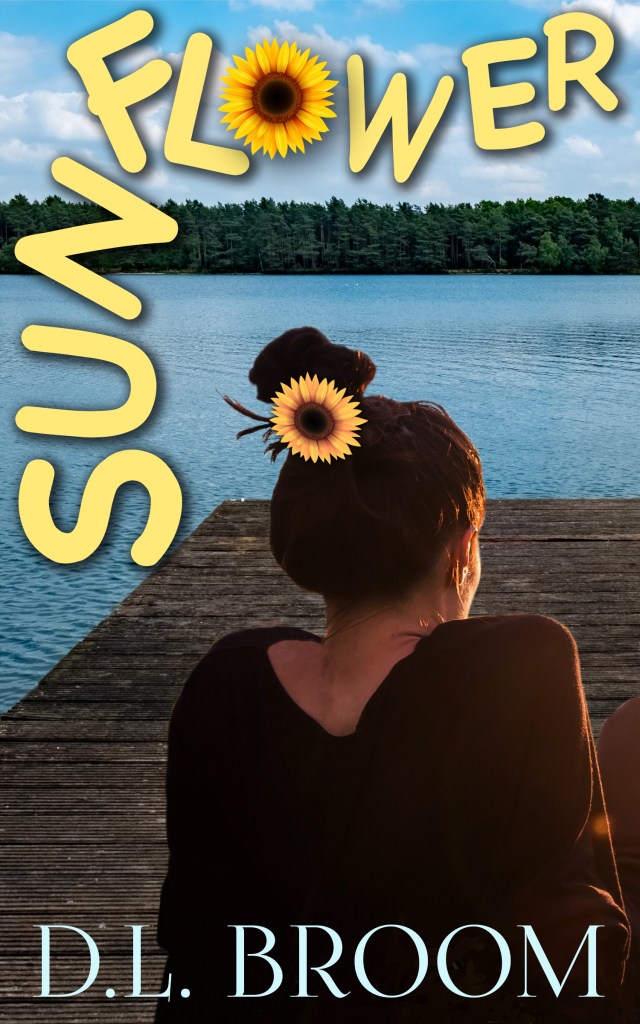
Do you know the famous saying, “Don’t judge a book by its cover?” Of course you do. And while we tell ourselves we would never judge a book by its cover, deep down, we do. This is why creating the book cover is an extremely important part of the book publishing process.

When creating a book cover, you need to allow for creative freedom, with structure. The cover should capture the significance of the book. Providing too little direction to the designer will lead to confusion and possibly a cover that doesn’t align with the book’s purpose at all. On the same note, too many restrictions will stifle the creativity of the designer, and the cover will feel unnatural or forced. “The more creative direction you give your designer, the better” (Emotive Brand). Designers flourish when given clear brand guidelines and project goals, with room for creative freedom. Even with the same specs, every designer will create something unique, and that’s the beauty of creative work.

Most people think a book cover needs to have decoration, and that is what makes up the design of the books. The truth is that designing isn’t just about making things look pretty and having decoration; designers have way more work cut out for them. They have to think about a series of steps before creating the book cover:

  • Color theory and visual hierarchy
  • Psychology of imagery
  • Visual rhetoric
  • Typography legibility

Designers must be aware of typography legibility when designing a cover, meaning that they need to be aware of leading, tracking, and readability. Leading refers to the vertical spacing between lines of text, while tracking refers to the uniform spacing between characters within a word or block of text. Leading affects the readability of the text, while tracking impacts the visual balance and flows of words. Consumers pick up a book if the cover is readable and the text matches the aesthetic of the rest of the book. This is what our designers work so hard to accomplish.

Accessibility

Accessibility refers to the fonts and colors used on the cover. You may not think that these are important features of a book, but to some, it is extremely important. Visually impaired and neurodiverse users care and require fonts and colors on covers to match their needs. Fonts and colors are not important only for the attractiveness of the book, but for the consumers who are buying it.

Designers can only make those decisions if they are given input on content. Collaboration is key. Designers should be involved early in the process when back cover text and blurbs are being written. The designer fears too much text, and the reality is that no one reads a wall of words. It is important the designer be given text that is tight, clear, and purposeful, so that the design can support it.

Designers need to have control in the cover creating process. Their role in designing a cover is message alignment. They need to be sure that the cover they’ve created matches the purpose of the book. In order to do that, the purpose of the piece must be made clear. They also need control over brand consistency, including font, color, and logo usage. Each cover will be unique, but will share similar features to entice readers to experience something similar to what they’ve loved before. This all ties into their knowledge of the user experience and how people will interact with the piece.

While the general rule for businesses is three rounds of revisions, it is not the rule for book covers. For book covers, there will be as many revisions as needed until the author feels it. The cover is the author’s. The cover is what captures the essence of the book and makes the consumer want to pick it up off the shelf and hold it in their hands. The author needs to be sure that the cover matches their book. After all, that book is their baby. The designer will begin with three design concepts and then pull together the best elements for the final design. If the author approves, the cover is complete.

The process of creating a book cover can be a long and stressful process. Rude or overly controlling clients can derail the process. Having discovery calls to assess client vibes early is important to creating that healthy relationship and beautiful cover. To reduce stress in the long book cover design process, keep these things in mind:

  • Giving Feedback the right way
    • Be specific while remaining respectful. If something isn’t working, express that and say why.
    • Instead of saying you don’t like something, offer an alternative for something you don’t like asking, “Could we try this instead?”
  • Provide design briefs with clear goals and visual inspiration
  • Don’t micromanage once work begins- trust the process
    • If it’s finished, and still doesn’t feel like it’s a right fit, then it’s okay to turn down work.
  • Avoid spamming your designer with DIY Canva mockups mid-project. Let them use their creative genius on the information you’ve already provided!
  • Let creatives do what they’re good at- that’s why you hired them.

Using these helpful tips, you can be sure that there will be a healthy co-relationship between designer and author, and that the cover will not only be appealing, but will match the purpose and meaning of the book– a cover design success.

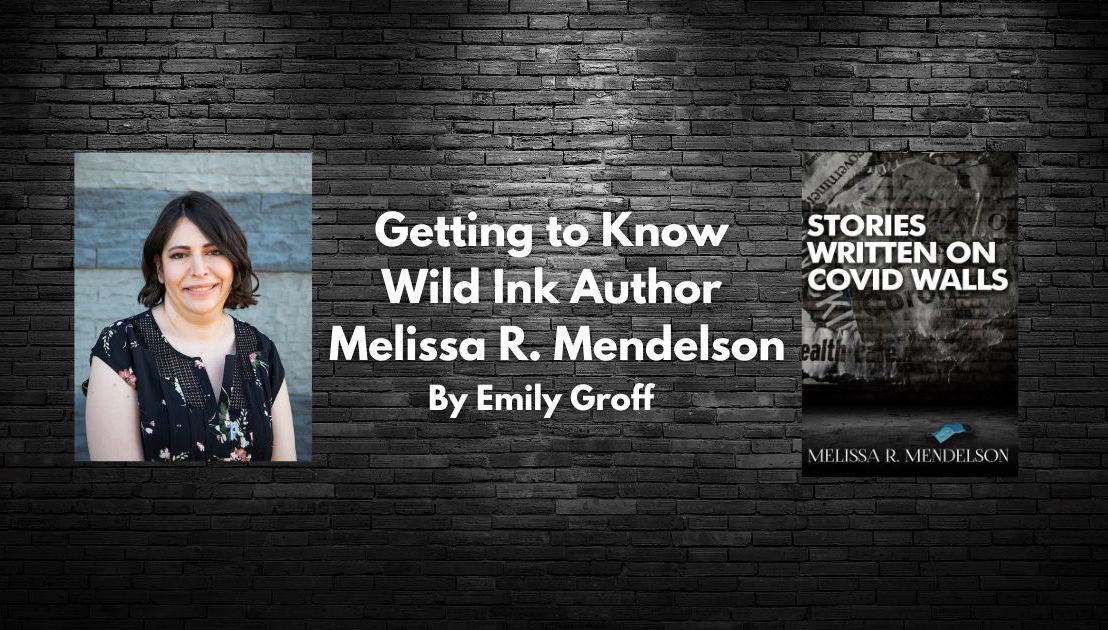
Getting to Know Wild Ink Author Melissa R. Mendelson

Getting to Know Wild Ink Author Melissa R. Mendelson

By Emily Groff

We write because there is nothing else that touches our souls or our hearts, the way the written word does. Words of every language are printed on paper and are grasped by millions around the world.  We write what we feel, and we authors can only hope it connects with others and helps them think, cry, and mend. No matter how much or how little we write–one word, one sentence– we are writers.

Author Melissa R. Mendelson writes because she loves it. She writes because she can express herself and her emotions. She writes to become the most vulnerable version of herself that she can be. Although Mendelson works as a full-time Administrative Assistant for the State of NY, she writes when she comes home from work and spends her weekends with pen and paper in hand. Working as an Administrative Assistant is tiring, forcing her writing after work to be brief, but it is on the weekends that she saves her energy and writes, entering into another world of her own.

Mendelson has had numerous stories and poems published. Our favorites, UnCensored Ink: A Banned Book Inspired Anthology; Ourania’s Orrey of Imagination; I’m Not The Villain, I’m Misunderstood; Calliope’s Collection of Mystical Mayhem. While all these publications draw us in, we are excited about Stories Written on Covid Walls, especially. Meet Melissa R. Mendelson and her new short story collection, Stories Written on Covid Walls.  

(Picture of Stories Written on Covid Walls)

1. Tell us what your book, Stories Written on Covid Walls, is about.

During the pandemic, when I wasn’t writing poetry, I was writing short stories involving the pandemic that ranged from dystopian to drama, and touched on a lot of topics, including family, loss, depression, and anger.

2. What made you want to write in poetry? Do you find poetry more compelling?

Writing, for me, is how I express my emotions, how I let them out. A lot was going on in 2020 with the pandemic with my infertility, and my family. If it wasn’t for writing, I don’t know how I would express how I really feel inside.

3. How do you get the idea to write these books/poetry collections?

During the pandemic and my infertility, I needed a way to cope, so my way of coping was writing both poetry and short stories, switching back and forth and back and forth depending on how I felt and what was going on in my mind.

4. Is there a common theme or genre that you tend to write in? Why that specific theme or genre?

I’ve always leaned toward Dystopian, and it’s fitting with everything going on right now. I don’t believe in happy endings, and when I pay attention to what is going on around me, I see the dark side of it.

5. When did you first begin writing and what got you interested in writing?

I had two great seventh grade teachers that believed I was going to be this talented writer, and it took some time for me to see that.  But in high school when I was dealing with family issues and bullying at school, I buried myself in my notebooks.  I was writing short stories like Lizardian and Porcelain and I was writing really dark poetry.  Luckily, my poetry is not that dark anymore, but some of my stories are.

6. What is your writing process like? Do you have any particular tips, methods, or writing strategies that help you?

I try to budget my time, especially in the evenings and weekends.  If my energy is low, then I aim to do small projects, work on ten pages, maybe write a page or two, and get myself going.

7. Tell us more about you!

I love taking pictures.  Other than being an author and poet, I am a photographer, and at some point, after I complete some projects, I would love to focus on that and try to get my pictures out there.  Right now, I use a lot of them for my website and match them to my stories and poetry.

To learn more about Melissa R. Mendelson, visit her website: https://melissamendelson.com/

Getting to Know Wild Ink Author Abigail F. Taylor

Getting to Know Wild Ink Author Abigail F. Taylor

By Bruce Buchanan

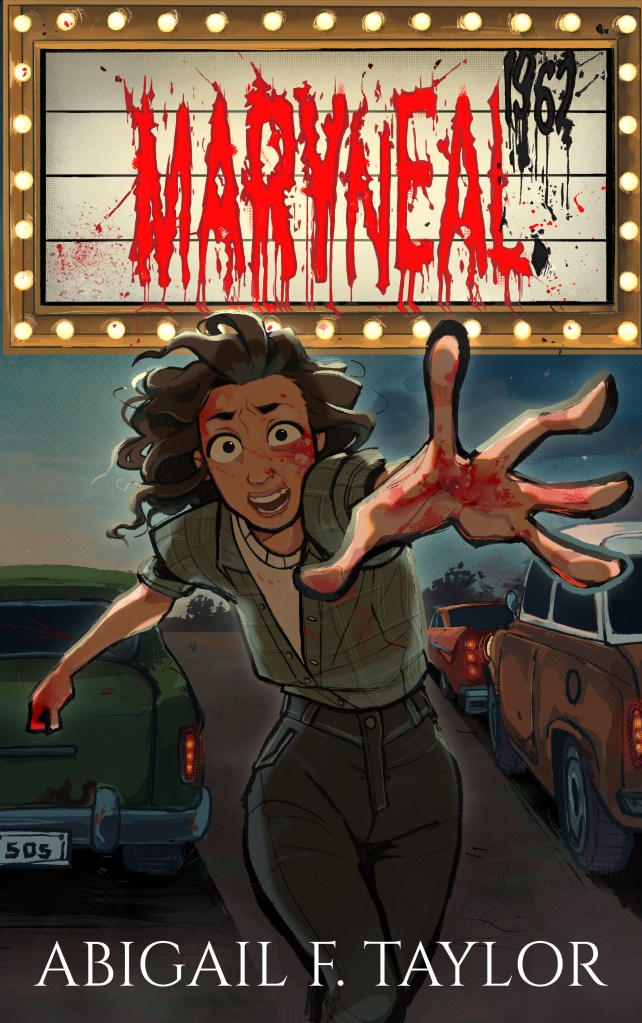
Abigail F. Taylor is an award-winning author who leans into her roots to craft unforgettable and spine-tingling stories. Her next two books are both signed to Wild Ink Publishing, with MARYNEAL, 1962 coming in June and currently available for pre-orders. Her subsequent novel, A HOME IN TISHOMINGO, is soon to follow.

In the following interview, Abigail shares more about her books, her approach to writing, and how her heritage shapes her work:

1. What got you interested in writing fiction? When did you first know you wanted to tell stories?

My family is full of storytellers. So, in a lot of ways it was a natural progression. I enjoyed writing ever since first grade but only began to see it seriously as an option in high school when a creative writing program was offered for seniors. 

2. Much of your work falls under the horror umbrella. What is it about horror that appeals to you? And why do you think readers love scary stories?

Horror is a safe space to explore the intrusive thoughts, the grim and gory, and the unknown. I think that’s why it appeals to so many people, both writers and readers. It’s a chance to have revenge when the system fails victims and it’s an opportunity to explore different perspectives and cultures. Horror is one of those genres that has been inclusive for a long time. Its subgenres, like splatterpunk, were created as a push back and a form of rebellion against the status quo. Most of all, horror is a genre of hope. No matter how grim the outcome, the trials and tribulations of the main characters, there is always the fight for survival and to persevere through the darkest hours.   

3. So tell us about MARYNEAL, 1962, your Wild Ink Publishing debut novel! What is this book about, and how did you come up with this story?

I basically came up with the story because I wanted to challenge myself to write for Young Adults. For about a decade I’d been working and querying in adult spaces with little to no traction. So, I decided to take a pivot. Then coming up with the story itself was an amalgamation of events. The setting was the hardest part to figure out. How do I write a horror without cellphones and without the crutch of ‘the no cell service’ excuse to fall back on. I also wanted to explore the reasons a thriving city would suddenly become a ghost town. I wanted a story where the protagonist was like the women I grew up with. There wasn’t a lot of representation when I was writing the first draft for tall girls with a mixed race background. I didn’t want it to be an ‘issues’ book either. I wanted my protagonist to exist in a space as a whole and complicated person without having to preach to the choir on a soapbox. This isn’t to say that Maryneal doesn’t explore these things. Throughout the book Delah is challenged by her own small town prejudices. Topics like sundown towns, interracial relationships, and the Indian Relocation Act are integrated as part of the wider narrative. Lastly, I knew I wanted to have a monster book that inverted the tropes that had been on the rise in paranormal and urban fantasy. The monster is not cute and cannot be saved by a single kiss. 

A portion of pre-order sales will be donated to The Family Place, an organization that has been helping Texas families escape domestic violence since the 1970s.

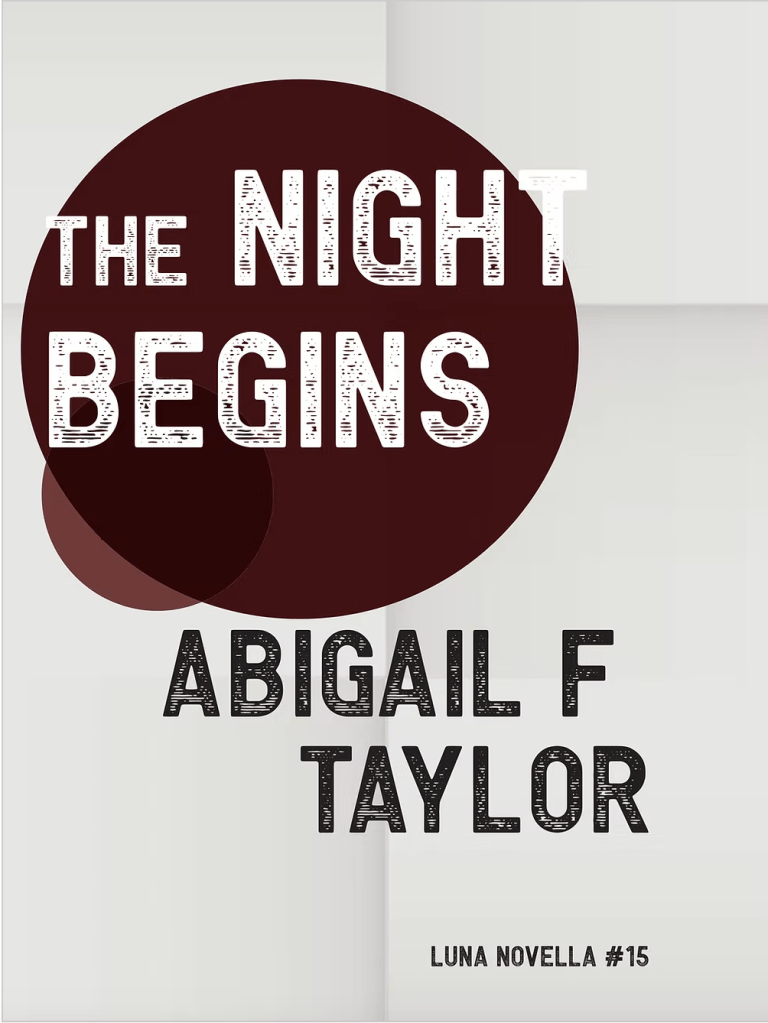
4. Your first book, a horror novella titled THE NIGHT BEGINS, received a great deal of acclaim. What did you learn from that experience that you applied to writing MARYNEAL, 1962?

Actually, I wrote Maryneal first! The Night Begins came several years later. I’d shelved Maryneal and wrote A Home in Tishomingo, then had to shelve that as well. A few friends and mentors encouraged me to try short stories, which made me nervous. I hadn’t excelled at that in my college courses but in the same way I knew I could challenge myself to write YA and I knew I had to try short stories again. I thought Maryneal wasn’t getting picked up because it wasn’t ‘horror’ enough. So I took those same themes: Mixed families, small town, Indigenous and Irish folklore, and I put a real effort into exploring what frightens me. It’s not exactly a short story (I’m still working on mastering those!) but I wrote it in December and was signed in February. My first book signed and the sixth one written! It was horror and it was a success. So, I knew the time had come to dust off Maryneal, 1962 and try again. 

5. Your family’s indigenous heritage and your roots in rural Texas are threads that run through your work. Tell us about that and why this is so important to you.

What it boils down to is the old adage, “write what you know”. Although, I will admit that I struggled for a long time (and still do to a lesser degree) about whether or not I had a place in talking about indigenous issues and I avoided it for a long time because I didn’t feel ‘enough’ but as I got older and more seasoned in my writing, I realized how important the discussion of ‘what is enough?’ is. Once I started putting that in my writing, I started getting seriously published. I’m white because my grandmother passed and decided to live and marry white. She didn’t see an outcome of successful living for her children and I think if there had been better representation for her when she was young, she wouldn’t have been so afraid to exist in the world as she was. That’s why it was so important for me to have characters who looked like her and the rest of my family. 

Native Americans have a long and complicated relationship with the entertainment industry. The way tribes are depicted on films often had a direct correlation with what was happening with the US Government. The ‘uncultured terrorists’ of the Wild West became the ‘noble savage’ of the 1960s. In men’s adventure books, you’ll often find that one Apache guy who can see in the dark and hear hoofbeats from one hundred miles away. Nowadays, indigenous characters are treated too preciously. It is important for me to write about raw and dirty and complicated people who aren’t mystical or villainous. They’re just trying to collect their paycheck like all the other characters. In the decade since I first wrote Maryneal, there has been a golden era of indigenous stories. So many wonderful books and shows have come out into the mainstream. It’s wonderful to see!   

6. You also are a prolific short story writer, including writing a story for Wild Ink’s PROM PERFECT and BANNED anthologies. Why do you enjoy short fiction, and does it help you as a novelist? 

Short fiction is a challenge for sure! When I first started writing seriously, the advice often given was that a first chapter should be a strong first story. I don’t know if that’s still being taught but I think about it often. When it comes to writing shorts, it’s almost like puzzling out a math equation. The more characters and settings you have, the longer the story, and if you only have 250 words to create an entire narrative? Forget about it! As a novelist, shorts help me find characters quickly. I’m somewhat of a gardener when it comes to writing. I have a brief idea of where structure and plot should be seeded, but everything else develops as the story grows. With shorts you have to establish characterization and world building fast so that the rest of the story can breathe on its own. 

7. You’ve signed a second novel with Wild Ink, A HOME IN TISHOMINGO! What is this book about? It represents a departure from horror, correct?

Maryneal, 1962 is actually my departure. I’d been writing poetry and contemporary paranormal fiction long before I decided to pivot into Young Adult. When It comes to A HOME IN TISHOMINGO, it was like coming back to an old friend. This is a book I’ve been wanting to write since I was sixteen but, as mentioned above, I didn’t know if I was the right person to do it. I also didn’t have the skillset to take on the challenge. 

It is a novel heavily inspired by my paternal great-grandparents and the challenges they faced and choices they made as a mixed race, polyamorous family surviving during The Great Depression. It dips into magical realism, although some of the outcomes and situations in their lives definitely lean towards horror, it’s a horror of reality and not of genre. The book spans from 1915-1935 and centers itself around Skunk Lowery, an Irish-American sharecropper, and the magic that he uses to gain the system. He’s run out of town for being a witch and settles in Choctaw Territory where he meets his wives, re-invents himself to become a person of influence. Eventually, his past catches up to him and once again he has to use the magic he swore from doing to protect his family, even if that means killing the ones he loves.    

Visit Abigail F. Taylor’s website to learn more.

Reading Through the Seasons

Reading Through the Seasons

By Emily Groff

Do you love reading? Do you need help deciding what book to read off your long TBR list? Seasonal reading may be the right fit for you. What is more fun than reading books that fit with the season you are in? So slather on the sun block, put on your shades, and buckle in to plan your reading for the next year.

Why should you read seasonally?

Reading seasonally will add richness to your reading experience. It allows books to transport you into each new season. Feel more immersed in your reading by experiencing the reality of nature with the imagination of your books. As you look forward to each season change, you get to look forward to each new seasonal book.

Seasonal reading allows you to have variety in what you read, both in authors and in genre. Broaden your horizons and dive into each new world that the pool of literature gives. 

What books should you read?

Conquest and Wild Ink Publishing offer a variety of books that are perfect for each season.

For some, Fall is about pumpkin spice, chai, sweater weather, and the dropping of autumn leaves. For others, Fall is the magic, spells, mythical creatures, death, and mystery.

If you are looking for the magic and spells that is Fall these are your perfect picks:

Jinny Buffett’s father is dead. She is trying to start a new life: break from the loneliness that consumes her, but her mother is spiraling out of control and threatens her entire existence. It is her ancestors who arrive in a mist of magic, bringing the swamp and hope with them that come to save Jinny Buffett.

Callie Aigean drove thirty-six hours, carrying thirty-six extra pounds on her plus-size frame, staring down her 36th birthday- in less than thirty-six weeks. That’s the day she’s due to make her magical ascension into a full witch and take her place among the elite spellcasting community of Blue Crab Bay.

If you are looking for the death and mystery of Fall, read these books:

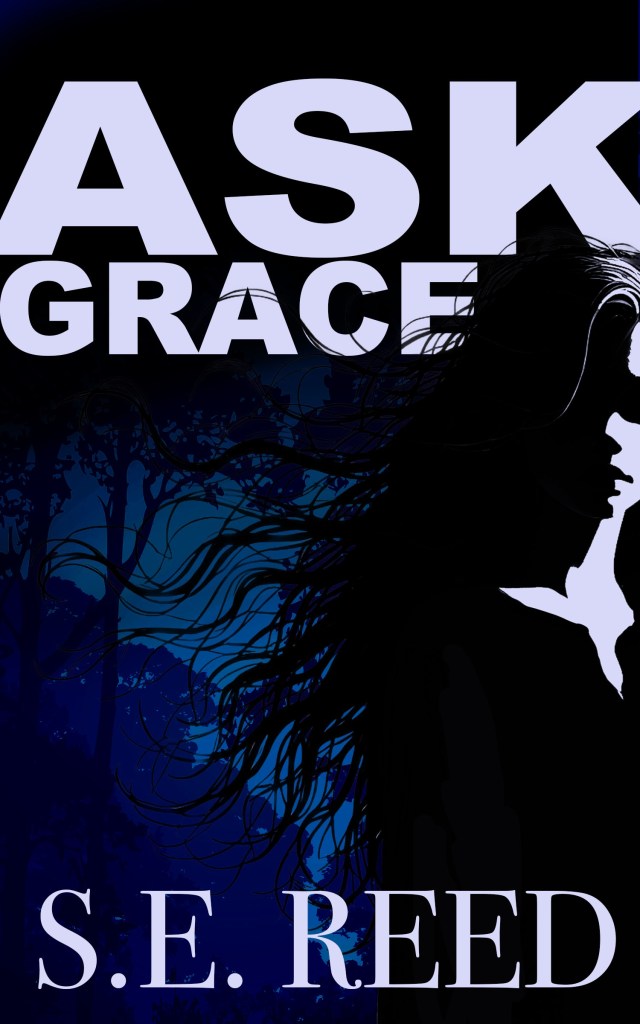
Grace Everly is not friends with her next door neighbor Gloria Sanchez. So when Gloria goes missing, and the only clue leads back to Grace, tensions run high! Seth, Grace’s boyfriend, goes missing, putting an even bigger target on her–and she starts experiencing stress-induced flashbacks of a kidnapping scene right out of some campy horror flick. Armed with new clues, Grace and her friends race against time to find Gloria and Seth, before the rotten-faced man from her memories turns Richmond Hill into a real life horror movie.

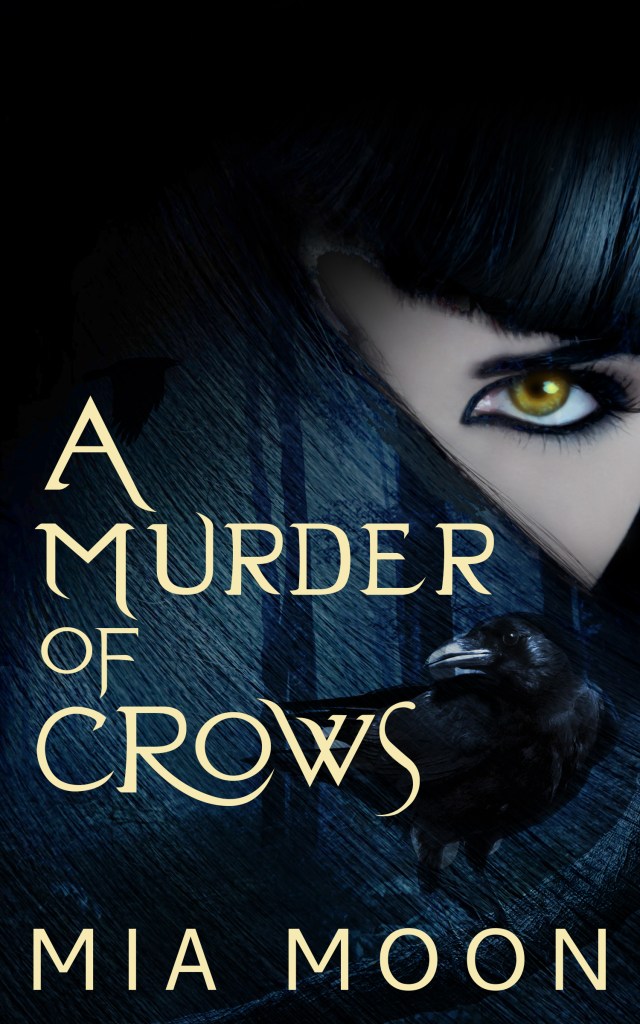
Ember Wildes comes from a family of witches. After the death of her mother, it was the right time to start a new life and learn more about the craft that her grandmother had taught her as a child. But a dark evil has befallen the town, leaving the bodies of murdered women on its shores.  After settling in town, Ember learns of these horrible murders and quickly finds herself at the center of the mystery.

If you want to read about mythical creatures, these are your perfect Fall picks:

Olivia Beckett has lived through thousands of lifetimes, dispatching miscreant supernatural creatures alongside her sisters as the mythological trio of Furies. Memories of her past lives begin to appear and haunt her, and she starts questioning everything she thought she knew about her life and her duty. In the midst of a brewing war between the factions of Creatures, Olivia goes against all the rules and falls in love with a human, only to realize he may be connected to her mysterious past. Can she have it all, or will she have to make the ultimate sacrifice in order to stop the war?

Caiden is a 200 year old vampire who has been dropped into a walled-off prison city for the world’s fantasy creatures. In his time there he will work with a courageous leader of rag tag elves, an ambitious warrior vampire, street-wise goblins, a hapless halfling, and finally a young and headstrong vampire girl called Alma.

After you’ve finished these fall reads, Winter will be just around the corner. Winter is full of snow, love, and holiday adventures. Here are our Winter picks:

After being roped into spending Christmas with her best friends and her alluring ex, Thando finds herself questioning her holiday spirit. For Jimmy Warner, Christmas means cold beers and comfort food, but reuniting with the captivating, yet prickly, Thando ignites memories of a fiery weekend they once shared. Pretty Unexpected is a Christmas romance novella weaved with drama, friendship, and wrapped in a touch of holiday magic.

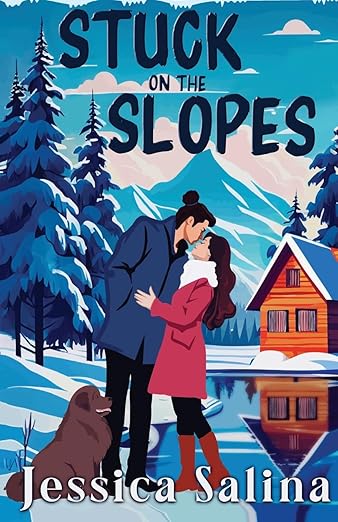
The cabin is heating up in this romantic comedy as a pro-athlete and corporate marketer dodge the tabloids and save a ski lodge. Professional athlete Juniper Hart was forced into retirement after a permanent injury. He acquired a failed Colorado ski lodge. Rachel Friedman looking for a raise begins working at the resort and begins to wonder if this was the right choice. Rachel needs to thaw Juniper’s icy heart so they can work together to save the lodge.

After the holidays, warmth seeps in and so begins Spring. Spring gives warmth of love and new beginnings. Any book can be read in Spring, but here is our choice of a Spring book:

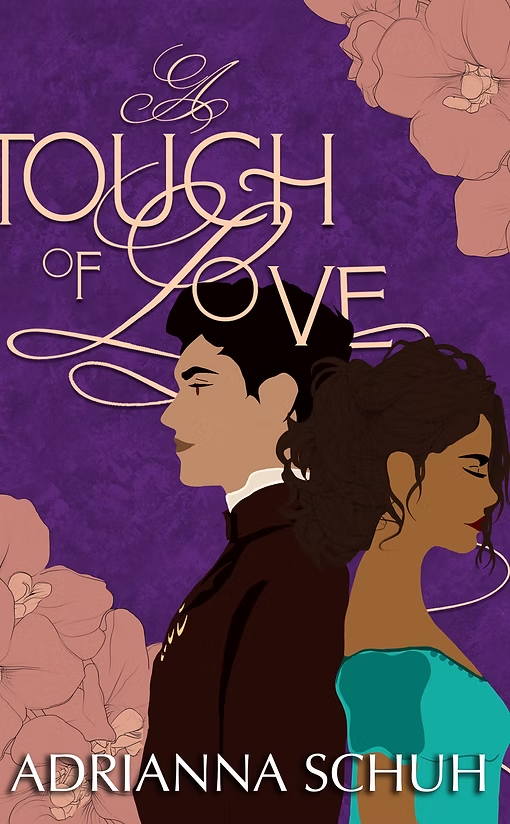
Set in 1890s New York, Elijah Jameson inherits a steel fortune, a fancy townhouse, and a free pass to enter New York City high society. While he doesn’t want this, he needs the position to give his sister the best life. Isabella Marin is a pushy and stubborn socialite who wants nothing more than to be far away from the social season. Instead of finding a suitable husband, she is locked in verbal sparring matches with Elijah Jameson, the boy she left in another life. No matter how much she likes Elijah, Isabella knows they can never be together. If he knew what she’d done, he would never look at her the same. Even though Elijah has fallen for Isabella, society will never see them as equals.

Adding a little more warmth into your life, here are our Summer picks:

Sixteen-year-old Ivey Des Jardins knows her summer is going to suck. Rather than working with her friends at a local Florida boutique, she’s been sent to Walloon Lake, Michigan, to work at her Aunt Lauren’s summer shop where she meets her handsome coworker, Rafe Torres,  and discovers a devastating family secret. Rafe has his own secrets that threaten his new romance with Ivey. With her Aunt Lauren grief-stricken, Ivey takes on the summer shop and sets out to solve her family’s mystery. But there are people who don’t want this mystery solved, and they’re on Ivey’s trail.

Getting to Know Wild Ink Author A.M. Hayden

Getting to Know Wild Ink Author A.M. Hayden

By Emily Groff,
WIP Literary Analyst

A.M Hayden does it all. To her students at Sinclair College she is a professor. To her family she is a mother and wife. To her home community she is a farmer. To us, she is an author.

“Naps are the glue that holds my life together,” said Hayden.

Hayden has previously published a full-length collection of poems titled American Saunter: Poems of the U.S. and had begun to work on a second full-length collection depicting her travels in Europe. This collection came to a halt after a family visit to South Carolina. This is where How to Tie Tobacco began.

1. Tell us what How to Tie Tobacco is about.

During my trip to South Carolina, I was hearing all the stories told, and I just couldn’t stop thinking about them, and knew there were poems in them. I started taking notes on my phone on the drive back, and then when we got home, I wrote a draft for How to Tie Tobacco within 3 weeks. It’s the fastest I’ve ever written something.  It just all felt like it fell out, just coursed right through me, in several forms of poetry and prose, all inspired by stories, photographs, and handwritten notes from my southern grandmothers, great-grandmothers, and other matriarchs of the family.  Hearing all their humorous tales, life’s trials and tribulations, I was in awe of the strength the women in my family had/have.

2.  What made you want to write in poetry? Do you find poetry more compelling?

I have always loved to write poetry, ever since I was a kid.  I think watching Dead Poets Society at around 11 years old not only made me want to be a teacher, but also solidified my love of poetry and gave me the passion for it. 

Through poetry I feel I can reach further, stretch beyond the horizon, get to those spaces in between, expressing these connections and emotions with a different kind of freedom from academic teaching and writing.  The forms, style, and subject matter of my poems vary. However, they share a passionate commitment to observe, to sit still and listen, to learn, to make connections, and to express what it is to breathe, live, and engage with life in all its diverse formations, to cultivate a new, widened perspective of the natural world and the diverse people in living in it.   Poetry is pure expression and allows me to create and contribute in a way nothing else quite does. 

3. How do you get the idea to write these poetry collections?

I call this the “Antenna.” I think listening/paying attention for the spark/imagery/idea is such an important part of it. And for this, we’ve got to quiet some other things down sometimes, which can be difficult.  So much of my poetry often comes to me while I’m driving or right before bed.  I love embracing the entire process, from this “receiving” or “collecting” I sometimes call it, then the piecing together, the story building, finding the right form/format/container, the polishing/editing, and finally, the reading out loud and/or performing/publishing the piece. I feel like there’s so much sacred energy and fulfillment in both the culmination, but truly, also the magic of the process. I love how Mary Oliver says writing is two parts: 1) Magic Spirit Experience 2)The Practice/Craft. I really agree with this.

As far as content, the focus for me the last few years has been getting into writing all the traveling I’ve done. But, I also love to write about nature and my dog and pretty much everything! I love stories and getting into the marrow/authentic mojo of someone’s experience.

4. Is there a common theme or genre that you tend to write in?

Definitely the “travelogue” style so far, but I will be expanding as I’ve got a lot of books in me on a lot of different subjects. The courses I teach — Philosophy, World Religions, Environmental Ethics, and Native Studies —also significantly influence my work. I enjoy rooting in these themes when writing, engaging respectfully with different views, examining our assumptions, cultivating mindfulness of history, sacred space, ritual, ceremony, architecture, music, art, etc., ultimately understanding each other, and ourselves, better.

5. When did you first begin writing, and what got you interested in writing?

I received a diary at Christmas when I was five (from one of the southern aunts, serendipitously enough!) and that’s when I began writing…and never stopped.  Also, I LOVED my little rural library. It was just a little old building with green carpet, very 70s, and had a musty, old book smell, which I loved and I remember getting so excited to pick out a few books for each weekend, sometimes reading my favorites over and over again, a lot of Beverly Cleary and Judy Blume.

6. What is your writing process like? Do you have any particular tips, methods or writing strategies that help you?

  • Listen for and pay attention to inspiration
  • Trust your instincts/intuition with what comes to you
  • Make room in your brain for the writing and editing
  • Write, send the piece out, let it go. Rinse, repeat.
  • Do not give up!
  • Be kind and open to rejection or feedback.
  • Don’t be afraid to write in form.
  • Write down your ideas all the time–even if on a napkin!
  • Allow for stillness and observation–don’t miss the inspiration!

7. Tell us a fun fact about you!

I have many rescues, including rescue pigs, goats, chickens, two dogs and two cats.  Our two dogs are both special needs – one is completely blind (has no eyes) and only has three legs and the other is completely deaf and mostly blind. They are both amazing dogs! I also REALLY love El Caminoes and dream of having one someday.

Purchase How to Tie Tobacco here.

Epicurus On Writing

Epicurus On Writing

By Anthony David Vernon

Epicurus is perhaps one of the most misunderstood philosophers and writers. He was a man of simple pleasure mistaken for a hedonist, and his writing resume is usually reduced to one work, The Art of Happiness. This is partly because the vast majority of his work did not survive, but “Estimates claim that Epicurus wrote over 300 works during his lifetime.”[1] Nonetheless, this all has led to Epicurus being an underestimated writer. But, Epicurus, in the fragments we have from him, presents quite useful pieces of writing advice.

Epicurus speaks to his writing, stating, “I write this not for the many, but for you; indeed, each of us is enough of an audience for the other.”[2] Epicurus points out that writing is always between the writer and a single reader. Too often, writers focus on a potential mass of readers instead of focusing on the fact that is is always one reader engaging with a work of writing. Even if a work of writing is being read aloud to a crowd, each reader is having a personal engagement with a given piece. When writing, imagine that there will only be one reader of your work, this will allow your writing to be more intimate. For Epicurus, writers are too concerned with having mass appeal and so lose out on emotionality. This is not to say that writing for one person cannot appeal to the many, quite the opposite, personal works possess personality.

The above quote from Epicurus also teaches another writing lesson: a writer should be happy that they have readers at all instead of being worried that they do not have enough readers. As the proverb sometimes goes, expectation is the thief of joy, and writers often suffer from expectation. Having a quantity of readership expectations can kill the writing process because it shifts the writer away from the joyful intimacy of writing into mass expectations that can never be actualized. A writer can never fully know who their readers will be or how their writing will be interpreted. Thus, a writer at any level should write with the satisfaction of knowing that they even have the potential of having a single reader.  

Epicurus also states, “Writing presents no difficulties to those who do not aim at a constantly changing standard.”[3] What Epicurus means by this is many-fold, but for one, Epicurus is advising writers not to worry about writing trends. For Epicurus, it is more important for a writer to hone in on their style rather than the style of the day. If one writes as themselves, they will not struggle to be as themselves. Meanwhile, it is a struggle to fake a writing style that is not one’s own to wear sheep’s clothing.

In addition, for Epicurus, writing should be an act of personal ease, not an uphill battle, but instead a demonstration of a self-constant standard. This means that writers should not set shifting goals but instead aim for one simple goal. What this goal is depends on the writer. However, a writer should pick a goal that at least rarely shifts and ideally is a constant.

Likely, a great deal of writing wisdom was lost among Epicurs’ missing works. Still, what we hold from Epicurus is extremely limited, it holds depth both mentioned and not touched upon. This is part of the greatness of Epicurus; a writer can dig for inexhaustible writing advice from Epicurs with examination.


[1] https://www.thecollector.com/epicurus-on-the-values-of-family-and-friendship/

[2] https://marxists.architexturez.net/archive/marx/works/1839/notebook/ch05.htm

[3] https://www.attalus.org/translate/epicurus.html

Written by Anthony David Vernon

Author’s Bio

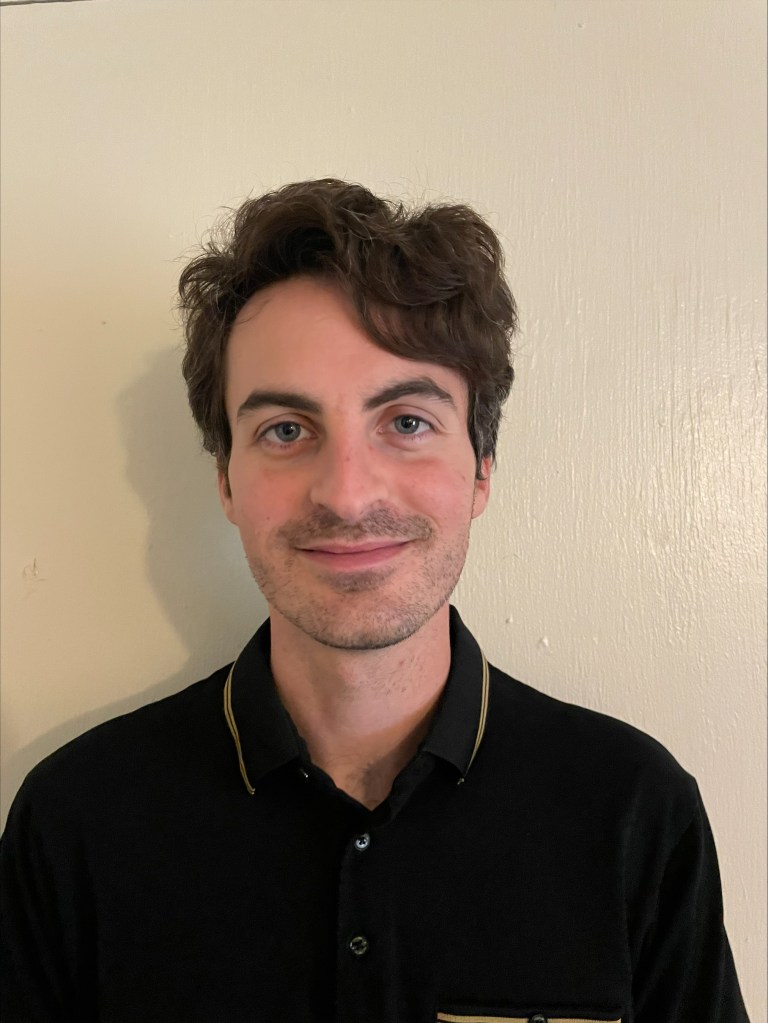
Anthony David Vernon mainly writes poetry and philosophical articles when he is not walking trails.

Education: 

Oklahoma State University MFA

Publications & Prizes

Anthology: 

Faery Flying: The Art of Self Care (Fae Corps Publishing, 2023)

Book: 

The Assumption Of Death (Alien Buddha Press, 2022)

Journals: 

Apocalypse Confidential

Beautiful Space: A Journal of Mind, Art and Poetry

Brief Wilderness

Conceptions Southwest

Poetry Super Highway

Synchronized Chaos

The Drabble

The Literary Yard

Unlikely Stories

ZiN Daily

Prizes won: 

Pushcart Prize Nominee 2022 for “Guilt is a Pleasure” nominated by Alien Buddha Press

Taming Your Inner Dragon

Taming Your Inner Dragon

By Sheelagh Aston

Writing can be brutal. Take the mantra kill your darlings. First mentioned in Arthur Quiller-Couch in On the Art of Writing in 1916 but often attributed to William Faulkner. As writers, we tear our writing apart repeatedly, boil down our precious words we have poured blood, sweat and tears over to produce to a fine honed piece of work a reader can immerse themselves.

The gem above was aimed at encouraging writers to view their work objectively – to omit words, passages, sentences or even characters that hindered the flow of the story. Here an editor can be a valuable alley to a writer. Being open to constructive criticism over your work can and often does add value to the quality of the final product.

But what about that inner critic – the one inside your head?

Say hello to your inner dragon.

The one that looks over your shoulder as you read other writer’s work and tells you ‘You’re not half as good as them, you’re kidding yourself with this writing lark.’ The one when you look at words you painstakingly wrought out of your head the day before, only allows you to see the purple prose, plot holes and complicated sentences. The condition it causes is imposter’s syndrome.

The good news is ever writer has one – and I mean every writer. Our inner dragon is like Philip Pulman’s daemon in The Dark Materials. They have a voice, know you  so well they reflect your own doubts over your writing. Most of all, they mirror our ability to sabotage ourselves if not properly tamed.

What can be done to tame this beast of doubt? What follows are suggestion based on the own battle with mine own dragon.

  • Acknowledge they exist. Like the imagery monster under the bed, once we admit it is there, it become less scary. This will also help you take ownership of your self-doubt and control your inner critical eye.
  • Read other’s work but do not compare yourself to them. Try to learn from them – what makes that character you just love/hate work?  How do they hold your attention? Then remember the ‘why’ when you come to your own work – e.g the saggy bit in your story – how did X keep the pace going so consistently?
  • Find a positive writing buddy, group, or mentor. Individuals who will give constructive feedback who will point out the good stuff along with the bits that need working – and offer suggestions to resolve them. People you can share hopes, favourite books/writers or just hang out with whether it is online, WhatsApp/FB or face-to-face.
  • Learn the difference between constructive criticism and unhelpful criticism. Take on board the first (see above) and ignore the other. A person is entitled to not like something but if they cannot explain why they do not like it, it is not helpful criticism.
  • Be prepared to accept disappointment and setbacks. You are not going to win or be shortlisted for every competition or award you enter. Not everything you write will see the light of day. Many well-known authors have spent years in the wilderness before they became well known. It is no reflection on you as a writer.
  • Switch off your critical editor when you are writing 1st drafts. They are meant to be messy. Train your dragon to take a nap then.
  • When editing and your dragon speaks – listen to it. They may have a point about that scene you have been wrestling with and they could even supply the answer to fix it.

Tempting at it might be you do not need to kill your dragon, just tame it. As a tamed dragon, you will have a valuable writing tool to help you as a writer.

Kill your darlings if you can but not your dragon.

Sheelagh is a freelance writer and blogger. Her contemporary suspense novel, In-Between Girl, will be published in November by Resolute Books. You can follow Sheelagh at @aston_sheelagh,  www.sheelaghaston.com

UnCensored Ink Interview – Riley Kilmore

UnCensored Ink Interview – Riley Kilmore

Hey everyone, 

Ian Tan here, lead editor and project coordinator of UnCensored Ink: A Banned Book Inspired Anthology, set to release this October 29. Here is the UnCensored Ink interview series to introduce you all to the incredible writers, as well as the local bookstores and libraries that gave them safe, creative spaces. Hopefully, you can put these incredible places on your to-visit list and feel inspired to support your own local bookstore, library, and indie authors.

Today, I’m with Riley Kilmore from Pennsylvania.

  1. You’ve written a fine piece for UnCensored Ink: A Banned Book-Inspired Anthology. Can you give us a synopsis? How did the idea for this piece come about?

An inquisitive farm boy in 1940s Appalachia encounters a peddler surreptitiously distributing banned books and is given a copy of John Steinbeck’s Grapes of Wrath.

Prior to writing The Tinker, I’d finished reading Ann Pancake’s Strange As This Weather Has Been, about an Appalachian family struggling in the shadow of exploitative mountain top mining. Pancake’s book was the 2023 One Voice One West Virgina Read, and she was the Appalachian Heritage Writer In Residence that same year. 

I was taking some Appalachian Studies classes at Shepherd University at the time, so I entered a (different) piece in the 2023 West Virginia Fiction Competition, which she judged, and I won. So her novel and body of work definitely inspired me. 

My winning piece, Mother, May I?—about a disillusioned Catholic caught in a Twilight-Zone-esque liminal space (a western Pennsylvanian convent-cum-Bread & Breakfast run by a handful of aging nuns)—appears in the 2024 Anthology of Appalachian Writers along with five of my photographs which were also selected for inclusion.

I originally wrote The Tinker as my entry piece for the 2024 West Virgina Fiction Competition, but didn’t place. However my sister, playwright DW Gregory (Radium Girls) did win this year! In fact, she also won the 2022 competition.

  1. Now, we would love to know you more! What do you enjoy doing in your free time, what is your favorite book quote, and how did you get into reading and writing?

Well, I used to run a lot in my spare time. That’s when I’d compose stories in my head that I’d later put to paper. Now, though, I mostly walk, but it’s still my “composition” time. 

As for a fav book quote, I have to wonder if any reader or author can honestly pick just one. I certainly can’t. So I’ll leave you with a quote from my 2024 debut middle grade adventure, Shay The Brave, which champions friendship, the courage to be your authentic self, and vegetarianism: “One is wise to hunger for friendship, but a fool to hunger for friends—no matter how good they may taste.”

That third part of your question begs a twist: how did reading and writing got into me?

I credit several things. One of them is a mother who made weekly trips to our local public library a part of our childhood. She also subscribed to numerous magazines—Time, Post, Life, National Geographic—and to the local papers, so that there was always current event news and information at our fingertips along with all the books containing fiction and poetry that were shelved right in our attic bedroom.

Another possibility is an inborn propensity for it—as in, “is there a writing gene?”—since I’m one of nine kids and the majority write, along with some in the next generation, as well. Not all are published, but I mentioned my award-winning playwright sister above, and our oldest sister’s debut novel just came out this year as well: The Bomber Jacket by K.M. King, also available from Wild Ink Publishing.

  1. Do you have a favorite local library or bookstore? Also can you remember bookstores and libraries from your childhood, if they are not the same as the ones now? 

I grew up in Lititz, PA, so my fav public library was, of course, the Lititz Public Library.

When I was born the library was set up in the old ballroom of the famous General Sutter Inn. From there it moved to an old house further down South Broad Street from our own place. That was my favorite location of the library because it was a house my parents almost bought, themselves, before deciding on the one I grew up in. So I loved imagining it being our family home when I’d go there and check out books each week.

The bedrooms—which weren’t accessible to the general public but which I and my sisters convinced the librarians to show us—had an ancient intercom system, which was really fascinating. After that we not only frequently imagined what it would have been like growing up there, but imagined calling back and forth to one another via those old intercoms. It certainly would have leveled-up Earl Hamner’s notion of simply shouting out “Good night, John-boy; Good night, Mary Ellen!”

The only “book store” in town back then—or what we called the bookstore—was Bell’s Bookstore on Main Street, only it was more of an early rendition of Staples marries a Hallmark Card shop. Lots of office supplies and cards, but not too much in the way of books. I loved to wander around in there when I was growing up, but Lititz today has a genuine book store and a great one, at that: Aaron’s Books.

It’s great for a host of reasons, but of course one of them is that they stock copies of Shay The Brave. Copies of Shay The Brave are also available at another Lancaster County indie book seller, which is the delightful Pocket Books Shop. 

  1. What do you have to say on the importance of sustaining bookstores and libraries?

Libraries launch imaginations. Towns without a library are like clipper ships without sails: sure, they can stay afloat, but their citizens aren’t apt to take in distant horizons, eh? And librarians? Well, they’re the captains who keep us on course—always sailing forward, never aft.

  1. Do you have any projects that your current and future readers can look forward to?

You bet! Check out my website, www.rileykilmore.com for updates, but here’s what’s in the offing: a companion workbook to Shay The Brave called Share With Shay, which uses prompts from the original adventure to encourage kids to do a little deep thinking of their own on important issues; a sequel to Shay The Brave called Alexy, Strong and Silent, which follows Shay’s sidekick from the first book into his own adventure of personal growth while simultaneously—just like Shay—redeeming others.

  1. Lastly, what platforms can we find you? (Social media and websites are all encouraged, this is to highlight and champion you guys)

Besides my author website listed above, readers friends can find me on facebook, on Instagram, on Twitter, and at my own Substack, where I write the (generally) weekly Monday Morning Literary Bric-a-Brac to which they can subscribe for free.

Map indicating Pennsylvania

Well, that was Riley Kilmore, everyone. It’s time to take a trip across the pond to the United Kingdom.

Riley Kilmore earned an MFA in Writing Popular Fiction from Seton Hill University in 2022. Her award-winning poetry and short fiction have appeared in numerous anthologies. Her debut novel, Shay the Brave, a middle-grade fantasy, is available from Wild Ink Publishing. A twenty-year veteran of the fire service, Kilmore has leaped from airplanes, sailed the world, been a cop, and braved the life of a homeschool mom. She resides on a sequestered mountainside farm in south central Pennsyltucky with one horse, one cat, a dancing goat, a beer-guzzling hound, and her husband of 36 years.

Purchase UnCensored Ink at Barnes & Noble
Purchase UnCensored Ink at Amazon

Getting to Know Wild Ink Author William J. Connell

Getting to Know Wild Ink Author William J. Connell

by Bruce Buchanan

To the legal community, William J. Connell is an experienced attorney who works within the education and government sectors throughout Rhode Island and Massachusetts. To his students, he’s an adjunct professor at the Roger Williams University School of Law, where he shares his real-world legal experience with other aspiring attorneys.  To his home community, he is a member of the School Committee.

But readers know another side of William: The author. Despite his busy career, he has become a prolific short story writer and on November 27, 2024, , his debut novel, MASK OF DEATH, will be released by Wild Ink Publishing.

Set during Europe’s Middle Ages, MASK OF DEATH reexamines and expands upon the classic Edgar Allan Poe Short story “The Masque of the Red Death”. Prince Prospero. his wife, Elizabeth, and Clarinda, Prospero’s younger mistress, already face the real-life horrors of the black plague and widespread famine. Now, add supernatural terrors to that list in the form of “fleshers”—undead creatures who feast on the living – and you have the start of the novel.

1. When did you first get interested in writing? And what got you interested?

“I’ve always liked to write. In high school, I wrote a book, but didn’t publish it. But I enjoy writing. I’ve done writing for law journals, but  I really like fiction.

When I’m writing, I’m in the moment, just thinking about the characters and plot. It helps me focus and I find it engaging. For example, I spent last Sunday working on a complaint for a client. It’s rewarding, of course, but it’s not as energizing as writing a story.

2. Tell us a bit about Mask of Death. You say, “It’s not the story you think you know” – in what way (without giving too much away, of course!)

I have to thank Wild Ink Publishing for that line (and also give a reminder to my students, proper attribution is important). This story grew not only out of the Edgar Allan Poe story, but also my love for Clint Eastwood westerns and old zombie movies. I also used to teach world history, and I’ve long been interested in the Black Plague period, particularly in Europe. How did mankind survive? How hard must life have been then.

I thought, ‘What a fascinating time to set a novel. You could tell a lot of stories set during that time.” In my book, Clarinda is Prospero’s mistress.  She and plants some of ideas that set the main action in motion. But what to do with Prospero’s wife, Elizabeth? That’s a key question. I take some elements from “The Masque of the Red Death” and expand on them. I also read fiction written during or shortly after the Black Death period, particularly “The Decameron “by Giovanni Boccaccio.  My novel tells about the events leading up to and beyond Prospero’s story.  We also might glimpse what started this plague. The story is complete, but it also leads right into another. 

Also, this will be a three-book series. I’m already working on the sequels.  

3. You are an attorney as well as a writer. How do you balance such a demanding career with your passion for writing fiction?

It’s hard—you have to be committed to writing. Sometimes, I feel like I’m spread thinner than I want to me. But I want to write, and I enjoy it.

4. What is your writing process like? Do you have any particular tips or methods that help you?

“My writing process really depends on my schedule, but I like to get ideas from reading and watching movies, or just running outside. I see something I like, and I’ll take it in a different direction. Some of my horror stories have come after reading Poe or Lovecraft—I’ll take an element from one of those stories and flip it around.  I try to create the stories I’d like to see and read.”

5. Finally, tell us about Lulu, the ped bird in your author photo!

My daughter Amanda has always been a bird person, and she adopted Lulu as a rescue bird from the Rhode Island Parrot Rescue. For anyone looking for a pet, I’d encourage you to consider adopting a rescue animal. Lulu is a handful, but she loves attention and being on camera.  We can’t get over how fast she adjusted to us!

Click here to pre-order Mask of Death

UnCensored Ink Interview – S.E. Reed

UnCensored Ink Interview – S.E. Reed

Hey everyone, 

Ian Tan here, lead editor and project coordinator of UnCensored Ink: A Banned Book Inspired Anthology, set to release this October 29. Here is the UnCensored Ink interview series to introduce you all to the incredible writers, as well as the local bookstores and libraries that gave them safe creative spaces. Hopefully you can put these incredible places on your to-visit list, and feel inspired to support your own local bookstore, library and indie authors.

Today I am with S. E. Reed. She writes strange, haunting, real stories of people and places along old highways. Winner of the 2024 Florida Book Awards and the 2024 Paterson Prize for Books for Young People.Additionally, she’s been nominated for a Pushcart Prize and won honorable mention twice in L. Ron Hubbard’s Writers of the Future Contest.

Her short stories have been featured by The Writer’s Workout, SEMO Press, Parhelion Lit, The Writers’ Co-op, Wild Ink Publishing, Hey Hey Books, and Tempered Rune’s Press. 

1. You’ve written a fine piece for UnCensored Ink: A Banned Book Inspired Anthology. Can you give us a synopsis? How did the idea for this piece come about?

Thank you! Sure thing! So my story, Swamp Religion, is set in the Florida Everglades during the Great Depression at a religious tent revival. Christian Evangelism was rampant during the late 1920’s and 30’s, as people were desperate to find meaning and hope when they’d lost everything. I’ve always been fascinated with this time period, and thought to explore the zealous nature of it in conjunction with banning books, also exploring how time repeats itself. What was happening a hundred years ago is eerily familiar to today.  

2. Now, we would love to know you more! What do you enjoy doing in your free time, what is your favorite book quote, and how did you get into reading and writing?

To be honest, I spend most of my free time reading and writing or watching interesting shows on TV. One of my guilty pleasure shows is Survivor, so I’m anxiously awaiting for the new season to start. I think my favorite book quote is from J.R.R. Tolkien, the Riddle of Strider, specifically the line, ‘not all those who wander are lost.’ I actually use that quote in my novel, My Heart is Hurting

3. Do you have a favorite local library or bookstore? Also can you remember bookstores and libraries from your childhood, if they are not the same as the ones now? 

I love all libraries and bookstores!! I search them out wherever I go. But, one of my favorite finds are books at antique stores. As a child I loved collecting vintage first edition Bobbsey Twins books by Laura Lee Hope. Interesting fact, Laura Lee Hope was a pseudonym for a group of authors that wrote the series created by Edward Stratemeyer. Stratemeyer also wrote the Hardy Boys and Nancy Drew and sold over 500 million books (yes, really). 

4. Tell us more about this bookstore/library. What do you love most about it? 

Well, I just love all bookstores and libraries as I mentioned above. So I don’t have any one specifically to share. I’ve lived in 8 states across the U.S. and been to many, many bookstores and libraries. I will say, as a teenager, I was fortunate enough to go on a school trip to England. This was back in the late 90’s. And when I was there, I fell in love with Hatchards bookshop on Piccadilly, which is the oldest bookseller in London. 

5. What do you have to say on the importance of sustaining bookstores and libraries?

I’ve always found bookstores and libraries places to spend time, not just to walk in, quickly conduct the business of finding what I want and leaving. Generally, they are warm and cozy and inviting, staffed by other bibliophiles. I’ve spent hundreds of hours in libraries. While studying at college, or using the computers, or researching history, or listening to author chats. In my opinion, the loss of physical spaces for books would be a tragedy and we should do everything in our power to maintain them. 

6. Do you have any projects that your current and future readers can look forward to?

Yes, well, I have three books out now that readers can purchase. And upcoming, I have five novels set to release during ‘25 and ‘26. My books can be found anywhere books are sold online, or you can request a copy at your local library. 

7. Lastly, what platforms can we find you? (Social media and websites are all encouraged, this is to highlight and champion you guys)

My website is www.writingwithreed.com and I’m on X @writingwithreed 

Map indicating Florida

Well, that’s S. E. Reed, everyone! We have one last author to meet before we head out of Florida and the East Coast, and this one is responsible for coming up with the idea for the anthology, so I’m pumped! Stay tuned!

Preorder UnCensored Ink at Barnes & Noble

Preorder UnCensored Ink at Amazon