Tag: book-review

Talking with William J. Connell

Talking with William J. Connell

by Abigail Wild and William J. Connell

What sparked the idea for your current Wild Ink book?

    My current book is “Masks of Death.” The idea for it came from people who read drafts of my upcoming book, “Race with the Black Death.” People liked “Race” but had questions about the protagonists and the events leading up to the story. I thought I had set up enough hints about the past, but when I discussed it with friends, they suggested it could be its own story.  Thus, Masks of Death was started!

    How do you approach writing on days when inspiration feels thin?

    Different ways. Sometimes I put it aside and address my legal work, or exercise, or have fun with family.  Basically, walk away from writing fiction.  If I have stretches with “Writer’s Block,” then I might sit down and start writing a scene that is clear in my mind.  Doing that often helps me work both forwards and backwards around the scene. At that point, the story will write itself.

    What part of your book changed the most during revision, and why?

    In both books, it was the characterization of the protagonist turned antagonist, Elizabeth Malatesta. She is a sentient flesh eater, what is called a “Zombie” in some circles. I envisioned her as a ruthless antagonist, and a bit crazed by her sickness. While writing the first book with backstory, I began to see her more as a person who was manipulated and conflicted.  Even when she’s turned into the full-on villain, I found moments to show she retains a shred of humanity.  I found what I think are interesting ways to show this. She is cold and calculating, but on occasion will show a sliver of mercy. Elizabeth  has a sense of fairness, but it is fairness from her viewpoint.

    What do you hope readers carry with them after finishing your work?

    I hope readers find these books to be exciting reads, and that they become immersed in the world of western Europe during the Black Death plague. The story is fictional, but I sprinkle it with known characters from literature of the period (all in the public domain, of course). The superstitious elements are fantastical, but I tried to depict what everyday life was really like during the period, along with the very real and frightening effects of what they called “The Great Mortality” – minus the fleshers, of course. 

    Is there a scene or moment in the book that feels closest to your heart?

    There is a scene where Elizabeth finds a young flesher, a girl, who is sentient, like Elizabeth, though not as strong. The child does not really accept she is “undead.” This is one of the scenes where Elizabeth shows traces of her humanity.  The child was going to disappear after the scene, but in writing it, she became too strong a character. She remained a significant secondary character throughout the book (and if I am not giving too much away, she is there I the third and final book as well).

    What book or writer shaped your voice in a way you still notice?

    Really hard to pick one. I am fascinated by supernatural/horror themed stories set in the past, like “The Masque of the Red Death.” I think the books in the “Black Death Tales” series are influenced by Edgar Allan Poe and Giovanni Bocaccio, who wrote “The Decameron.” That book is a collection of stories written during the time of the plague and offers fascinating insights into life during that time.

    What are you working on now, and how is it taking shape?

    I am working on the final edits for “Race with the Black Death.” I really love the action and pace of the story. There are two races going on with two distinct groups, both  of whom are just trying to survive as the plague spreads in a northwest direction. I hope readers like the world-building and get caught up with the characters! I also hope we get enough readers to bring the survivors back in Book 3, which concludes the “Black Death Tales” series!

    Meet William J. Connell here.

    A Chat with A.J. Hooks

    A Chat with A.J. Hooks

    When I first sat down with AJ Hooks to talk about Eugenesis: Inception, I felt that spark you get when a writer knows exactly what world they are building and is bold enough to follow it wherever it goes. His debut sweeps you into the life of Maria Guevara, a brilliant genetic engineer who finds herself pregnant under circumstances that refuse to make sense. One moment you’re in a quiet Spanish town, and the next you feel the walls shift around you as Maria realizes she is not alone, not safe, and not entirely in charge of her own future.

    Hooks writes with a confidence that caught my attention. He blends science with the unsettling tension of conspiracy. The story moves quickly, yet it lingers in your mind long after you close the book. I found myself leaning in as he described how the idea took shape. It started with a simple question about genetic engineering, and then it spiraled into a full exploration of legacy, secrecy, and how far people will go to shape the world in their image. You can purchase Eugenesis: Inception here.

    What sparked the idea for Eugenesis: Inception?

    Eugenesis: Inception grew out of my interest in what might be the dangers of bio/genetic engineering if it was used for nefarious ends and, more generally, the question of the nature of humanity in the face of accelerating technology. Also, I wanted to explore the complicated terrain of personal identity vs. family/group heritage.

    How do you approach writing on days when inspiration feels thin?

    When I get stuck I will first wait a day or two and take some walks in nature, as I feel it’s often the case that my unconscious is still chewing something over that’s not quite ready. If nothing comes after that, I will go to a separate table in a different room and start working on (or re-working) the outline for the next chapter or two. When I’m writing I feel more in a nonlinear flow (right brain?) state, almost letting the characters lead me on, but when outlining I’m more in a plotting/linear (left brain) state. If the writing is stuck or drifting, it helps sometimes to zoom back up to the overview and re-examine/re-arrange some skeletal plot and action points which I can use to then dive back in and guide my flow.

    What part of your book changed the most during revision, and why?

    The character arc of a secondary antagonist. I originally thought I would have him transform towards the end and fall in love with the main character. About a third of the way through the book that changed though, as I had developed a sympathetic supporting character and, as I was writing, it just seemed natural that he and the main character were drawn together and [SPOILER ALERT] ultimately fell in love. My lesson from that is often your characters and their emergent character development will sometimes lead you in story choices rather than the other way around.

    What do you hope readers carry with them after finishing your work?

    A curiosity about what it really means to be human and a realization that we will always need to be careful about how new technology is  deployed and used when humans are involved. Because there will almost always be misguided, or just plain bad, people that will eventually use it in the wrong way.

    Is there a scene or moment in the book that feels closest to your heart?

    Probably the climactic scene where the main antagonist [SPOILER ALERT] meets his end. It’s a scene imbued with historical parallels and irony, and happens in a place that I have personally  visited and where there are powerful, tragic historical echoes. It’s also a bittersweet scene because another character, one that we have been rooting for, [SPOILER ALERT] dies in the process of protecting the main character.

    What book or writer shaped your voice in a way you still notice?

    The narrative non-fiction of Hampton Sides (Blood & ThunderThe Wide, Wide Sea) and the novels of Stieg Larsson (The Girl With the Dragon Tattoo, etc.)

    What are you working on now, and how is it taking shape?

    I’ve recently finished the sequel to Eugenesis: Inception, and it’s with the editor and is targeted for a 2026 release. It’s called The Second Becoming. And I just started working on a collection of 3 short (~ 30 pages each) stories with a loosely unifying theme. I’m enjoying the challenge of distilling the essence of a story into a shorter format and writing in a different POV.

    I wanted to send a warm thank you to A.J. for these amazing answers. THANK YOU!

    Go check out A.J. Hooks here.

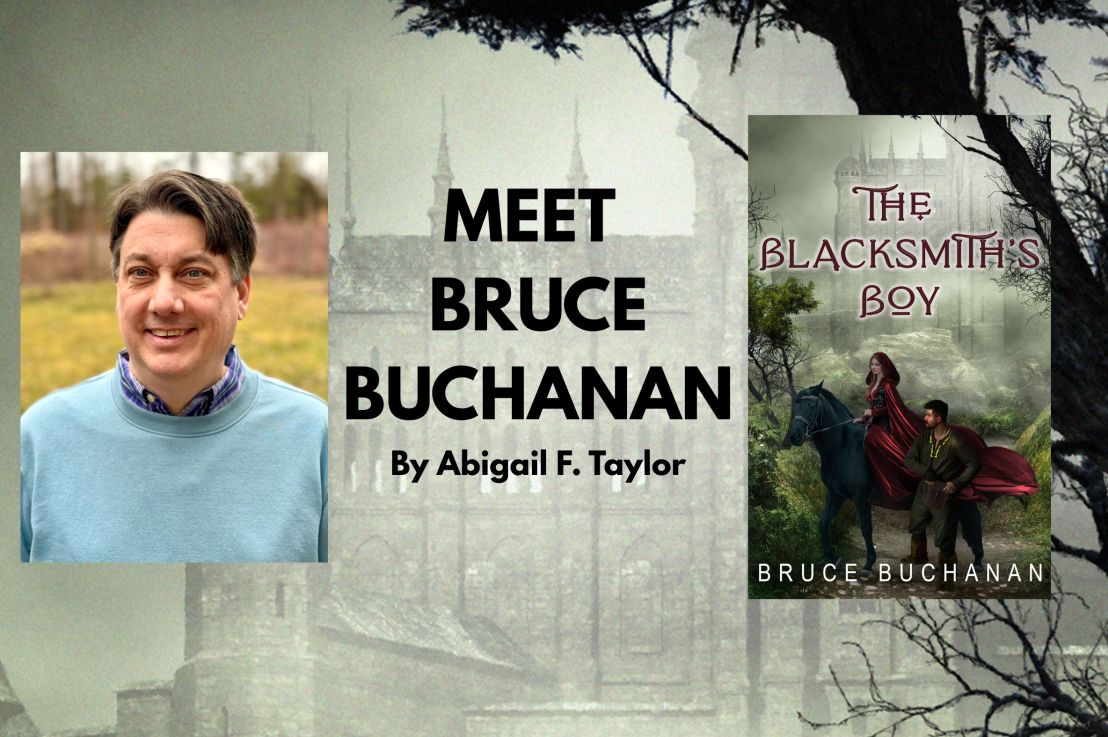
    Meet Bruce Buchanan

    Meet Bruce Buchanan

    By Abigail F. Taylor

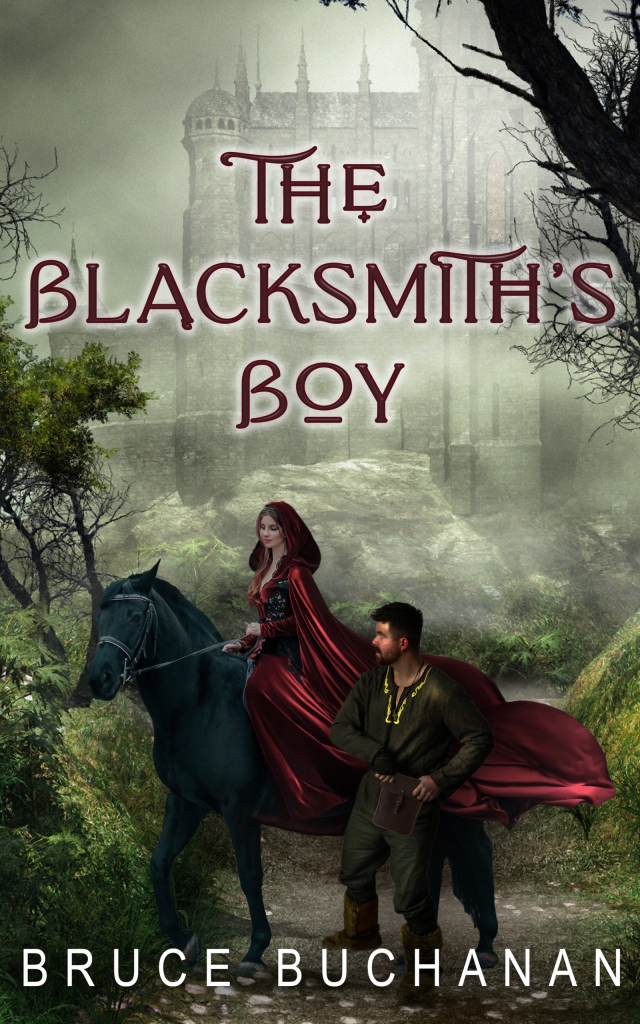
    In anticipation of his upcoming YA debut, I sat down with Bruce Buchanan, an Associated Press award-winning author. What unfolded was a fascinating chat into his process, the characters & worlds he creates, and how he made his start. His next two books, THE BLACKSMITH’S BOY and THE CERULEAN BLUR are both signed to Wild Ink Publishing.
    1. Do you remember the first story you wrote? How old were you?

    I’ve always loved making up stories as well as reading them. When I was in elementary school, I used to write and draw my own comics. Now, I’m a terrible artist, so I named my hero “Stickman” to explain why he and everyone in his world were stick figures. That’s all I could draw!

    2. In your upcoming novel, The Blacksmith’s Boy, Bok comes from the peasant class and later meets a friend in Isabella, who is a member of the royal family. How important does class play in the narrative, and how do you think it mirrors the growing divide in today’s society? 

    Class divisions are both a big plot point and a key theme of The Blacksmith’s Boy. In the fictional country of Imarina, people are born into one of three social classes: Noble, Landowning, or Serving. According to Imarina’s centuries-old laws, people in the Serving Class can only hold certain jobs and only own a small amount of land. Most notably, only members of the Noble Class can be born with the ability to perform High Magic—sorcery, in other words. At least, that’s what everyone in Imarina has been taught to believe.

    Bok comes from the lowest point on the social ladder. Isabella is literally at the top—she’s the Crown Princess. But circumstances throw them together, and they develop a deep and strong friendship. However, Bok is always aware of those class differences.
    Isabella is a reformer at heart. But her desire to make Imarina a fairer place for the Serving Class isn’t as easy to make real as she’d hoped. I’ve always thought that speculative fiction works best when it says something about the real world, and I think readers will understand those parallels when they read the book.

    But The Blacksmith’s Boy is first and foremost a fantasy adventure! The other stuff is there for those who want to think about it. But if you just want an exciting adventure, you’ll (hopefully!) find it here.

    3. Are there places in The Blacksmith’s Boy that you found difficult to write? How did you push through?

    Not so much scenes, but I originally had the idea for this book years ago! I started a draft when my son was young, and life got in the way. More to the point, I didn’t have the time management skills I needed to be a novelist then. I wrote a few chapters and some notes back then and put it aside.

    I came back to my unfinished (very) rough draft and notes in early 2023. I kept a little bit, changed a lot, and added a ton. This book has been through so many drafts and revisions, but I finally got it to where I’m happy with it. After all these years, I’m going to share my debut novel with the world. It honestly doesn’t seem real sometimes.

    4. You’ve written a fair few short stories as well. How do you know when a story will end up as a short or as a novel? 

    Good question! I don’t have a formula, really. It’s more of a gut feeling of, “How many words do I need to tell this story?” I do outlines before I start writing either a short story or a novel. But my novel outlines are much more detailed, for the simple fact there’s so much more to write.

    I like writing short stories as a break between bigger projects. You get that satisfying feeling of finishing a piece in just a few days, whereas a novel will take months (or longer).

    5. Your next novel, The Return of the Cerulean Blur, is set to hit the shelves next year! What challenges did you have transitioning from a high fantasy world to a modern-day one with superheroes? Would Bok and Isabella ever catch a drink with Susan Murphy, or would it be like Oil and Water?

    For starters, The Blacksmith’s Boy is written in third person past tense, while The Return of the Cerulean Blur is in first person present. So that was a change – as I wrote the second novel, I found myself slipping back into third person past because I’m so used to it.

    But The Return of the Cerulean Blur was a lot easier to write, because it is rooted in the real world. Susan Murphy is a parent, works at an office job, has to pay the bills, etc. These are things I certainly can relate to a lot more than being a Serving Class healer or a crown princess! 

    And I love the idea of Bok and Isabella meeting Susan for a drink. Despite the age gap (Susan is mid-40s, while Bok and Isabella are both 19), they’ve all had to look deeply inside themselves to figure out what they’re made of. And all three are genuinely good people who want to do right by others.

    6. The protagonists in your books are fighting against impossible odds. What would you like readers to take away from the experiences they’ll face? 

    To me, what makes a hero is their willingness to try to do the right thing, even when it is hard. Whether they succeed isn’t as important as the effort. Bok and his friends get put to the test. They fall short sometimes, but they learn and grow. Hopefully, readers will enjoy and appreciate the ride!

    7. What writing advice did you receive at a young age that has stayed with you throughout your journey?

    Keep writing. You only get better at writing by writing. It’s so easy to get discouraged, but don’t give up. You have stories to tell, and only you can tell them.

    Abigail F. Taylor, Texas Poet & Novelist.

    abigailftaylor.wordpress.com

    Getting to Know Wild Ink Author C.R. Reece

    Getting to Know Wild Ink Author C.R. Reece

    By Emily Groff

    Knowing you want to be a writer but fearing that you may not be good enough is exactly the thought that ran through Courtney (C.R.) Reece’s mind. While it took time to overcome her fear, she has officially become not only a writer, but a published author (one of the three things she loves). The other two are spending time outdoors and with her family.

    Courtney has three dogs, two beautiful daughters, and a loving husband. Her world is writing and being a stay-at-home mom. She was gifted in teaching high schoolers English, but loved spending time with her kids and writing more. It felt only right to be doing the things she loved most. Meet Me in the Woods is her first YA novel, and we can’t wait for you to read it.

    Tell us what your book Meet Me in the Woods is about.

      Meet Me in the Woods is about a teen girl, Lowen, who accidentally breaks an ancient curse that brings quite a few supernatural beings to her doorstep, including Sebastian and Wesley–two faces found in nineteenth-century photographs. She, along with two of her best friends, using alchemy, telepathy, and witchcraft, must figure out who is following Lowen and murdering teen girls who look just like her, before Lowen becomes the next victim. 

      How did you begin writing Meet Me in the Woods, and what gave you the idea?

        The idea came to me while hiking in the woods with my dog, Teddy. Being alone on the trails can be a little unsettling, so I let my mind play out my most outlandish daydreams. I would spend hours plotting while walking through the woods, and then would go home and draft those ideas.

        Why should readers read your book? What is your target reader for each book?

          I think readers will be surprised by the depth each of these characters encompasses. It truly is an ensemble cast of vulnerable, slightly broken souls who are still finding their own unique ways to care for others. This book is meant for young adults, 13-18. 

          What are you most excited about with the release of Meet Me in the Woods?

            I’m excited for readers to (hopefully) experience the quaint and slightly creepy town of Moon Creek the way I imagine it in my head. My hope is that someone will connect with one of these characters and feel a sense of being seen and valued in the process.

            When did you first know you wanted to start writing? What got you interested?

              If you ask my mother, she’d say I’ve known my entire life. As for me, it’s taken me a while to believe in myself enough to go for it. I’ve always had my nose in a book and have always written for myself, but only in the last few years have I pushed myself to write novels.

              What genre do you tend to write in? Does it differ from what you typically read?

                Meet Me in the Woods is a YA Paranormal Romance, but my second manuscript is Women’s Fiction with Speculative elements, and my third is an Adult Crossworlds Fantasy. All three may seem very different, but they all contain magic and all focus on women facing their literal and metaphorical ghosts. I love to read everything, but I am drawn to Fantasy and Women’s Fiction the most.

                What is your writing process like? Do you have any particular tips, methods, or writing strategies that help you?

                  I am definitely a panster, no matter how much I want to be a plotter. Even if I create an outline, I inevitably end up veering so far off course, so I’ve learned to embrace the magic of surprise. The method that works best for me is to write from beginning to end, giving myself a word goal each day. I use Save the Cat Beat Sheets to make sure I stay on course with a sound structure, and then I let ideas flow.

                  Tell me a fun fact about you.

                    I have eleven tattoos, and the orca on my arm is my favorite. 

                    Click here to find locations to purchase Meet Me in the Woods.

                    Learn more about Courtney (C.R.) Reece here, https://wild-ink-publishing.com/courtney-reece/

                    Meet S.E. Reed

                    Meet S.E. Reed

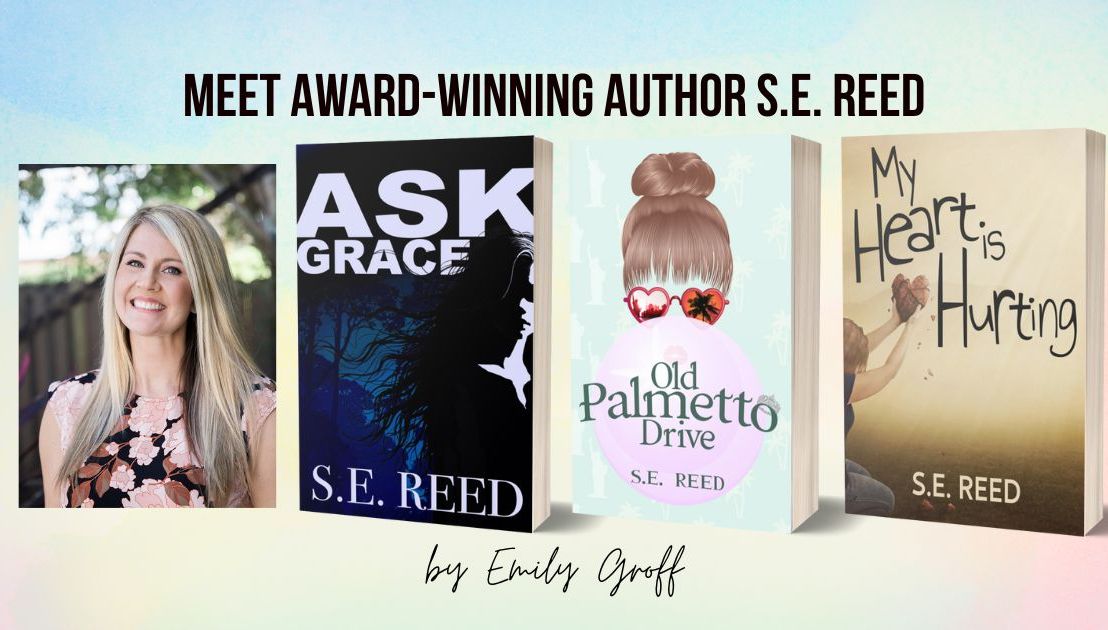
                    By Emily Groff

                    You may be wondering, “What is the best way to write a book?” The answer is simple: by doing. How do those two add up, you may ask? Inspiration. Doing is the inspiration– there is a setting, there is a plot, and there is an adventure. ‘Doing’ is the most impactful way to write a convincing story. Even if we know it’s fiction, we always live in that make-believe world, pretending it’s our own. So, do ‘it’, whatever ‘it’ is, and convince us that we are living ‘it’ too.

                    Doing for Reed takes multiple forms. S.E. Reed has lived in all five regions of the United States and has used her adventures to help her write, to help her craft. She does multiple jobs–cooking, teaching art, being a seamstress, being a swim coach, a healthcare administrator, and a wife and mother. Reed has lived multiple adventures in all the places and jobs she’s done. Can we say that these adventures, the truth she’s shared, are how she became a multi-award-winning author? Let’s find out in this interview with Wild Ink author Shelby (S.E.) Reed.

                    When did you first know you wanted to start writing? What got you interested?

                      I started writing stories in elementary school. I think my first “book” was about a cat. I’ve always been an avi reader and had a big imagination. So it makes sense that I use creative writing as a major outlet in my life.

                      Tell me about each of your books: My Heart is Hurting, Old Palmetto Drive, and Ask Grace

                        All three books feature a young, female protagonist facing a major hurdle in her life that she has to overcome.

                        •  In My Heart is Hurting, Jinny is brilliant, lonely, and looking for friends. It’s in the school bookclub that she finds her friends and a boyfriend she never knew she needed. But when her Mama spirals out of control and threatens her entire existence, it’s Jinny’s Everglade ancestors who arrive in a mist of magic, bringing the swamp and hope with them.
                        • In Old Palmetto Drive, Rian is fierce, spoiled, and learning how to fit into a new place. While Rian spends time in the Everglades with her cousins, Travis and Sam, and falls head over heels for vintage-loving Justine, she learns it isn’t just her mom keeping secrets. They’ve all got secrets too. Until one fateful night, the dark, murky waters of the swamp decide to tell the story about what really happened on Old Palmetto Drive.
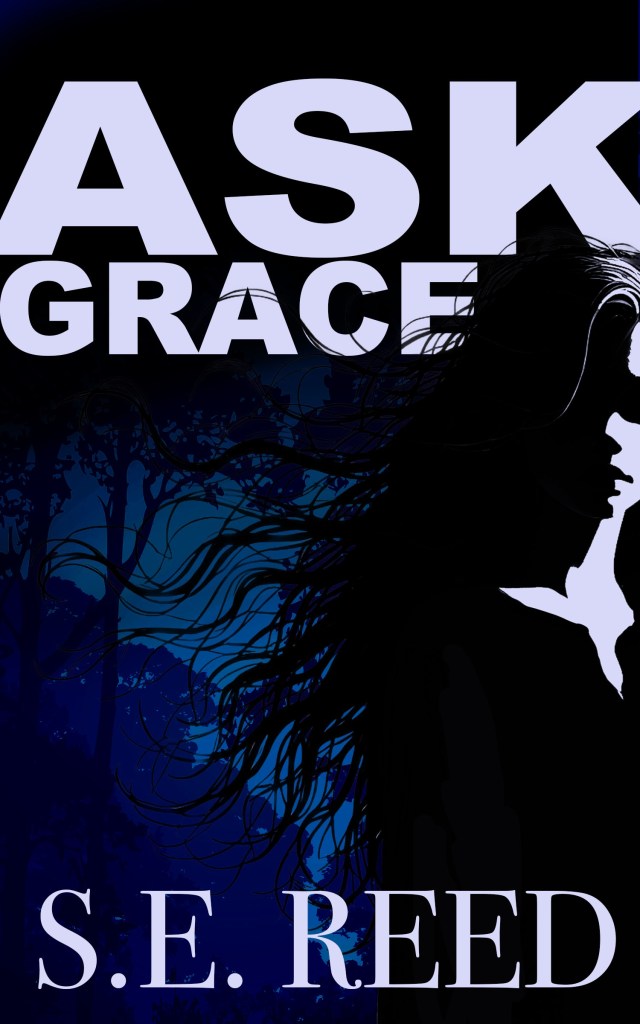
                        • In Ask Grace, Grace is scared, angry, and wants to understand what is happening inside her mind. Her next-door neighbor, and enemy, Gloria, goes missing, and the only clue leads back to Grace. Seth, Grace’s boyfriend, goes missing, putting an even bigger target on her, and she starts experiencing stress-induced flashbacks of a kidnapping scene right out of some campy horror flick. The kind her and her friends spoof on their weekly podcast. Armed with new clues. Grace and her friends race against time to find Gloria and Seth, before the rotten-face man from her memories turns Richmond Hill into a real life horror movie. One they can’t spoof on their podcast.

                        How do you find the ideas for your books?

                          I have teenage kids, so many of my YA novels have been inspired by my kids or things they’ve said or situations they’ve described. Usually my ideas start as a seed (someone says something or I see something and it sticks in my brain) and from there it starts growing, taking shape, developing and expanding until there’s enough that I can flesh out a plot for a book. I used to sit down at that point and start writing the MC and see what they were doing. Now I sit down and write out a high-level outline for the entire book from start to finish.

                          Why should readers read your book? What is your target reader for each book?

                            I think I write books that are highly readable with characters that you can’t help but cheer for. My novels with Wild Ink are intended for readers aged 13-18, however, I believe they can be enjoyed by adult readers as well. A great coming-of-age story generally transcends age and gender, because as humans we can all relate to those  kinds of growing-up feelings.

                            What are you most excited for with your release of Ask Grace?

                              It’s always exciting to have a new book released–because maybe it will help me find new readers who will come back to read some of my other novels. I experimented with breaking the 4th wall in this novel, which is new for me. (That’s when the main character speaks directly to the reader). I thought it might be interesting in this book because Grace (the MC) is an unreliable narrator, so when she talks to the reader it creates a sense of trust or maybe mistrust for her. You decide!

                              You have won a series of awards for your books. What did this feel like for you? Do you have an award you are most proud of?

                                Writing and publishing can be a very solitary activity. People read my books and maybe (if I’m lucky) will leave a short little review, and that’s my only temperature gauge to know “how I’m doing” so to speak. So winning awards is exciting, because it’s a boost, it’s someone (or a group of people) saying my writing is good! Worthy! I feel seen and heard as an author. And no, I’m not sure I’m more proud of one award over any other. Each award has provided different opportunities– I’ve been invited to the Florida state capital to receive an award in front of a huge audience, I’ve been given prize money, my book has been sent on a world-wide book blog tour, and other opportunities.

                                You are a multi-genre author. How do you change your writing for each genre style? Do you have a favorite genre to write in?

                                  I’m a character-driven author, so when I come up with an idea and a main character, they usually dictate the type of story I write. Whether it’s young adult contemporary or adult romance or new adult science fiction. I change my style to conform to the characters and the story they are telling or participating in. I can see it in my head and hear them, so I just tell it. No, I don’t have a favorite genre. I’m currently in my thriller era.

                                  You have lived in all five regions of the United States. Do you have a favorite region? Does each region you have lived in have any influence on your writing or setting?

                                    Yes, I’ve lived all over and driven all over the country. It’s so interesting to see the regional difference in things like architecture, food/restaurants, people, music and more. The south is my favorite. I’m a big fan of the weather, landscape, food, and designs. All of my Wild Ink books are set in the south, in either Florida or Georgia. So yeah, I’d definitely say that my writing has been influenced where I live.

                                    What is your writing process like? Do you have any particular tips, methods, or writing strategies that help you?

                                      My novel writing process starts with an idea. Over the years I’ve learned to heavily outline and draft the novel from start to finish before I start writing. My first few published books were written without an outline. Another strategy I use is word count tracking. Probably because I’m a bit of a numbers and data nerd. So I like to use a spreadsheet and track my daily word count, it is motivating to me. 

                                      Tell me a fun fact about yourself.

                                        When I was in college I was a DJ. I had turntables, a mixer, records, the whole nine-yards. My club name was DJ Barbie, and I used to go to parties and play, and travel around the PNW to go to raves.

                                        To learn more about Shelby (S.E.) Reed, visit her website, https://www.writingwithreed.com/ and sign up for her newsletter https://www.writingwithreed.com/subscribe.

                                        Writing Ancestry and its Connection to Horror

                                        Writing Ancestry and its Connection to Horror

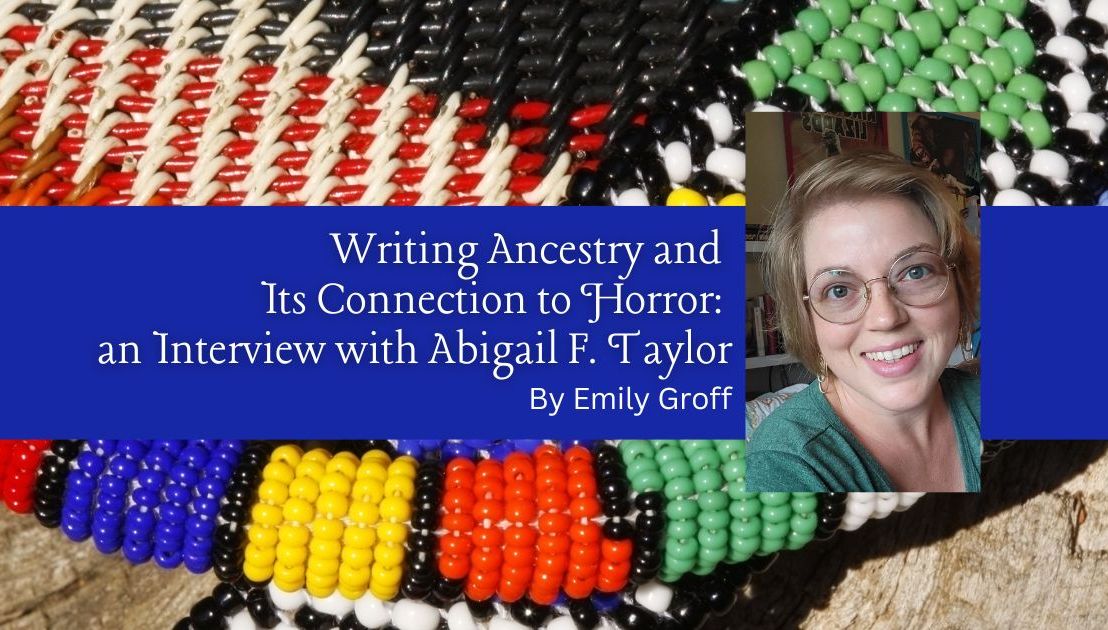
                                        By Emily Groff

                                        We all have a family heritage and a need to share our culture. But are we allowed to? Abigail F. Taylor wondered the same thing when she began writing. She still struggles with overcoming whether she is fit enough to write about her culture, but she’s tried, and she shares why it is important to write about her culture, and how to do it. Abigail shares her story through horror, a genre that is important to her and most compelling.

                                        You say, “It’s (horror) a chance to have revenge when the system fails victims and it’s an opportunity to explore different perspectives and cultures.” You are from an indigenous heritage. Do you write in horror to specifically explore your cultural background and make readers more aware of your culture?

                                          It’s not that I set out to make readers aware of native stories. It’s simply that I grew up with them and didn’t see a lot of it represented in the media when I was younger. We have our hallmark, such as Smoke Signals, but for a long time, we didn’t have native stories written by native people. So, diving into more of the folk side of horror was really about me wanting to share things I thought other people might find as interesting as I found them. The “exploration” doesn’t come so much from me, the author, as it does from the reader. Horror is a lot more inclusive and widespread with its genres. So, readers will come across backgrounds and communities of characters that they wouldn’t necessarily see on the mainstream. Growing up in a conservative household myself, horror was a place where I could find progressive thoughts and ideas that weren’t readily available.

                                          You say you struggled for a long time about whether or not you had a place in talking about indigenous issues and avoided it for a long time because you didn’t feel ‘enough’. Can you explain why you felt this way and how you overcame it?

                                            It’s something I’m still working on, and I don’t think I’ll ever overcome it. Much of the reason is because of culture. As a child of divorce, I was deprived from half of my family. When visits are far and few between, the focus is really on the immediacy of things, the in-the-moment experiences, because you don’t know when that chance will come again. Diving into family and genealogy took a backseat. I would live and exist around my Mexican and Choctaw-Chickasaw relatives a handful of times throughout the year. I didn’t realize there were things that were culturally unique to us until I was much older. I was raised predominantly by my white, Southern Baptist family, in a middle-class neighborhood, and not on or near the rez. I am blonde and blue-eyed. So, I’m not really the first person on (literally) face value that people would want to hear from when they want what they think of all things indigenous. There are many things in this community where it isn’t my place to talk but to simply listen, learn, and be an ally. Yet there are also aspects unique to me and my family that I feel more encouraged to write and discuss as I get older. Finding that balance is where the ‘am I enough?’ comes into play.

                                            How do you show your ancestry in Maryneal and in A Home in Tishomingo? Do you express it in different ways?

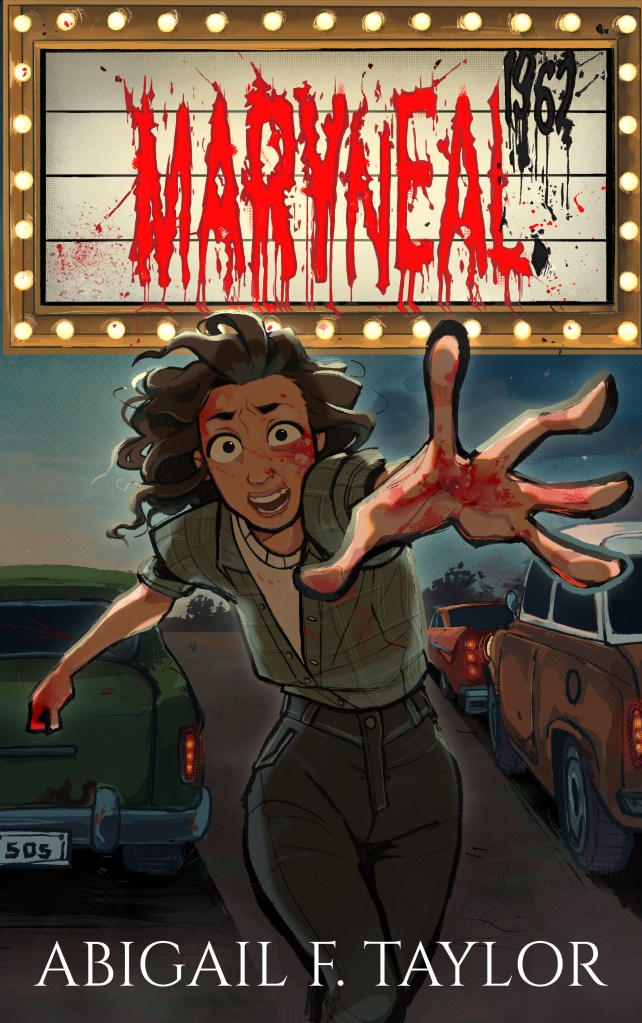
                                              In Maryneal, 1962, I hint that my main character, Delah, and her sister, Kitty, are mixed. There are several easter eggs hidden throughout to suggest this. She herself, however, believes she is white because her mother is gone and her father is all she has. This is a choice he has made for his children to help them advance in a divided society. In doing so, he protects his children, but he robs them from an important aspect of their identity. This was not uncommon for a lot of children growing up in that era. They lost language, culture, and a sense of self because so many people were worried about their children being taken away from them and thrown into Indian Boarding Schools or murdered (often both).

                                              For A Home in Tishomingo, I dig in deeper since there is no hiding the identity of these characters. It was a chance for me to explore old traditions and languages that are no longer used or hard to come by. More importantly, I had a chance to use the materials we have today that provide explanations of mental health and generational trauma that weren’t accessible in the 1920 & 30s. I could give better understanding and reasoning to the behaviors displayed that inspired the more difficult scenes in this book. One of my favorite things was creating ‘the other woman’. My main character, Skunk Lowery, is heavily inspired by my great-grandfather. Corinth is inspired by my great-grandmother, but she had a tumultuous sister-wife relationship with an unknown woman. Between the two of them were roughly 24 children that survived. I don’t know about this other woman or who her family might be other than a few scant details. So I created Madeline Roberts and stitched together ideas and theories of how everyone might get along or why this polyamourous relationship was established in the first place.

                                              How do you ensure that today we have better representation of the indigenous culture and make those from that cultural descent feel safe to be who they are and keep who they are in the family, unlike your grandmother, while maintaining an entertaining fictional story?

                                                The best way to ensure we have better representation is to invest and indulge in what the community provides. Read the greats, watch the shows, listen to the music, find the influencers on TikTok, and ask these things of your library to order and to hold. Share these with friends and relatives. Go to powwows (most are open to the public) and support the local artists there. Outreach and volunteer, or bring your kids/ fund a school trip to cultural centers. As far as drawing from real life and putting it into fiction? If you feel that you have a good story but are worried about the safety of someone you care about, discuss it with them. Then, look into your own motivations as to why this story must be told and be told by you specifically.

                                                Why is it important to you that your ancestry is represented in both literature and film, properly?

                                                  It’s important because culture isn’t a monolith. There are a wide variety of peoples who come from the same ethnic backgrounds but can be polar opposites of each other. Even in the same household. It’s also important to not deprive someone of their heritage while also maintaining that you can have vastly different experiences navigating life than you do because of how you present yourself. We don’t get as many mixed main characters as we should. There are at least 20% of Americans who are in interracial relationships and we are starting to see that more in the media but we aren’t seeing as much of these fictional children as we should. Discovering one’s own identity is a difficult process during the teen years. It’s important to have strong and uplifting characters that a child or teen could see themselves in to feel less alone.

                                                  Learn more about Abigail F. Taylor and her books here: https://abigailftaylor.wordpress.com/.

                                                  Getting to Know Wild Ink Author Abigail F. Taylor

                                                  Getting to Know Wild Ink Author Abigail F. Taylor

                                                  By Bruce Buchanan

                                                  Abigail F. Taylor is an award-winning author who leans into her roots to craft unforgettable and spine-tingling stories. Her next two books are both signed to Wild Ink Publishing, with MARYNEAL, 1962 coming in June and currently available for pre-orders. Her subsequent novel, A HOME IN TISHOMINGO, is soon to follow.

                                                  In the following interview, Abigail shares more about her books, her approach to writing, and how her heritage shapes her work:

                                                  1. What got you interested in writing fiction? When did you first know you wanted to tell stories?

                                                  My family is full of storytellers. So, in a lot of ways it was a natural progression. I enjoyed writing ever since first grade but only began to see it seriously as an option in high school when a creative writing program was offered for seniors. 

                                                  2. Much of your work falls under the horror umbrella. What is it about horror that appeals to you? And why do you think readers love scary stories?

                                                  Horror is a safe space to explore the intrusive thoughts, the grim and gory, and the unknown. I think that’s why it appeals to so many people, both writers and readers. It’s a chance to have revenge when the system fails victims and it’s an opportunity to explore different perspectives and cultures. Horror is one of those genres that has been inclusive for a long time. Its subgenres, like splatterpunk, were created as a push back and a form of rebellion against the status quo. Most of all, horror is a genre of hope. No matter how grim the outcome, the trials and tribulations of the main characters, there is always the fight for survival and to persevere through the darkest hours.   

                                                  3. So tell us about MARYNEAL, 1962, your Wild Ink Publishing debut novel! What is this book about, and how did you come up with this story?

                                                  I basically came up with the story because I wanted to challenge myself to write for Young Adults. For about a decade I’d been working and querying in adult spaces with little to no traction. So, I decided to take a pivot. Then coming up with the story itself was an amalgamation of events. The setting was the hardest part to figure out. How do I write a horror without cellphones and without the crutch of ‘the no cell service’ excuse to fall back on. I also wanted to explore the reasons a thriving city would suddenly become a ghost town. I wanted a story where the protagonist was like the women I grew up with. There wasn’t a lot of representation when I was writing the first draft for tall girls with a mixed race background. I didn’t want it to be an ‘issues’ book either. I wanted my protagonist to exist in a space as a whole and complicated person without having to preach to the choir on a soapbox. This isn’t to say that Maryneal doesn’t explore these things. Throughout the book Delah is challenged by her own small town prejudices. Topics like sundown towns, interracial relationships, and the Indian Relocation Act are integrated as part of the wider narrative. Lastly, I knew I wanted to have a monster book that inverted the tropes that had been on the rise in paranormal and urban fantasy. The monster is not cute and cannot be saved by a single kiss. 

                                                  A portion of pre-order sales will be donated to The Family Place, an organization that has been helping Texas families escape domestic violence since the 1970s.

                                                  4. Your first book, a horror novella titled THE NIGHT BEGINS, received a great deal of acclaim. What did you learn from that experience that you applied to writing MARYNEAL, 1962?

                                                  Actually, I wrote Maryneal first! The Night Begins came several years later. I’d shelved Maryneal and wrote A Home in Tishomingo, then had to shelve that as well. A few friends and mentors encouraged me to try short stories, which made me nervous. I hadn’t excelled at that in my college courses but in the same way I knew I could challenge myself to write YA and I knew I had to try short stories again. I thought Maryneal wasn’t getting picked up because it wasn’t ‘horror’ enough. So I took those same themes: Mixed families, small town, Indigenous and Irish folklore, and I put a real effort into exploring what frightens me. It’s not exactly a short story (I’m still working on mastering those!) but I wrote it in December and was signed in February. My first book signed and the sixth one written! It was horror and it was a success. So, I knew the time had come to dust off Maryneal, 1962 and try again. 

                                                  5. Your family’s indigenous heritage and your roots in rural Texas are threads that run through your work. Tell us about that and why this is so important to you.

                                                  What it boils down to is the old adage, “write what you know”. Although, I will admit that I struggled for a long time (and still do to a lesser degree) about whether or not I had a place in talking about indigenous issues and I avoided it for a long time because I didn’t feel ‘enough’ but as I got older and more seasoned in my writing, I realized how important the discussion of ‘what is enough?’ is. Once I started putting that in my writing, I started getting seriously published. I’m white because my grandmother passed and decided to live and marry white. She didn’t see an outcome of successful living for her children and I think if there had been better representation for her when she was young, she wouldn’t have been so afraid to exist in the world as she was. That’s why it was so important for me to have characters who looked like her and the rest of my family. 

                                                  Native Americans have a long and complicated relationship with the entertainment industry. The way tribes are depicted on films often had a direct correlation with what was happening with the US Government. The ‘uncultured terrorists’ of the Wild West became the ‘noble savage’ of the 1960s. In men’s adventure books, you’ll often find that one Apache guy who can see in the dark and hear hoofbeats from one hundred miles away. Nowadays, indigenous characters are treated too preciously. It is important for me to write about raw and dirty and complicated people who aren’t mystical or villainous. They’re just trying to collect their paycheck like all the other characters. In the decade since I first wrote Maryneal, there has been a golden era of indigenous stories. So many wonderful books and shows have come out into the mainstream. It’s wonderful to see!   

                                                  6. You also are a prolific short story writer, including writing a story for Wild Ink’s PROM PERFECT and BANNED anthologies. Why do you enjoy short fiction, and does it help you as a novelist? 

                                                  Short fiction is a challenge for sure! When I first started writing seriously, the advice often given was that a first chapter should be a strong first story. I don’t know if that’s still being taught but I think about it often. When it comes to writing shorts, it’s almost like puzzling out a math equation. The more characters and settings you have, the longer the story, and if you only have 250 words to create an entire narrative? Forget about it! As a novelist, shorts help me find characters quickly. I’m somewhat of a gardener when it comes to writing. I have a brief idea of where structure and plot should be seeded, but everything else develops as the story grows. With shorts you have to establish characterization and world building fast so that the rest of the story can breathe on its own. 

                                                  7. You’ve signed a second novel with Wild Ink, A HOME IN TISHOMINGO! What is this book about? It represents a departure from horror, correct?

                                                  Maryneal, 1962 is actually my departure. I’d been writing poetry and contemporary paranormal fiction long before I decided to pivot into Young Adult. When It comes to A HOME IN TISHOMINGO, it was like coming back to an old friend. This is a book I’ve been wanting to write since I was sixteen but, as mentioned above, I didn’t know if I was the right person to do it. I also didn’t have the skillset to take on the challenge. 

                                                  It is a novel heavily inspired by my paternal great-grandparents and the challenges they faced and choices they made as a mixed race, polyamorous family surviving during The Great Depression. It dips into magical realism, although some of the outcomes and situations in their lives definitely lean towards horror, it’s a horror of reality and not of genre. The book spans from 1915-1935 and centers itself around Skunk Lowery, an Irish-American sharecropper, and the magic that he uses to gain the system. He’s run out of town for being a witch and settles in Choctaw Territory where he meets his wives, re-invents himself to become a person of influence. Eventually, his past catches up to him and once again he has to use the magic he swore from doing to protect his family, even if that means killing the ones he loves.    

                                                  Visit Abigail F. Taylor’s website to learn more.

                                                  Reading Through the Seasons

                                                  Reading Through the Seasons

                                                  By Emily Groff

                                                  Do you love reading? Do you need help deciding what book to read off your long TBR list? Seasonal reading may be the right fit for you. What is more fun than reading books that fit with the season you are in? So slather on the sun block, put on your shades, and buckle in to plan your reading for the next year.

                                                  Why should you read seasonally?

                                                  Reading seasonally will add richness to your reading experience. It allows books to transport you into each new season. Feel more immersed in your reading by experiencing the reality of nature with the imagination of your books. As you look forward to each season change, you get to look forward to each new seasonal book.

                                                  Seasonal reading allows you to have variety in what you read, both in authors and in genre. Broaden your horizons and dive into each new world that the pool of literature gives. 

                                                  What books should you read?

                                                  Conquest and Wild Ink Publishing offer a variety of books that are perfect for each season.

                                                  For some, Fall is about pumpkin spice, chai, sweater weather, and the dropping of autumn leaves. For others, Fall is the magic, spells, mythical creatures, death, and mystery.

                                                  If you are looking for the magic and spells that is Fall these are your perfect picks:

                                                  Jinny Buffett’s father is dead. She is trying to start a new life: break from the loneliness that consumes her, but her mother is spiraling out of control and threatens her entire existence. It is her ancestors who arrive in a mist of magic, bringing the swamp and hope with them that come to save Jinny Buffett.

                                                  Callie Aigean drove thirty-six hours, carrying thirty-six extra pounds on her plus-size frame, staring down her 36th birthday- in less than thirty-six weeks. That’s the day she’s due to make her magical ascension into a full witch and take her place among the elite spellcasting community of Blue Crab Bay.

                                                  If you are looking for the death and mystery of Fall, read these books:

                                                  Grace Everly is not friends with her next door neighbor Gloria Sanchez. So when Gloria goes missing, and the only clue leads back to Grace, tensions run high! Seth, Grace’s boyfriend, goes missing, putting an even bigger target on her–and she starts experiencing stress-induced flashbacks of a kidnapping scene right out of some campy horror flick. Armed with new clues, Grace and her friends race against time to find Gloria and Seth, before the rotten-faced man from her memories turns Richmond Hill into a real life horror movie.

                                                  Ember Wildes comes from a family of witches. After the death of her mother, it was the right time to start a new life and learn more about the craft that her grandmother had taught her as a child. But a dark evil has befallen the town, leaving the bodies of murdered women on its shores.  After settling in town, Ember learns of these horrible murders and quickly finds herself at the center of the mystery.

                                                  If you want to read about mythical creatures, these are your perfect Fall picks:

                                                  Olivia Beckett has lived through thousands of lifetimes, dispatching miscreant supernatural creatures alongside her sisters as the mythological trio of Furies. Memories of her past lives begin to appear and haunt her, and she starts questioning everything she thought she knew about her life and her duty. In the midst of a brewing war between the factions of Creatures, Olivia goes against all the rules and falls in love with a human, only to realize he may be connected to her mysterious past. Can she have it all, or will she have to make the ultimate sacrifice in order to stop the war?

                                                  Caiden is a 200 year old vampire who has been dropped into a walled-off prison city for the world’s fantasy creatures. In his time there he will work with a courageous leader of rag tag elves, an ambitious warrior vampire, street-wise goblins, a hapless halfling, and finally a young and headstrong vampire girl called Alma.

                                                  After you’ve finished these fall reads, Winter will be just around the corner. Winter is full of snow, love, and holiday adventures. Here are our Winter picks:

                                                  After being roped into spending Christmas with her best friends and her alluring ex, Thando finds herself questioning her holiday spirit. For Jimmy Warner, Christmas means cold beers and comfort food, but reuniting with the captivating, yet prickly, Thando ignites memories of a fiery weekend they once shared. Pretty Unexpected is a Christmas romance novella weaved with drama, friendship, and wrapped in a touch of holiday magic.

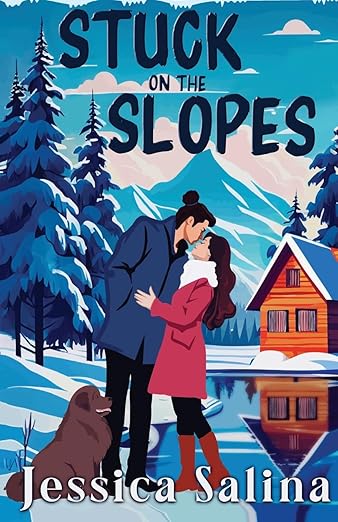
                                                  The cabin is heating up in this romantic comedy as a pro-athlete and corporate marketer dodge the tabloids and save a ski lodge. Professional athlete Juniper Hart was forced into retirement after a permanent injury. He acquired a failed Colorado ski lodge. Rachel Friedman looking for a raise begins working at the resort and begins to wonder if this was the right choice. Rachel needs to thaw Juniper’s icy heart so they can work together to save the lodge.

                                                  After the holidays, warmth seeps in and so begins Spring. Spring gives warmth of love and new beginnings. Any book can be read in Spring, but here is our choice of a Spring book:

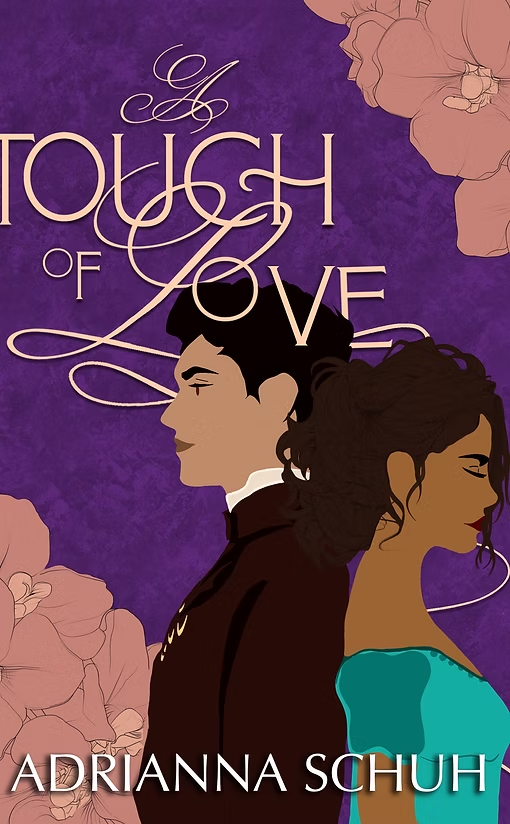
                                                  Set in 1890s New York, Elijah Jameson inherits a steel fortune, a fancy townhouse, and a free pass to enter New York City high society. While he doesn’t want this, he needs the position to give his sister the best life. Isabella Marin is a pushy and stubborn socialite who wants nothing more than to be far away from the social season. Instead of finding a suitable husband, she is locked in verbal sparring matches with Elijah Jameson, the boy she left in another life. No matter how much she likes Elijah, Isabella knows they can never be together. If he knew what she’d done, he would never look at her the same. Even though Elijah has fallen for Isabella, society will never see them as equals.

                                                  Adding a little more warmth into your life, here are our Summer picks:

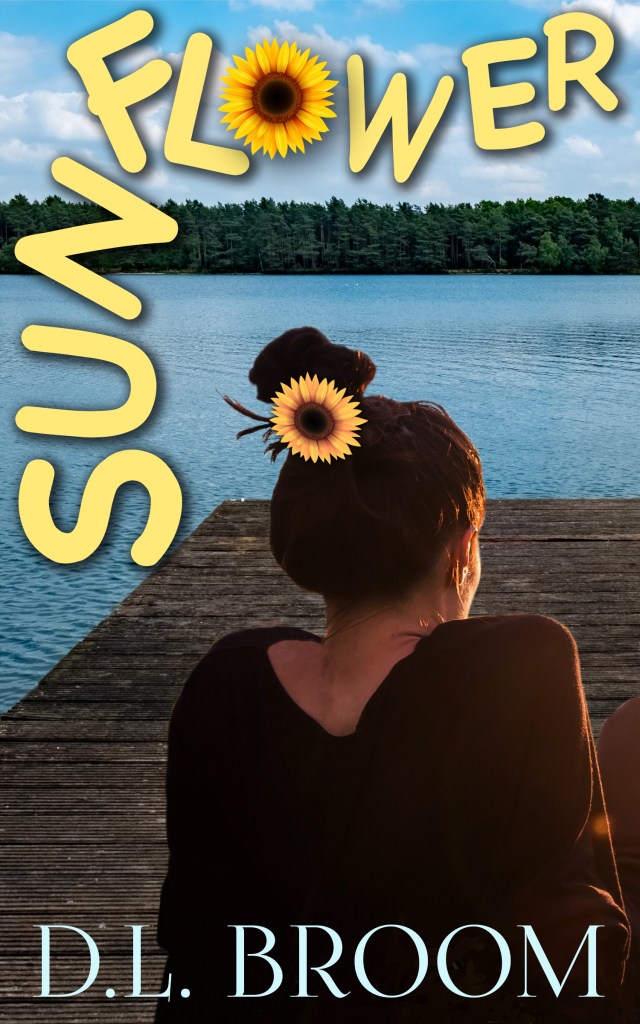
                                                  Sixteen-year-old Ivey Des Jardins knows her summer is going to suck. Rather than working with her friends at a local Florida boutique, she’s been sent to Walloon Lake, Michigan, to work at her Aunt Lauren’s summer shop where she meets her handsome coworker, Rafe Torres,  and discovers a devastating family secret. Rafe has his own secrets that threaten his new romance with Ivey. With her Aunt Lauren grief-stricken, Ivey takes on the summer shop and sets out to solve her family’s mystery. But there are people who don’t want this mystery solved, and they’re on Ivey’s trail.

                                                  UnCensored Ink Interview – Riley Kilmore

                                                  UnCensored Ink Interview – Riley Kilmore

                                                  Hey everyone, 

                                                  Ian Tan here, lead editor and project coordinator of UnCensored Ink: A Banned Book Inspired Anthology, set to release this October 29. Here is the UnCensored Ink interview series to introduce you all to the incredible writers, as well as the local bookstores and libraries that gave them safe, creative spaces. Hopefully, you can put these incredible places on your to-visit list and feel inspired to support your own local bookstore, library, and indie authors.

                                                  Today, I’m with Riley Kilmore from Pennsylvania.

                                                  1. You’ve written a fine piece for UnCensored Ink: A Banned Book-Inspired Anthology. Can you give us a synopsis? How did the idea for this piece come about?

                                                  An inquisitive farm boy in 1940s Appalachia encounters a peddler surreptitiously distributing banned books and is given a copy of John Steinbeck’s Grapes of Wrath.

                                                  Prior to writing The Tinker, I’d finished reading Ann Pancake’s Strange As This Weather Has Been, about an Appalachian family struggling in the shadow of exploitative mountain top mining. Pancake’s book was the 2023 One Voice One West Virgina Read, and she was the Appalachian Heritage Writer In Residence that same year. 

                                                  I was taking some Appalachian Studies classes at Shepherd University at the time, so I entered a (different) piece in the 2023 West Virginia Fiction Competition, which she judged, and I won. So her novel and body of work definitely inspired me. 

                                                  My winning piece, Mother, May I?—about a disillusioned Catholic caught in a Twilight-Zone-esque liminal space (a western Pennsylvanian convent-cum-Bread & Breakfast run by a handful of aging nuns)—appears in the 2024 Anthology of Appalachian Writers along with five of my photographs which were also selected for inclusion.

                                                  I originally wrote The Tinker as my entry piece for the 2024 West Virgina Fiction Competition, but didn’t place. However my sister, playwright DW Gregory (Radium Girls) did win this year! In fact, she also won the 2022 competition.

                                                  1. Now, we would love to know you more! What do you enjoy doing in your free time, what is your favorite book quote, and how did you get into reading and writing?

                                                  Well, I used to run a lot in my spare time. That’s when I’d compose stories in my head that I’d later put to paper. Now, though, I mostly walk, but it’s still my “composition” time. 

                                                  As for a fav book quote, I have to wonder if any reader or author can honestly pick just one. I certainly can’t. So I’ll leave you with a quote from my 2024 debut middle grade adventure, Shay The Brave, which champions friendship, the courage to be your authentic self, and vegetarianism: “One is wise to hunger for friendship, but a fool to hunger for friends—no matter how good they may taste.”

                                                  That third part of your question begs a twist: how did reading and writing got into me?

                                                  I credit several things. One of them is a mother who made weekly trips to our local public library a part of our childhood. She also subscribed to numerous magazines—Time, Post, Life, National Geographic—and to the local papers, so that there was always current event news and information at our fingertips along with all the books containing fiction and poetry that were shelved right in our attic bedroom.

                                                  Another possibility is an inborn propensity for it—as in, “is there a writing gene?”—since I’m one of nine kids and the majority write, along with some in the next generation, as well. Not all are published, but I mentioned my award-winning playwright sister above, and our oldest sister’s debut novel just came out this year as well: The Bomber Jacket by K.M. King, also available from Wild Ink Publishing.

                                                  1. Do you have a favorite local library or bookstore? Also can you remember bookstores and libraries from your childhood, if they are not the same as the ones now? 

                                                  I grew up in Lititz, PA, so my fav public library was, of course, the Lititz Public Library.

                                                  When I was born the library was set up in the old ballroom of the famous General Sutter Inn. From there it moved to an old house further down South Broad Street from our own place. That was my favorite location of the library because it was a house my parents almost bought, themselves, before deciding on the one I grew up in. So I loved imagining it being our family home when I’d go there and check out books each week.

                                                  The bedrooms—which weren’t accessible to the general public but which I and my sisters convinced the librarians to show us—had an ancient intercom system, which was really fascinating. After that we not only frequently imagined what it would have been like growing up there, but imagined calling back and forth to one another via those old intercoms. It certainly would have leveled-up Earl Hamner’s notion of simply shouting out “Good night, John-boy; Good night, Mary Ellen!”

                                                  The only “book store” in town back then—or what we called the bookstore—was Bell’s Bookstore on Main Street, only it was more of an early rendition of Staples marries a Hallmark Card shop. Lots of office supplies and cards, but not too much in the way of books. I loved to wander around in there when I was growing up, but Lititz today has a genuine book store and a great one, at that: Aaron’s Books.

                                                  It’s great for a host of reasons, but of course one of them is that they stock copies of Shay The Brave. Copies of Shay The Brave are also available at another Lancaster County indie book seller, which is the delightful Pocket Books Shop. 

                                                  1. What do you have to say on the importance of sustaining bookstores and libraries?

                                                  Libraries launch imaginations. Towns without a library are like clipper ships without sails: sure, they can stay afloat, but their citizens aren’t apt to take in distant horizons, eh? And librarians? Well, they’re the captains who keep us on course—always sailing forward, never aft.

                                                  1. Do you have any projects that your current and future readers can look forward to?

                                                  You bet! Check out my website, www.rileykilmore.com for updates, but here’s what’s in the offing: a companion workbook to Shay The Brave called Share With Shay, which uses prompts from the original adventure to encourage kids to do a little deep thinking of their own on important issues; a sequel to Shay The Brave called Alexy, Strong and Silent, which follows Shay’s sidekick from the first book into his own adventure of personal growth while simultaneously—just like Shay—redeeming others.

                                                  1. Lastly, what platforms can we find you? (Social media and websites are all encouraged, this is to highlight and champion you guys)

                                                  Besides my author website listed above, readers friends can find me on facebook, on Instagram, on Twitter, and at my own Substack, where I write the (generally) weekly Monday Morning Literary Bric-a-Brac to which they can subscribe for free.

                                                  Map indicating Pennsylvania

                                                  Well, that was Riley Kilmore, everyone. It’s time to take a trip across the pond to the United Kingdom.

                                                  Riley Kilmore earned an MFA in Writing Popular Fiction from Seton Hill University in 2022. Her award-winning poetry and short fiction have appeared in numerous anthologies. Her debut novel, Shay the Brave, a middle-grade fantasy, is available from Wild Ink Publishing. A twenty-year veteran of the fire service, Kilmore has leaped from airplanes, sailed the world, been a cop, and braved the life of a homeschool mom. She resides on a sequestered mountainside farm in south central Pennsyltucky with one horse, one cat, a dancing goat, a beer-guzzling hound, and her husband of 36 years.

                                                  Purchase UnCensored Ink at Barnes & Noble
                                                  Purchase UnCensored Ink at Amazon

                                                  An Interview with K.M. King

                                                  An Interview with K.M. King

                                                  By Bruce Buchanan

                                                  K.M. King has worn many hats—she’s been a journalist, a teacher, a business owner, a corporate trainer, a student of history, and a member of the U.S. Army.

                                                  She recently added one more line to her already impressive resume—Wild Ink author. Her novel The Bomber Jacket will be released on Aug. 20, 2024.

                                                  K.M. King has worn many hats—she’s been a journalist, a teacher, a business owner, a corporate trainer, a student of history, and a member of the U.S. Army.

                                                  When an American college student buys a World War II vintage bomber jacket, it sends here on a search to learn more about its original owner. Along the way, the veil between past and present becomes ever thinner.

                                                  You’ve said you fell in love with reading at a young age. Did that also extend to writing?

                                                  I always loved reading stories and creating stories in my head. The first writing I remember doing outside of schoolwork was in the little pink diary I got as a Christmas present in fourth grade. All through school, I was involved in writing for our school papers and was editor of our high school newspaper in my senior year. I loved all the writing assignments for English class. I had a hard time deciding whether to study English or history in college—history won.

                                                  As for writing fiction, that didn’t happen until I was in my mid-twenties. I was taking some business classes at a local college and signed up for a fiction writing class. I wrote a short story and got great feedback from my professor. The rest, as they say, is history.

                                                  It sounds like you’ve had some amazing career and life experiences. How have those experiences shaped your writing?

                                                  That’s a challenging question to answer. I think for me writing is so ingrained in who I am, I’m not always sure I can parse out what influenced my writing. Every job I’ve had involved writing, whether as a teacher, journalist, non-profit publication specialist, personal coach, or creator of staff development curriculum.

                                                  I’m essentially an introvert—like a lot of writers—and very self-reflective. I almost minored in philosophy in college. My journal, which I’ve kept from my early thirties, provides a space for me to ponder the inexplicable mysteries of life. I think I ponder those same mysteries in my fiction, through my characters, hoping they’ll give me the answers I haven’t found elsewhere.

                                                  How did the idea for The Bomber Jacket come to you?

                                                  I’ve always been fascinated by flying. Probably should have joined the Air Force instead of the Army! When I was stationed in Frankfurt, Germany, I used to go to the Frankfurt Airport and watch the planes come and go. Something about that planted the seed of a story about a pilot.

                                                  In 1997 and 2004, my husband and I took trips to Scotland, and among the places we visited was Drem Aerodrome, a former Royal Air Force base near Edinburgh. That seed, which lay dormant for more than two decades, sprouted into a Scottish bomber pilot from World War II. I began reading extensively about the RAF, and the characters crystallized during a trip to Scotland in 2011 with our oldest granddaughter, Zoe, who was 11 at the time.

                                                  I’m also interested in the idea that the veil between the past and present could be very thin. Spirits and ghosts have always fascinated me, and the possibility that spirits linger among us until they’ve completed whatever unfinished business holds them here helped shape the novel.

                                                  I am documenting the whole process of writing The Bomber Jacket on my website: www.kmkingauthor.com.

                                                  Were you interested in World War II history before you started this book?

                                                  Yes, definitely, both because I was a history major, and my father served in the Army in World War II. Like many of his generation, he never spoke about his experiences, except for a few succinct statements here and there when he was older. I’ve been reading World War II fiction and non-fiction for years and share my enthusiasm for history of all eras with my husband.

                                                  You’ve written other novels. What has been your biggest challenge in writing? And how did you ultimately overcome it?

                                                  I think my biggest challenge is I don’t just write in only one genre. I started writing novels in the early 1990s—a series of young adult fantasy books. Wild Ink is publishing the first of them, Jenna’s Journey: The Bronze Key in January 2025. I wrote The Bomber Jacket next; it’s World War II fiction.

                                                  I’m currently working on a three-book rom-com series with fantasy elements. I also have a mother-daughter generational story half-finished and the skeleton of an idea for a comic novel about a woman who gets obsessed with K-drama and K-pop. Nothing biographical there at all! 

                                                  I’ve yet to overcome this challenge.

                                                  My other challenge is imagining my books might attract the interest of a publisher, especially after 45 rejections in attempting to find an agent for The Bomber Jacket, let alone a publisher. I am astounded and incredibly gratified that Wild Ink has seen something worthwhile in my stories.

                                                  Getting published was always a dream, not a motivation for writing if that makes any sense at all.

                                                  What is your writing process like? And how has it evolved?

                                                  I have to say, my process is different for different kinds of books. But for every book, the motivation is the same: I have questions about life, about an experience I’ve had, about someone I’ve known, and I write to find the answers to those questions by giving them to my characters to grapple with. I don’t always like the answers they come up with; sometimes, I’m not even sure what question they are working out in their story. I often discover it when they do, sometimes at the end of the first draft.

                                                  With Jenna’s Journey, the story simply appeared, and I wrote it when it did. There were long periods of time when I didn’t work on it, except to edit what I had written. No wonder it took me ten years to write the four books.

                                                  With The Bomber Jacket, I did extensive research, character development and plotting, but still the characters sometimes did things I didn’t expect them to. Or the story took an unexpected twist or turn.

                                                  For all the books I write, I first tell myself the story. That’s the first, second and third draft. When I am satisfied that my characters have answered my questions, even if I don’t like their answer, then I’m ready to consider sending the story into the world and work with an editor or a writing group to hone it.

                                                  What tips would you give to new or aspiring writers?

                                                  I still feel like a new and aspiring writer, because every book is a new adventure and has its own unique challenges.

                                                  I’ve read and continue to read books on writing. I think some of the advice is awful. One famous writer, who shall remain unnamed, said unless you write every single day, you’re not a writer. Hogwash. Writing is unique to each writer– the process, the purpose, the story to be told. Discover what works for you.

                                                  I have learned that very often the first several chapters of a first draft are the backstory—what the writer is telling him/herself about the story. Finding where the story actually begins for the reader can take some work.

                                                  Also, work on your book for a while, have at least 75 pages or more written, and then join a writers’ group, but one with serious writers who give valuable and supportive feedback. Or find a developmental editor.

                                                  Anything else you want to mention, either about yourself or your novel?

                                                  I also teach journaling workshops and have written two workbooks which will soon be available on my website: Pen, Power & Possibilities: A Guided Journaling Experience to Expand the Horizons of Your Life and Time: Tyrant or Treasure: 11 Steps to Embracing Life in All Its Messiness.

                                                  Preorder K.M. King’s book, The Bomber Jacket, through Aaron’s Books here.

                                                  Interview by Bruce Buchanan

                                                  Bruce Buchanan is the communications writer for an international law firm and a former journalist. But he’s been a fan of fantasy and heroic fiction for most of his life. His influences range from the novels of Margaret Weis & Tracy Hickman and Terry Brooks to the Marvel Comics stories of Stan Lee, Jack Kirby, and Steve Ditko. Bruce has short stories appearing in the upcoming Wild Ink Publishing anthologies Tenpenny DreadfulsClio’s Curious Dash Through Time, and UnCensored Ink. He lives in Greensboro, N.C. with his wife, Amy Joyner Buchanan (a blogger and the author of five non-fiction books), and their 17-year-old son, Jackson.