Tag: author

Epicurus On Writing

Epicurus On Writing

By Anthony David Vernon

Epicurus is perhaps one of the most misunderstood philosophers and writers. He was a man of simple pleasure mistaken for a hedonist, and his writing resume is usually reduced to one work, The Art of Happiness. This is partly because the vast majority of his work did not survive, but “Estimates claim that Epicurus wrote over 300 works during his lifetime.”[1] Nonetheless, this all has led to Epicurus being an underestimated writer. But, Epicurus, in the fragments we have from him, presents quite useful pieces of writing advice.

Epicurus speaks to his writing, stating, “I write this not for the many, but for you; indeed, each of us is enough of an audience for the other.”[2] Epicurus points out that writing is always between the writer and a single reader. Too often, writers focus on a potential mass of readers instead of focusing on the fact that is is always one reader engaging with a work of writing. Even if a work of writing is being read aloud to a crowd, each reader is having a personal engagement with a given piece. When writing, imagine that there will only be one reader of your work, this will allow your writing to be more intimate. For Epicurus, writers are too concerned with having mass appeal and so lose out on emotionality. This is not to say that writing for one person cannot appeal to the many, quite the opposite, personal works possess personality.

The above quote from Epicurus also teaches another writing lesson: a writer should be happy that they have readers at all instead of being worried that they do not have enough readers. As the proverb sometimes goes, expectation is the thief of joy, and writers often suffer from expectation. Having a quantity of readership expectations can kill the writing process because it shifts the writer away from the joyful intimacy of writing into mass expectations that can never be actualized. A writer can never fully know who their readers will be or how their writing will be interpreted. Thus, a writer at any level should write with the satisfaction of knowing that they even have the potential of having a single reader.  

Epicurus also states, “Writing presents no difficulties to those who do not aim at a constantly changing standard.”[3] What Epicurus means by this is many-fold, but for one, Epicurus is advising writers not to worry about writing trends. For Epicurus, it is more important for a writer to hone in on their style rather than the style of the day. If one writes as themselves, they will not struggle to be as themselves. Meanwhile, it is a struggle to fake a writing style that is not one’s own to wear sheep’s clothing.

In addition, for Epicurus, writing should be an act of personal ease, not an uphill battle, but instead a demonstration of a self-constant standard. This means that writers should not set shifting goals but instead aim for one simple goal. What this goal is depends on the writer. However, a writer should pick a goal that at least rarely shifts and ideally is a constant.

Likely, a great deal of writing wisdom was lost among Epicurs’ missing works. Still, what we hold from Epicurus is extremely limited, it holds depth both mentioned and not touched upon. This is part of the greatness of Epicurus; a writer can dig for inexhaustible writing advice from Epicurs with examination.


[1] https://www.thecollector.com/epicurus-on-the-values-of-family-and-friendship/

[2] https://marxists.architexturez.net/archive/marx/works/1839/notebook/ch05.htm

[3] https://www.attalus.org/translate/epicurus.html

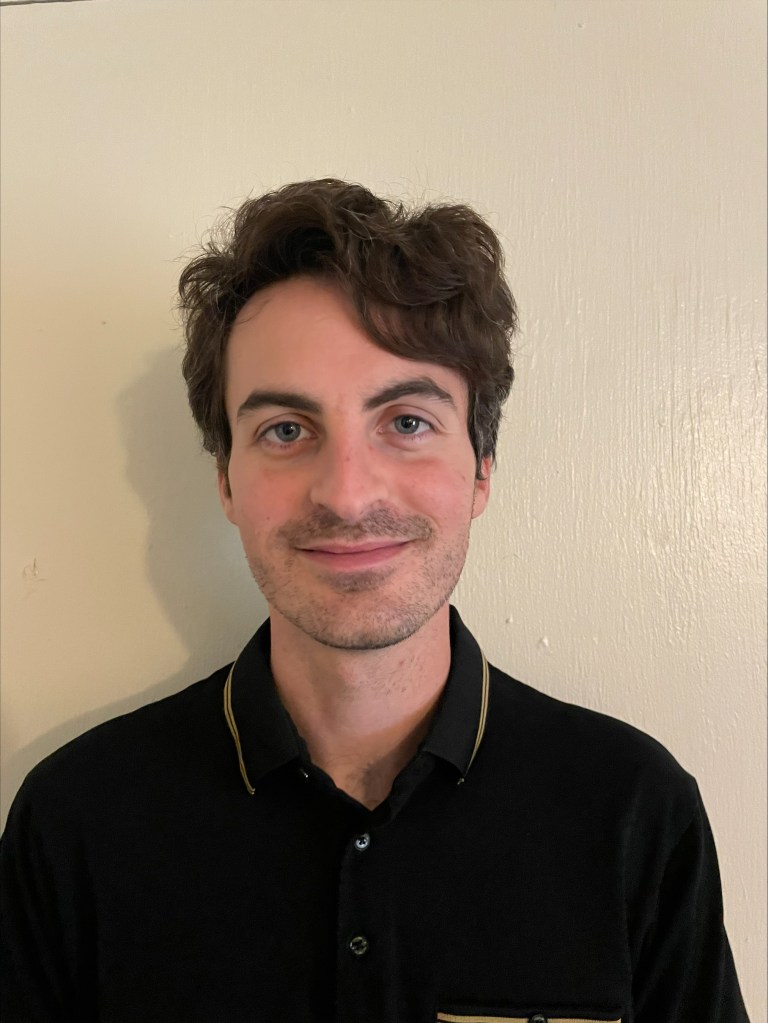
Written by Anthony David Vernon

Author’s Bio

Anthony David Vernon mainly writes poetry and philosophical articles when he is not walking trails.

Education: 

Oklahoma State University MFA

Publications & Prizes

Anthology: 

Faery Flying: The Art of Self Care (Fae Corps Publishing, 2023)

Book: 

The Assumption Of Death (Alien Buddha Press, 2022)

Journals: 

Apocalypse Confidential

Beautiful Space: A Journal of Mind, Art and Poetry

Brief Wilderness

Conceptions Southwest

Poetry Super Highway

Synchronized Chaos

The Drabble

The Literary Yard

Unlikely Stories

ZiN Daily

Prizes won: 

Pushcart Prize Nominee 2022 for “Guilt is a Pleasure” nominated by Alien Buddha Press

Everything Is Copy: Nora Ephron Inspires Taylor Swift and Me.

Everything Is Copy: Nora Ephron Inspires Taylor Swift and Me.

By Maria Miller

       Though I didn’t become a published writer until my late 30’s, those voices inside my head, voices we writers tend to hear, have kept me company since childhood. Because I can’t climb inside other writers’ minds, I have no way of knowing how much of what they put on the page is rooted in their own experiences, I just know that almost everything I’ve ever written, fiction and nonfiction, is rooted in mine.

                    I believe I’m in good company. A longtime devotee of Nora Ephron and more recently, Taylor Swift, on the Dedication page of my novel debuting in Fall, 2024, SweetSpot: Now and Then, I wrote these words:

. … Ms. Ephron’s body of work includes a novel she wrote, HEARTBURN, that by her own admission  was as much memoir as work of fiction. Taylor Swift, a lyrical poet, writes songs rooted in her life experiences, too. Both writers have given this writer courage to publish a novel with roots in my own reality and crafted into fiction… .’

    I’m not the only writer of a certain age inspired by Taylor Swift. Part of her magic?  Capturing the hearts of fans of all ages. Why? Lyrics she writes, while specific to her, have a universal appeal. The same can be said about fans of Nora Ephron’s works, whether in novel, essay, memoir or film form.  On the day of Taylor Swift’s ‘Tortured Poets Department’ debut, April 2024, I happened upon a video snippet  of Taylor honoring Nora. Until I listened, I did not know that Taylor Swift views Nora Ephron as a mentor, too.

My Mentors and Me

Like Taylor Swift and Nora Ephron, I have always drawn from my life experiences. I don’t know how to tell a story any other way. If the roots of storytelling are not grounded in one’s life, where does inspiration come from? Taylor Swift’s short video, her love letter to Nora Ephron, is a reminder of storytelling’s deep roots. I have wondered if perhaps those who studied the craft at the MFA level learned how to excavate inspiration elsewhere, perhaps by having more tools their toolboxes? But that was not my experience. Like Darlene Robinson, my protagonist in SweetSpot: Now and Then, I began my freelance writing career during my kids’ wonder years and after a successful career as a psych nurse practitioner. I write what I know or yearn to know more about. That’s the process I share with writers in my workshops, those who didn’t matriculate through the ranks of academia as well as those who have.

Me and My Tribe

I hang with writers and have for decades. They are my tribe though I can’t say we have spent much time discussing story origins and/or inspirations, et al. Maybe we have but it wasn’t until Taylor Swift came under severe scrutiny for writing what she knows that I really wished Nora Ephron was still with us. Throughout her career, Ms. Ephron faced significant backlash in the press for Heartburn, her novel rooted in a transforming time of her life, a time when she discovered (in her third trimester of pregnancy) that her hubby had a girlfriend, and a serious one at that. Now writers, I ask you, had that happened and you had Nora Ephron’s writing chops, what would you do? Perhaps you would take to the page, too.  

The Evolution of Story

About those voices mentioned at the top of this piece, when Sweetspot was in its infancy, NOW and THEN was not part of my protagonist’s narrative arc. But that was then and by the time this novel was ready for reading, this writer and her protagonist had logged many more miles and along the way, learned a thing or two. The addition of NOW was born at my protagonist’s insistence. Really. Darlene Robinson’s dang voice would not quiet down and since this story includes in its telling the birth of a published author, her career jumpstarted in 1999 by attending her first writers conference, I decided to listen to Darlene and added a present-day NOW told in first person.  While the NOW section, sprinkled sparsely throughout, delivers a perspective of an older and wiser woman who achieved a modicum of literary success in her hot flashing years, the NOW addition is also meant to inspire and who among us couldn’t uses a jolt of inspiration from time to time?

Getting Ready for Publication

I’m doing what writers preparing to publish must do, expand my platform that includes finding writing sites that welcome freelancers. Wild Ink Publishing published one of my pieces a few months ago. My thanks to Abigail Wild for publishing this one, too.

Write On,

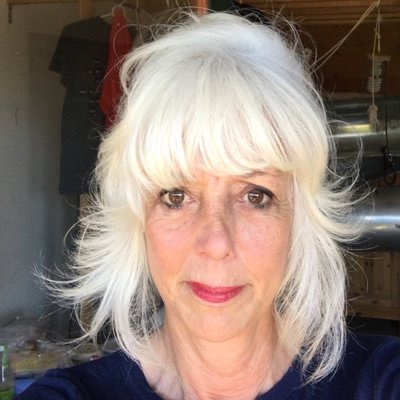
Marla Miller

SweetSpot: Now and Then debuts FALL, 2024. Marla can be reached through her social media sites and/or marketingthemuse@gmail.com

https://linktr.ee/Writersmama

MarlaMiller.com 

TikTok Twitter & Instagram:@writersmama

Medium

Facebook: Hooking Readers

Substack: writersmamasubstack

The Hidden Gems of the Publishing World: Why Indie Publishers Might Be Your Best Bet

The Hidden Gems of the Publishing World: Why Indie Publishers Might Be Your Best Bet

By Torina Kingsley

In the ever-evolving publishing industry, authors have more choices than ever before. One option that has gained significant traction recently is working with an indie publisher. Independent publishers, often smaller than their traditional counterparts, offer a range of benefits that can make them a great option for lots of authors. Whether you’re a first-time writer or a seasoned author looking for a more personalized experience, an indie publisher might be the perfect fit.

Here’s why indie publishers are great:

1. Niches Don’t Scare Them

One of the most significant advantages of working with an indie publisher is the level of creative control you retain over your work. Unlike traditional publishers, who may ask for changes to make a book more commercially viable in the wide marketplace, indie publishers aren’t afraid of niches. Books that might be overlooked by larger publishers due to their niche appeal often find a passionate audience when published by an indie publisher with expertise in that area.

Many authors who’ve partnered with indie publishers have praised the freedom to maintain the integrity of their story, especially when it comes to niche genres or unconventional narratives.

If your book caters to a specific niche or a less mainstream audience, an indie publisher might be better equipped to market your work effectively. Indie publishers often specialize in particular genres or market segments, allowing them to target and reach the right readers more effectively.

2. You’re Not Just a Number

Indie publishers typically work with a smaller number of authors, which means you’re more likely to receive personalized attention throughout the publishing process. From editorial feedback to marketing support, indie publishers often provide a more tailored experience.

Authors frequently cite the close working relationship with their indie publisher as a key factor in their book’s success.

3. Faster Turnaround Times

The traditional publishing route can be notoriously slow, with timelines stretching from months to even years before a book sees the light of day. Indie publishers, on the other hand, are often able to move more quickly, getting your book to market faster.

Many indie publishers operate with streamlined processes, allowing for quicker decision-making and fewer bureaucratic delays. This efficiency can be particularly beneficial if your book is time-sensitive or if you’re eager to start building your author brand.

4. More Author-Friendly Terms

Indie publishers often offer more flexible and author-friendly contracts compared to traditional publishing houses. This might include better royalty rates, shorter contract terms, and the ability to retain certain rights to your work, such as audio or foreign rights.

Indie Publisher vs. Vanity Press: How to Tell the Difference

Not all publishers are created equal, and it’s important to understand the difference between an indie publisher and a vanity press.

What is an Indie Publisher?

An indie publisher, short for independent publisher, is a small, often niche-focused publishing house that operates independently of the major publishing conglomerates. Indie publishers typically offer traditional publishing contracts, meaning they don’t charge authors to publish their work. Instead, they invest in the production, marketing, and distribution of the book, earning their profit from book sales.

  • Key Characteristics:
    • No Upfront Costs: Indie publishers do not charge authors to publish their books.
    • Editorial Support: They provide professional editing, cover design, and other services as part of the publishing process.
    • Revenue Sharing: Authors typically receive royalties from book sales, and the publisher covers the production costs.

What is a Vanity Press?

A vanity press, on the other hand, is a company that charges authors to publish their books. Unlike indie publishers, vanity presses often make their profit from the fees paid by authors, rather than from book sales. While vanity presses may offer similar services to indie publishers—such as editing, cover design, and marketing—these services come at a cost, often with no guarantee of quality or distribution.

  • Key Characteristics:
    • Upfront Fees: Vanity presses require authors to pay for the publishing process, often with significant costs involved.
    • Limited Distribution: Books published by vanity presses may not have the same reach or distribution as those published by traditional or indie publishers.
    • Quality Concerns: Since vanity presses make their money from authors rather than book sales, there may be less incentive to ensure the book’s success in the market.

How to Tell the Difference:

To distinguish between an indie publisher and a vanity press, pay attention to the submission process and the financial arrangements.

  • Submission Process: Indie publishers typically have a selective submission process and do not require any payment from the author. Vanity presses, however, often accept all manuscripts—provided the author is willing to pay.
  • Contract Terms: Review the contract carefully. Indie publishers offer traditional contracts with royalties paid from book sales. Vanity presses, on the other hand, will likely include fees for services like editing, design, or marketing.
  • Reputation and Reviews: Research the publisher’s reputation within the industry. Indie publishers often have a track record of producing quality books and supporting their authors. Vanity presses may have mixed or negative reviews, particularly regarding the value of the services provided.

Do You Need a Literary Agent to Work with an Indie Publisher?

One of the first questions many authors ask when considering publishing options is whether they need a literary agent to work with an indie publisher. The answer isn’t always straightforward and largely depends on the specific publisher and your own goals.

When a Literary Agent is Beneficial:

While it’s true that many indie publishers accept direct submissions from authors, there are still benefits to having a literary agent. An agent can help negotiate the best possible contract terms, ensuring you retain valuable rights and receive favorable royalties. Additionally, agents bring industry expertise and connections that can open doors to marketing and promotional opportunities you might not access on your own. If you’re new to publishing or unsure about the nuances of publishing contracts, having an agent can provide peace of mind and ensure you’re not missing any key opportunities.

When You Might Not Need an Agent:

Many indie publishers pride themselves on being accessible to authors without representation, offering straightforward contracts that don’t require extensive negotiation. If you’re confident in your ability to evaluate a contract or if you’re working with a smaller press that offers fair and transparent terms, you might choose to go it alone.

Having a literary agent has advantages, but it’s not always necessary when working with an indie publisher. Evaluate your own comfort level with contract negotiations and consider the specific publisher’s reputation and submission process before deciding whether to seek representation.

While there’s no one-size-fits-all answer to the question of how to publish, the benefits of working with an indie publisher are clear. From retaining creative control to enjoying personalized attention and flexible contracts, indie publishers offer a compelling alternative to the traditional publishing route. If you’re looking for a partner who values your vision and is committed to your success, an indie publisher might just be the perfect choice.

Torina Kingsley has always dreamed of becoming a published writer. By the time high school came around, her mind was swirling with tales ready to be told. She finds inspiration for her stories from viewing things from a different perspective, including THE KING’S DECREE, a spin on the well-known Russian folktale, The Princess Who Never Laughed.

Kingsley believes that a great story needs to be relatable and completely captivating, dropping the reader into a whole new world. When she isn’t writing thought-provoking and socially conscious young adult stories, Kingsley teaches music and loves working with her students. She lives with her husband, two kids, and two rescue dogs in the Chicago area where she enjoys reading and spending time with her family.

An Interview with K.M. King

An Interview with K.M. King

By Bruce Buchanan

K.M. King has worn many hats—she’s been a journalist, a teacher, a business owner, a corporate trainer, a student of history, and a member of the U.S. Army.

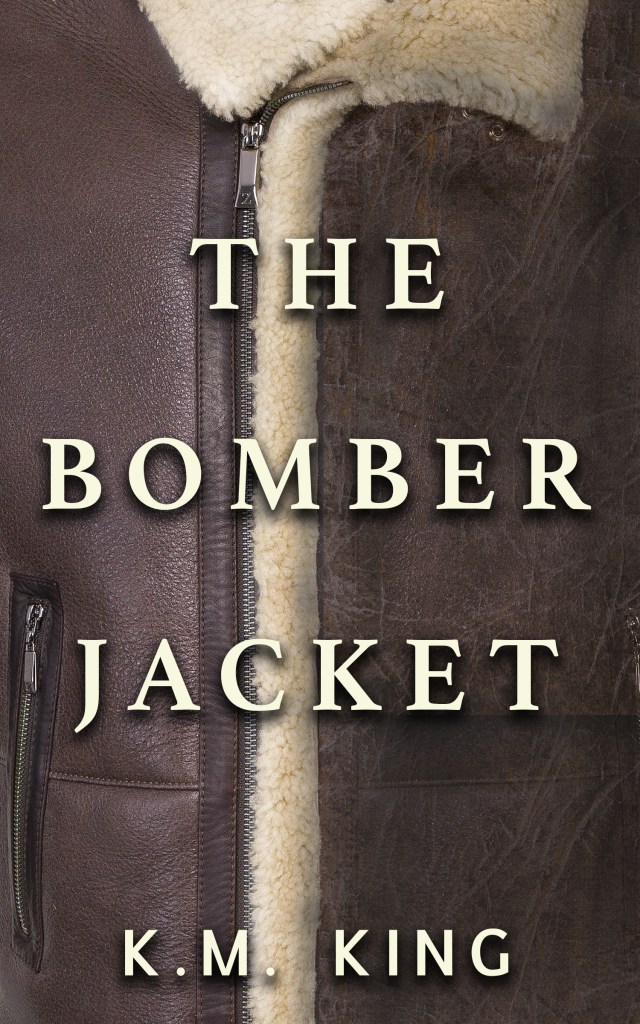
She recently added one more line to her already impressive resume—Wild Ink author. Her novel The Bomber Jacket will be released on Aug. 20, 2024.

K.M. King has worn many hats—she’s been a journalist, a teacher, a business owner, a corporate trainer, a student of history, and a member of the U.S. Army.

When an American college student buys a World War II vintage bomber jacket, it sends here on a search to learn more about its original owner. Along the way, the veil between past and present becomes ever thinner.

You’ve said you fell in love with reading at a young age. Did that also extend to writing?

I always loved reading stories and creating stories in my head. The first writing I remember doing outside of schoolwork was in the little pink diary I got as a Christmas present in fourth grade. All through school, I was involved in writing for our school papers and was editor of our high school newspaper in my senior year. I loved all the writing assignments for English class. I had a hard time deciding whether to study English or history in college—history won.

As for writing fiction, that didn’t happen until I was in my mid-twenties. I was taking some business classes at a local college and signed up for a fiction writing class. I wrote a short story and got great feedback from my professor. The rest, as they say, is history.

It sounds like you’ve had some amazing career and life experiences. How have those experiences shaped your writing?

That’s a challenging question to answer. I think for me writing is so ingrained in who I am, I’m not always sure I can parse out what influenced my writing. Every job I’ve had involved writing, whether as a teacher, journalist, non-profit publication specialist, personal coach, or creator of staff development curriculum.

I’m essentially an introvert—like a lot of writers—and very self-reflective. I almost minored in philosophy in college. My journal, which I’ve kept from my early thirties, provides a space for me to ponder the inexplicable mysteries of life. I think I ponder those same mysteries in my fiction, through my characters, hoping they’ll give me the answers I haven’t found elsewhere.

How did the idea for The Bomber Jacket come to you?

I’ve always been fascinated by flying. Probably should have joined the Air Force instead of the Army! When I was stationed in Frankfurt, Germany, I used to go to the Frankfurt Airport and watch the planes come and go. Something about that planted the seed of a story about a pilot.

In 1997 and 2004, my husband and I took trips to Scotland, and among the places we visited was Drem Aerodrome, a former Royal Air Force base near Edinburgh. That seed, which lay dormant for more than two decades, sprouted into a Scottish bomber pilot from World War II. I began reading extensively about the RAF, and the characters crystallized during a trip to Scotland in 2011 with our oldest granddaughter, Zoe, who was 11 at the time.

I’m also interested in the idea that the veil between the past and present could be very thin. Spirits and ghosts have always fascinated me, and the possibility that spirits linger among us until they’ve completed whatever unfinished business holds them here helped shape the novel.

I am documenting the whole process of writing The Bomber Jacket on my website: www.kmkingauthor.com.

Were you interested in World War II history before you started this book?

Yes, definitely, both because I was a history major, and my father served in the Army in World War II. Like many of his generation, he never spoke about his experiences, except for a few succinct statements here and there when he was older. I’ve been reading World War II fiction and non-fiction for years and share my enthusiasm for history of all eras with my husband.

You’ve written other novels. What has been your biggest challenge in writing? And how did you ultimately overcome it?

I think my biggest challenge is I don’t just write in only one genre. I started writing novels in the early 1990s—a series of young adult fantasy books. Wild Ink is publishing the first of them, Jenna’s Journey: The Bronze Key in January 2025. I wrote The Bomber Jacket next; it’s World War II fiction.

I’m currently working on a three-book rom-com series with fantasy elements. I also have a mother-daughter generational story half-finished and the skeleton of an idea for a comic novel about a woman who gets obsessed with K-drama and K-pop. Nothing biographical there at all! 

I’ve yet to overcome this challenge.

My other challenge is imagining my books might attract the interest of a publisher, especially after 45 rejections in attempting to find an agent for The Bomber Jacket, let alone a publisher. I am astounded and incredibly gratified that Wild Ink has seen something worthwhile in my stories.

Getting published was always a dream, not a motivation for writing if that makes any sense at all.

What is your writing process like? And how has it evolved?

I have to say, my process is different for different kinds of books. But for every book, the motivation is the same: I have questions about life, about an experience I’ve had, about someone I’ve known, and I write to find the answers to those questions by giving them to my characters to grapple with. I don’t always like the answers they come up with; sometimes, I’m not even sure what question they are working out in their story. I often discover it when they do, sometimes at the end of the first draft.

With Jenna’s Journey, the story simply appeared, and I wrote it when it did. There were long periods of time when I didn’t work on it, except to edit what I had written. No wonder it took me ten years to write the four books.

With The Bomber Jacket, I did extensive research, character development and plotting, but still the characters sometimes did things I didn’t expect them to. Or the story took an unexpected twist or turn.

For all the books I write, I first tell myself the story. That’s the first, second and third draft. When I am satisfied that my characters have answered my questions, even if I don’t like their answer, then I’m ready to consider sending the story into the world and work with an editor or a writing group to hone it.

What tips would you give to new or aspiring writers?

I still feel like a new and aspiring writer, because every book is a new adventure and has its own unique challenges.

I’ve read and continue to read books on writing. I think some of the advice is awful. One famous writer, who shall remain unnamed, said unless you write every single day, you’re not a writer. Hogwash. Writing is unique to each writer– the process, the purpose, the story to be told. Discover what works for you.

I have learned that very often the first several chapters of a first draft are the backstory—what the writer is telling him/herself about the story. Finding where the story actually begins for the reader can take some work.

Also, work on your book for a while, have at least 75 pages or more written, and then join a writers’ group, but one with serious writers who give valuable and supportive feedback. Or find a developmental editor.

Anything else you want to mention, either about yourself or your novel?

I also teach journaling workshops and have written two workbooks which will soon be available on my website: Pen, Power & Possibilities: A Guided Journaling Experience to Expand the Horizons of Your Life and Time: Tyrant or Treasure: 11 Steps to Embracing Life in All Its Messiness.

Preorder K.M. King’s book, The Bomber Jacket, through Aaron’s Books here.

Interview by Bruce Buchanan

Bruce Buchanan is the communications writer for an international law firm and a former journalist. But he’s been a fan of fantasy and heroic fiction for most of his life. His influences range from the novels of Margaret Weis & Tracy Hickman and Terry Brooks to the Marvel Comics stories of Stan Lee, Jack Kirby, and Steve Ditko. Bruce has short stories appearing in the upcoming Wild Ink Publishing anthologies Tenpenny DreadfulsClio’s Curious Dash Through Time, and UnCensored Ink. He lives in Greensboro, N.C. with his wife, Amy Joyner Buchanan (a blogger and the author of five non-fiction books), and their 17-year-old son, Jackson.

The Facts and Fantasy of ‘Bestselling’ Author

The Facts and Fantasy of ‘Bestselling’ Author

by Marla Miller

Los Angeles author Joe Ide, a frequent speaker at conferences and seminars, is delighted with the success he has enjoyed since selling his first novel, IQ at age fifty-eight, delighted and making no bones about this when he addressed a room filled with writers at a recent Southern California writers conference. Few writers reach the heights of bestselling. Part of the magic motivating us to remain seated at our writing place includes nurturing the fantasy that our stories will someday resonate, too.

The dream of becoming a bestselling author is perfectly fine to dream. After all, at our core, writers are dreamers. But is this why we write stories? For fame and fortune? The answer is no and if chasing fame/fortune provides the only motivation, this segment of writers eventually moves on to other ventures.

Craft vs Business

We write stories because we have to write them and why Joe Ide’s keynote so resonated with me. In his time at the podium, Ide delivered many terrific tips about creating characters from our everyday living, echoing what we know about our tribe: at our core, writers are nosy. I videoed what I could and had to hear more so I attended Ide’s Sunday morning workshop. He did not disappoint. Ide talked craft, the creative side of publishing, co-mingling solid craft ‘pointers’ with the business side of publishing, sales and making money. Again, he pulled no punches, straight talk from his own experience about what bestselling means in terms of dollars and cents.

Defining Publishing ‘Advance’

Joe Ide’s  latest novel, The Goodbye Coast: A Philip Marlowe Novel garnered a six-figure advance. Sweet, right? Absolutely, and Joe wasn’t complaining as he broke down what the six-figure sum meant to his bank account. Some writers, likely those new to our tribe, don’t know that getting an advance from a traditional publisher requires the author to earn back that sum in book sales before seeing any more money from the publisher. Since Ide’s novel centered on a famous person, Raymond Chandler’s ‘Phillip Marlow’ character, permission to use this name came with a price. Raymond Chandler’s estate had to be negotiated with before Ide could publish his novel.  I don’t know what the estate required but when I negotiated with the Women’s National Team to write All American Girls: The US Women’s National Soccer Team (with full access to the team) that sum was 50% of a very nice advance offered by my publisher, Simon & Schuster. Joe Ide pointed out other facts: his agent’s take of 15% as well as Uncle Sam’s portion. All of a sudden, that six figure advance has a bit of a different context in reality.

Why Writers Write

Even before traditional publishing took a pummeling from the arrival of the worldwide web, writers have nurtured fantasies about bestselling books, national book signings, film options, TV interviews and oodles of money. None of these fantastical imaginings are rooted in facts. I share this story often in my workshops, a story told by one of my writing mentors, the founder of the Santa Barbara Writers Conference, Barnaby Conrad, a multi-published, bestselling author in fiction and nonfiction. In the early 1990’s, as we gathered for the opening night SBWC ceremonies, Barney announced that this SBWC session had attracted the greatest number of conferees in its (then) 20-year history. He asked us to look around the packed auditorium brimming with 400 writers and so we did. Then he said, “…At the most, one to three writers sitting here will be offered contracts from New York publishing.”  The audience let out an audible gasp to which he replied, “We write stories because we have to write them.”
Wisdom shared from a man who had enjoyed a storied career himself, Barnaby Conrad.

So, write on. That’s what we writers do.

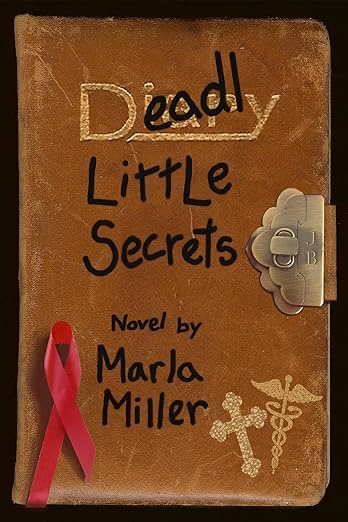
Marla Miller segued to the writing life in midlife. Her writing credits includes editor-in-chief of a lifestyle magazine and books published by traditional and independent publishers. Her e-novel, Deadly Little Secrets is available on KDP. Her novel, SweetSpot: Now and Then, whose setting includes a writers’ conference, will be published by an independent press in Fall 2024.  Since 2003, she has delivered workshops at The Santa Barbara Writers Conference and The Southern California Writers Conference.

Where to find Marla Miller:

https://linktr.ee/Writersmama

MarlaMiller.com 

TikTok Twitter & Instagram:@writersmama

Medium

Facebook: Hooking Readers

Substack: writersmamasubstack

Amazon Author Page: https://bit.ly/4avJTRX

A Court of Pen and Pain

A Court of Pen and Pain

By J.K. Raymond

Within the World of Creativity, there are realms that are delegated to each of the arts. Each realm is there to ensure their designated art lives on. In The Realm of Writing, there is one goal. To fill The Library of Knowledge with new works. To ensure success is achieved each potential writer is bestowed special gifts at birth. Three enchanted candles are gifted by the fates, each candle equally important. The Candle of Creativity, The Candle of Passion, and The Candle of Ability. Guaranteeing that muses be drawn by its curious glow, that lurking shadows of half-heartedness be scattered by its brilliance, and that the shades cast by demons of disease be to reduced gradient piles of harmless ash. Thus, ensuring each writer has the best possible chance to add to the knowledge that came before them. But the fates are just as cruel as they are benevolent. 

For reasons they will not reveal, the fates also released a curse on a small number of the third candles. Placing them directly in the path of never-ending storms, eternally challenging the enchanted fires atop them. Leaving The cursed Candles of Ability to spit and flicker in a constant battle to glow as bright as the matching pair beside it. Often wavering before fading to black for days, months, or years at a time. Forcing those rendered with it to live out their lives in sporadic shadows it creates. Those born with it left wondering who they could have become and what they could have created if only they were able. Those forced to accept that their third candle, once constant and true, was cursed in their prime, must live out the rest of their days in the shadows of creations they once made, but never will again. Both cursed, both left wondering, “Why?” 

In the farthest corner of the realm lies the darkest court. The Court of Pen and Pain. Every member from King and Queen to merchant and peasant are the recipient of an inconstant Candle of Ability. A court cursed. Where demons of disease lurk in the shadows left by the absence of a healthy glow. Stealing breath, sometimes for a moment, a minute, or in the blackest of times, forever. Inflicting pain, sometimes for a second, an hour or sometimes an eternity. They lay in wait and creep up slow. They strike with a titan’s blow or a phantom’s kiss.  

Existing in The Realm of Writing means you were born into The World of Creativity. This is a difficult enough calling, even under the best circumstances.  Attempting to wield the pen is a harrowing notion. Success is rare. Hence, the gifts. In The Court of Pen and Pain members exist in a realm where the circumstances are more than harrowing, they are dire. Writers of this court must learn to wield the pen in one hand and the sword in the other.  Fighting demons while weaving tales to enlighten or entertain under impossible conditions. Failure is not an option. Being born into The World of Creativity means you must create. It is a calling, and it is relentless. A call unanswered will tear at your mind, shame your soul, or both until there is little left of either. 

No one in The Realm of Writing is guaranteed a place in The Library of Knowledge. The exalted position of Author must be earned. Even writers who deserve to be acknowledged formally will not necessarily make the cut for one reason or another.  Nepotism, bad timing, politics, feuds, or just plain bad luck can leave piles of worthy material unbound and unshelved. The same standards for those with all three candles burning bright, apply to those of The Court of Pen and Pain. Fairness is not guaranteed anywhere in The Realm of Writing. If your work is going to rest bound in leather for all time in The Library of Knowledge, it must be equivalent in quality to the works shelved on either side of it. Exceptions are not made for works written by a body wracked in pain. Slaying demons in the dark while writing work equivalent to those who’ve done nothing of the sort holds no merit here. To be a writer at The Court of Pen and Pain you must be a warrior first and a writer second. To become an Author acknowledged by The Library of Knowledge, you must be both at the same time, and you must be relentless on both fronts. Once you are signed on as an official Author of the Library of Knowledge you belong to it and it belongs to every world, not just The World of Creativity. Author is the most coveted position within one of the most wicked of callings. Now a writer will answer not only creativity’s call but will also answer the call to defend their name. A name now written in permanent ink at the bottom of contracts which have now come into play. Contracts with due dates that do not care if the Author is battling a chimera of diseases. Nor does the chimera of diseases care about the contracted due date, the relentless calling, or defending a good name. The only one who cares is the Author. The days of choosing to write only when the chimera is weakened, perhaps even blessedly knocked out for a few peaceful hours, are over. So, it’s a good thing the fates weren’t done. 

All of the Worlds have their complications. Any human, from any world, be it the arts or stems, will undoubtedly face a myriad of overwhelming problems during their lifespan. The fates don’t just play with the humans of The World of Creativity. They are equal opportunity stirrers of the providential pot.  So, to ensure the success of humans and their contributions to their fellow man the fates once again bestowed a gift.  Upon their birth each human in every world is gifted a kernel of willpower. The kernel resides inside the soul of each human. This gift becomes part of the them and bonds with the body and the soul it was placed in. When the body hits a tipping point it trips a switch activating the kernel like a backup generator would when the main source of power is not enough for the load pulling on it. When the switch is flipped a steady stream of willpower flows into the body giving the drained human enough power to overcome the adversity that flipped the switch. The body and soul then continue to draw strength from the additional source until it is no longer needed. When the crisis is over the switch flips again and the additional source of power is cut off. The body and soul reverting back to its natural state.  

The body and souls’ ability to flip the switch can start at an early age. Leaving many humans to be described as weak willed or strong willed from the earliest points of their development. Which in some cases is true, but either way is usually determined way too early in the stages of development for it to hold true. In order for the kernel to survive in a soul and body that grows, the kernel was designed to do the same. Sometimes those with weak wills in their youth end up with strong wills at maturity and sometimes vice versa, while for others their willpower will stay constant and true the whole of their lives. What few ever figure out is that while all of this is true, it is also true that willpower cannot be used for an indefinite period of time, well…it was never intended to be able to be used that way. Remember, the fates are as benevolent as they are short sighted. 

It turns out the more you use the kernel of willpower the stronger it gets, the stronger it gets the easier it is to tap into. Which is one of the few things that bodes well for those who spend the whole of their lives surrounded by monsters that strike with little to no warning, shredding their bodies and scaring their minds. The constant battle with pain of one kind or another creates a sort of willpower loophole. As you can imagine writing under these circumstances causes the switch to flip pulling on backup power more often and for longer periods of time than was ever intended. And this is how those deemed Author of the Court of Pen and Pain meet their deadlines and defend their good name. When the kernel is pulled on too often it begins to spark. Lighting up the darkness left by the cursed Candle of Ability, replacing it with the power of Sheer Will. And though the loophole exists, just knowing about it and how it’s utilized isn’t enough to harness it. That kind of magic must be earned through battle and strength, patience, and humility. Commitment and dedication. Within the Realm of Writing only the Authors of The Court of Pen and Pain have earned the magic necessary to harness the loophole. A lifetime of pain trained their brains to identify, organize, then isolate chaos. A lifetime of pulling on willpower making it stronger. The mastery of the combination of both has the power to elevate them to a state that would otherwise be impossible to achieve. Fleeting, yes. But for a moment in time a bridge is built between a barely there existence and endless possibilities. Remember, as Miracle Max once said, “Mostly dead is slightly alive.” And so it is, through the magic of sheer will, creativity is born, written, and completed on time by a person who is only mostly dead. Recorded for all time in the Library of Knowledge. Leaving the Authors of the Court of Pen and Pain with their good name and the honor of writing, “The End.”   

Before they begin again. 

J.K. Raymond received her Bachelor of Arts in 1995 from Fontbonne University where she fell in love with everything in St. Louis-and under it.

J.K. also has the most amazing safety net in her tiny world, which

selflessly helps her to continually heal. Her husband of twenty years,

Matt Houser, her two sons, Aidan and Jace, her mother, JoAnn, and her

grumble of pugs, Lollie, RueRue, and TukTuk.

Find J.K.’s Book, Infinite Mass, anywhere books are sold online.

Meet Your Heroes!

Meet Your Heroes!

by Greg Jones

I’ve heard it said to “never meet your heroes.” However, there are certain people who impact your life in such a profound way that it would be a disservice to yourself and to them if you didn’t seek them out when possible to have the chance to maybe engage on a more personal level. I personally believe, in this ever-distancing world, that these encounters are more important now than ever.

A literary hero might be the most elusive of all.

I had the good fortune of meeting Clive Barker at a Harry Schwartz bookshop in Milwaukee about 20 years ago. It, to this day, plays on repeat on the highlight reel of my life.

To say he is a major influence in my life is a vast understatement. At 14, when I first read his short horror fiction, I knew this was something unique and special. His writing brought poetry and elegance to a genre that was sorely lacking in those qualities up to that point. It has influenced and inspired my art and my writing ever since.

To those not familiar with Mr. Barker, he was very prolific in the 80’s and 90’s, moving from horror to dark fantasy to full adult fantasy novels. In 2012 he fell into a coma after a dental procedure left him battling toxic shock syndrome, which has affected his health ever since. He recently posted that he would be doing a handful of personal appearances throughout 2024 and then focusing entirely on various unfinished projects.

This news came the same evening as my final cover reveal for my upcoming horror poetry collection from Wild Ink. I learned that he would be coming to Chicago at the end of March and I made arrangements to make the trip.  

I arrived at the convention center with a framed photo of the two of us from that first Milwaukee meeting as well as a binder containing a selection of my strongest poems, a copy of the cover art for my book and an emotional letter explaining what a profound effect he has had in my life. Two hours later we would meet for the second and, most likely, last time.

He shook my hand and said ‘’Hello” and I was taken aback at the frail man before me. It was emotional to say the least.

I showed him the photo of the two of us and he commented how we were both “children” back then. We reminisced on the picture and then I asked him if I could give him something. I handed him the folder and told him about the pending publication and that it would not even exist if it weren’t for him. I could see he was affected by this and he shook my hand again.

He leafed through the pages and asked me how long I had been writing poetry and “why” I had started writing. Again I told him “because of you.” He said he was honored and actually asked ME to autograph the sampling for him. I was astounded. It was surreal as I signed my name to a dedication to him!

He asked my wife if she was proud then asked her if “I” was proud, to which we both responded, absolutely. He ended by saying what a huge accomplishment this was. Before I left I shook his hand again and told him my contact information was included inside and if he ever felt the urge to send along any words of encouragement or advice I would be forever grateful.

I left deeply moved and affected and filled with many feelings. Validation, pride, hope, and a bittersweet sadness knowing this might be the last time I ever speak to him. It was a complete full circle moment for me and I am beyond grateful for his words and attention and just for being the genuinely decent human being I remember from 20 years before. I hope on some level it meant as much to him as it did to me.

I have been fortunate enough over the years to meet or have interactions with many of the people I look up to and respect. It is a gift to share these moments with individuals who have moved or inspired you and I would encourage anyone to take that chance if it presents itself.


Born in 1970, I grew up,  in my opinion, in the pinnacle of all things. The best films, music, comic books and those fantastic 80’s horror novels. No matter where my mind wandered it eventually found it’s way back to something with a monster in it. I spent my adolescence hunched over a drawing table, occasionally writing and living my life in pursuit of personal creative goals. In my current role at the local library I am surrounded by books all day and inspired daily to keep creating my horror inspired poetry.

“Meet Me in the Flames” is my first published work and I am diligently scribbling away on a new poetry collection as well as a series of short stories.

When not reading, writing or working on some kind of art you can find me listening to old country records, watching anything remotely creepy or traveling the globe in search of the perfect mountain sunset.

I live in Wisconsin with my loving wife of 30 years and my three amazing daughters all of whom contribute to my writing with editing skills and strong stomachs.

Don’t Quit Your Day Job (and Why That’s a Good Thing!)

Don’t Quit Your Day Job (and Why That’s a Good Thing!)

By Bruce Buchanan

Making full-time living writing fiction is living the dream—but for most authors (even ones with book deals), being a writer means working a day job. 

If you are one of those writers, you are in good company. Octavia Butler wrote by night and punched the clock at a potato chip factory by day. T.S. Eliot worked at a bank, even after publishing “The Wasteland.” Charlotte Brontë served as a governess to wealthy British families; her experiences in this job helped her write Jane Eyre.

When I’m not clicking away at the keyboard on my next YA fantasy book, I’m…clicking away at the keyboard in the corporate communications realm. Like many other colleagues, I chose a career that allows me to use my writing skills, albeit in ways that don’t involve a magic-using princess or a blacksmith’s heroic son. I know writers who are English, writing and drama teachers (both on the high school and collegiate levels), librarians, editors, and journalists.

But plenty of other fiction authors have day jobs that don’t focus on writing or literature. One author friend manages a medical facility, putting her master’s degree in healthcare administration to good use. Another author I know recently retired as a funeral director and now is the office manager for her family’s small business. And one talented horror writer I’ve met delivers online orders from restaurants. She keeps a notebook in her car so she can write between deliveries. 

Balancing any job with a writing career requires strong time management skills, though. Conquest Publishing novelist S.E. Reed recently gave a great presentation on “Tips for Busy Writers” at the Writer’s Workout Virtual Conference. S.E. juggles a full-time career, three school-age kids, and a flourishing writing career, and she shares some best practices on how writers can manage their time.

My personal tip is to carve out a short amount of time every day for writing. I do a 20-minute daily writing sprint. This means no social media, no TV, no distractions—just head-down writing for 20 minutes minimum. You’ll be surprised at how much you can get done in an intensive burst if you eliminate distractions! 

Once you figure out how to balance your work with your writing, there’s a big upside in having a day job. Writing gets to be your passion project—the thing that you love to do. You can write what you want when you want to write it. 

Obviously, if you are working with a publishing company, you must keep their deadlines and commercial considerations in mind. But it is liberating to know your next meal or your family’s mortgage payment doesn’t depend on writing a story. Even the best jobs invariably become responsibilities (as one colleague put it, “It’s why they call it ‘work.’”) Writing doesn’t have to be that way—it can remain something that brings you joy.

I’ll give the last word to Kurt Vonnegut, who sold cars in addition to writing some of the most enduring works of the 20th Century:

“Practice any art, music, singing, dancing, acting, drawing, painting, sculpting, poetry, fiction, essays, reportage, no matter how well or badly, not to get money and fame, but to experience becoming, to find out what’s inside you, to make your soul grow.”

Bruce Buchanan is the senior communications writer for an international law firm by day. His debut YA fantasy novel, THE BLACKSMITH’S BOY, is coming soon from Wild Ink Publishing. A longtime lover of fantasy and heroic fiction, he lives in Greensboro, N.C. with his wife, Amy, and their 17-year-old son, Jackson. Follow him at @BBuchananWomble and @brucebuchanan7710.

From BookTok to Bookshelf: How a TikTok Ban Spells Trouble for Readers and Publishers Everywhere

From BookTok to Bookshelf: How a TikTok Ban Spells Trouble for Readers and Publishers Everywhere

by Amelia MacKinnon

The indie book publishing industry has been steadily growing in recent years, with a significant impact on the literary landscape. According to industry reports, the annual revenue of the indie book publishing sector surpassed $2 billion in the most recent fiscal year.

This remarkable figure underscores the increasing influence and viability of independent publishers in the competitive market.

Indie publishers often champion diverse voices and niche genres that may not receive as much attention from larger publishing houses, contributing to a vibrant and inclusive literary ecosystem. As such, understanding how a potential TikTok ban could affect this dynamic industry is crucial for assessing its broader implications for readers, authors, and publishers alike.

But hold up, because this ban could have some serious ripple effects, especially in an unexpected corner—the global book publishing industry.

Let’s break it down. TikTok isn’t just about dances and memes anymore. It’s become a powerhouse for book recommendations and literary discussions.

You’ve got bookish creators with millions of followers, sharing their favorite reads and sparking conversations that lead to actual book sales. Take BookTok, for instance—a vibrant community where readers share their love for everything from fantasy epics to romance novels.

Now, imagine if all that vanished overnight. Poof! No more BookTok. No more viral book recommendations reaching millions of potential readers. Suddenly, authors and publishers are left scrambling to find new ways to connect with audiences.

TikTok’s unique format and algorithm have proven to be particularly effective in boosting book sales for authors compared to other social media platforms like Facebook, Instagram, and Goodreads. Unlike traditional platforms where users primarily engage with static images or lengthy posts, TikTok’s short-form video format allows for quick, engaging content that captures users’ attention in mere seconds.

This makes it easier for authors to showcase their personalities, share book recommendations, and connect with readers on a more personal level.

Additionally, TikTok’s algorithm is designed to promote content based on user interests rather than follower count, giving even lesser-known authors a chance to reach a wider audience.

As a result, books recommended on TikTok often experience a rapid increase in sales, outperforming promotions on other platforms where content can easily get lost in the noise. The viral nature of TikTok further amplifies the reach of book recommendations, creating a snowball effect that can lead to exponential growth in sales and visibility for authors.

But it’s not just about losing a platform for promotion. TikTok has been a game-changer for discovering diverse voices and niche genres. Think about the surge in interest in poetry, thanks to poets sharing their work in short, captivating videos. Without TikTok, these voices risk being drowned out in a sea of mainstream content.

And let’s talk numbers for a second. TikTok has over 100 million monthly active users in the U.S. alone. That’s a massive pool of potential readers. If even a fraction of those users were influenced by BookTok to buy just one book a month, you’re looking at a significant boost for the publishing industry.

But with a ban looming, publishers might need to rethink their marketing strategies. They’ll have to pivot away from TikTok and find new ways to engage with readers. Maybe they’ll invest more in other social media platforms or explore partnerships with influencers on different platforms. Either way, it’s going to shake things up.

One notable example is Abigail Hing Wen, the author of “Loveboat, Taipei.” Her novel gained significant traction on BookTok, leading to increased sales and visibility.

Loveboat, Taipei Hardcover – January 7, 2020

“Loveboat, Taipei” is a young adult novel that follows the story of Ever Wong, who is sent to Taiwan to study Mandarin for the summer but ends up experiencing love, adventure, and self-discovery. The book resonated strongly with BookTok users, who praised its diverse characters, engaging plot, and exploration of identity and culture.

As BookTok users shared their enthusiasm for “Loveboat, Taipei” through videos and recommendations, the novel gained momentum within the platform’s community. This surge in interest translated into increased sales and recognition for Abigail Hing Wen, propelling her book onto bestseller lists and garnering widespread acclaim.

Abigail Hing Wen’s experience serves as a real-life example of how BookTok can significantly impact an author’s career, leading to greater visibility, book sales, and ultimately, success in the publishing industry.

While a TikTok ban may initially seem like a routine political decision, its ramifications extend far beyond mere community-building activities. Its effects could potentially reshape the landscape of book discovery, sharing, and celebration on a global scale.Report this

It’s Easy to Lose Yourself in Love

It’s Easy to Lose Yourself in Love

In honor of Valentine’s Day, the author’s of Wild Ink Publishing and Conquest Publishing were given a little 24-hour challenge. Write about that all consuming, one human emotion that rises above the rest, thing that drives us all forward. Love. The challenge was simple enough… use your choice of three short forms; a mini-saga, 6-line free verse, or a mini-essay.

We were blown away by the response in such a short amount of time. And tonight, we would like to present to you, why it’s so easy to lose yourself in love, with the first annual 24-hour Valentine’s Day writing challenge.

Photo by Loe Moshkovska on Pexels.com

Old Love

Abigail Wild

Staring at the box of chocolates propped against the vase of roses that will wilt and die. 

He snores.

I stare harder at the thorns that will prick, 

and the chocolate that will melt on my fingertips, 

as his apnea replaces sweet nothings. My true love. 

Love Does Not Hold Captives

Melanie Mar

As Asha looked out her window, she wondered if the man who locked her in regretted it. Did he know that she counted the seconds until he appeared again? She wished she could tell him the locksmith showed her a way out—and that he deserved freedom from himself as well.

My Love and Me 

Kylie Wiggins

I want a love of the ages,

one that is scrawled within pages.

I want my romance to be a muse,

one that sends the heart aching like a bruise.

We will go down in history,

my love and me.

My Sweet Valentine

Magdalene Dietchka

Their hands were still intertwined. She’d left an hour ago. Her roses sat beside the bed, their beauty unaware that sixty-three years had faded into the most recent of memories. He brushed her hair from her peaceful face. The last words she heard were, “I love you, my sweet Valentine.”

A Moment in Time

Amy Nielsen 

I cradled my days-old newborn son on the couch. My husband snuggled next to us. “These moments,” I said, “The ones that aren’t significant, these are the ones we forget.” He kissed the top of our son’s head. I then knew I’d remember. And I did.

My Only Valentine Brought Me French Fries

Abigail F. Taylor

A single, bright rose stuck out of the greasy paper sack.

I had to work late and was on my period.

I didn’t have to ask. Still he understood

that what I needed then was not a grand gesture

but a singular moment that whispered ‘I see you’.

Rose-Colored Lenses

Brianne Córdova

Love is patient, love is kind,

but above all else, love is blind. 

Broken bones, broken skin— 

wouldn’t be so if you’d listened.

He sent some flowers, apologized. 

“I just got so mad. You know I love you, right?”

Love is Fickle

Brittany McMunn

Love is but a fickle thing, the most volatile of all the emotions. Samson knew of Delilah’s betrayal, but his heart remained true. He stood with pride in the frigid, desert night as it was a strength to love another despite their flaws, not a weakness.

Just Say NO to V-Day

Haddessah Anne Brice

I simply do not understand why anyone would want to celebrate the anniversary of both the brutal murder of the man in the third century that the day is named for and the bloody execution of seven men by the American mob in the 1920s as the day to excessively dote on someone you supposedly love.

So why do we let society make us feel incomplete as people if we aren’t coupled to another person romantically on this one day above all others? Shouldn’t we strive to express our love for others just as much every other day of the year? 

Please let’s start treating our fellow humans with all the love, and turn Valentine’s Day into Halloween #2!

Pink Grinch

Rebecca Minelga

They say Halloween is the Devil’s day, and he may come out to party on All Hallow’s Eve, but he’s a sneaky one, and I think he does his dirtiest work on Valentine’s Day. Breaking promises and bank accounts, coercing sex, forcing proposals. Fitting a year’s worth of love into a single day like checking off a to-do list, a transaction in place of a relationship. No diamond jewelry, candy hearts, or chocolate boxes for me, please. If it doesn’t include a gruesome and bloody beheading, I’m not here for it.

Two Dimensional 

Jessica Salina

Stars twinkled above the castle. Tucking a strand of hair behind a pointed ear, the elf looked at the satyr beside him. Pale, sweet-smelling flowers bloomed at her feet.

“What an adventure,” he said. “I’ve come to love you.”

Then, a meow. I paused the game to feed my cat.

Just Say Yes

S.E. Reed

Your lips, red wine. You throw your head back and laugh at my bad jokes. My heart, red flesh. You grab my beard and pull me closer to your face. Our kiss, red hot. You whisper, never leave me baby, and I promise you I never will. Our love story.